Buy pernitz.co.at ?
We are moving the project
pernitz.co.at .
Are you interested in purchasing the domain
pernitz.co.at ?
domain@kv-gmbh.de · 0541-91531010
Buy pernitz.co.at ?
Where can one find clay in nature?
Clay can be found in nature in various locations such as riverbanks, lakeshores, and areas with high levels of erosion. It is formed from the weathering and breakdown of rocks containing minerals like feldspar and mica. Clay deposits can also be found in areas where volcanic ash has settled and compacted over time. **
What is clay soap?
Clay soap is a type of soap that contains clay as one of its main ingredients. The clay used in these soaps is typically bentonite, kaolin, or French green clay, which are known for their detoxifying and exfoliating properties. Clay soap is often used to cleanse and purify the skin, as the clay helps to draw out impurities and excess oil. Additionally, the exfoliating properties of clay can help to remove dead skin cells, leaving the skin feeling smooth and refreshed. **
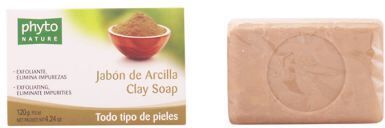

Similar search terms for Phyto-Nature-Clay-Soap
Top-Angebote
Products related to Phyto-Nature-Clay-Soap:
-
Luxana Phyto Nature Aloe Vera Soap 120 gr 120 grHealth and Beauty Corporal hygiene Luxana Phyto Nature Aloe Vera Soap 120 gr 120 gr Its natural ingredients help a deep and delicate cleansing of the skin, with extracts of aloe vera for a better skin texture.3,06 £*Shipping: 3,99 £Secure redirect to the provider
-
Phyto Nature Tea Tree School Shampoo 400 mlHealth and Beauty Shampoos Phyto Nature Tea Tree School Shampoo 400 ml Shampoo based on natural principles such as Tea Tree and Citronella, which provide protective and preventive properties. Use Apply to wet hair. Give a gentle massage and rinse.4,39 £*Shipping: 3,99 £Secure redirect to the provider



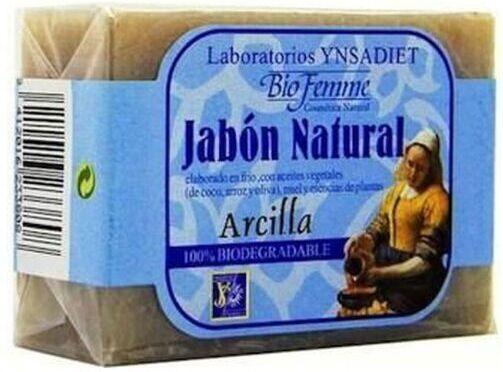
-
Which hobbies involve being outdoors in nature?
Hobbies that involve being outdoors in nature include hiking, birdwatching, gardening, camping, fishing, and photography. These activities allow individuals to connect with the natural world, breathe in fresh air, and enjoy the beauty of the outdoors. Engaging in these hobbies can also provide physical and mental health benefits, such as reducing stress and increasing physical activity. **
-
What is the constructive nature of history?
The constructive nature of history refers to the way in which our understanding and interpretation of historical events and figures can shape our present and future. By studying history, we can learn from past mistakes and successes, and use that knowledge to build a better future. History also helps us understand the complexities of human societies and the interconnectedness of different cultures and civilizations. Ultimately, the constructive nature of history lies in its ability to provide valuable lessons and insights that can inform our decisions and actions in the present and future. **
-
Why is it actually called Mother Nature and not Father Nature or Human Nature?
The term "Mother Nature" likely originated from ancient cultures that personified nature as a nurturing and life-giving force, similar to the role of a mother. This concept is rooted in the idea of the Earth as a source of sustenance and fertility, which aligns with the nurturing and life-giving qualities traditionally associated with motherhood. Additionally, the association of nature with femininity may also stem from the ancient worship of female deities representing the Earth and fertility. Over time, this association has become deeply ingrained in many cultures and continues to be reflected in the use of the term "Mother Nature." **
-
In which profession do people conduct research outdoors in nature?
People who work as field biologists, ecologists, environmental scientists, geologists, or botanists often conduct research outdoors in nature. These professionals study various aspects of the natural world, such as wildlife, ecosystems, geological formations, or plant life, by collecting data and observations directly from the field. Conducting research outdoors allows them to study the environment in its natural state and gain a deeper understanding of the interactions between living organisms and their surroundings. **

Why do some people not like being outdoors in nature?
Some people may not like being outdoors in nature due to a fear of insects or animals, discomfort with unpredictable weather conditions, or a preference for indoor activities. Others may have physical limitations that make it difficult to navigate outdoor terrain or may simply feel more at ease in urban environments. Additionally, some individuals may have had negative past experiences in nature that have influenced their perception of outdoor spaces. **
In which profession do you conduct research outdoors in nature?
I conduct research outdoors in nature as a field biologist. This profession involves studying various aspects of plants, animals, and ecosystems in their natural habitats. Field biologists often spend extended periods of time in the field, collecting data, observing behaviors, and conducting experiments to better understand the natural world. This hands-on approach to research allows for a deeper appreciation and insight into the complexities of the environment. **
Top-Angebote
Products related to Phyto-Nature-Clay-Soap:
-
Luxana Phyto Nature Aloe Vera Soap 120 gr 120 grHealth and Beauty Corporal hygiene Luxana Phyto Nature Aloe Vera Soap 120 gr 120 gr Its natural ingredients help a deep and delicate cleansing of the skin, with extracts of aloe vera for a better skin texture.3,06 £*Shipping: 3,99 £Secure redirect to the provider
-
Phyto Nature Tea Tree School Shampoo 400 mlHealth and Beauty Shampoos Phyto Nature Tea Tree School Shampoo 400 ml Shampoo based on natural principles such as Tea Tree and Citronella, which provide protective and preventive properties. Use Apply to wet hair. Give a gentle massage and rinse.4,39 £*Shipping: 3,99 £Secure redirect to the provider
-
Where can one find clay in nature?
Clay can be found in nature in various locations such as riverbanks, lakeshores, and areas with high levels of erosion. It is formed from the weathering and breakdown of rocks containing minerals like feldspar and mica. Clay deposits can also be found in areas where volcanic ash has settled and compacted over time. **
-
What is clay soap?
Clay soap is a type of soap that contains clay as one of its main ingredients. The clay used in these soaps is typically bentonite, kaolin, or French green clay, which are known for their detoxifying and exfoliating properties. Clay soap is often used to cleanse and purify the skin, as the clay helps to draw out impurities and excess oil. Additionally, the exfoliating properties of clay can help to remove dead skin cells, leaving the skin feeling smooth and refreshed. **
-
Which hobbies involve being outdoors in nature?
Hobbies that involve being outdoors in nature include hiking, birdwatching, gardening, camping, fishing, and photography. These activities allow individuals to connect with the natural world, breathe in fresh air, and enjoy the beauty of the outdoors. Engaging in these hobbies can also provide physical and mental health benefits, such as reducing stress and increasing physical activity. **
-
What is the constructive nature of history?
The constructive nature of history refers to the way in which our understanding and interpretation of historical events and figures can shape our present and future. By studying history, we can learn from past mistakes and successes, and use that knowledge to build a better future. History also helps us understand the complexities of human societies and the interconnectedness of different cultures and civilizations. Ultimately, the constructive nature of history lies in its ability to provide valuable lessons and insights that can inform our decisions and actions in the present and future. **
Similar search terms for Phyto-Nature-Clay-Soap
-
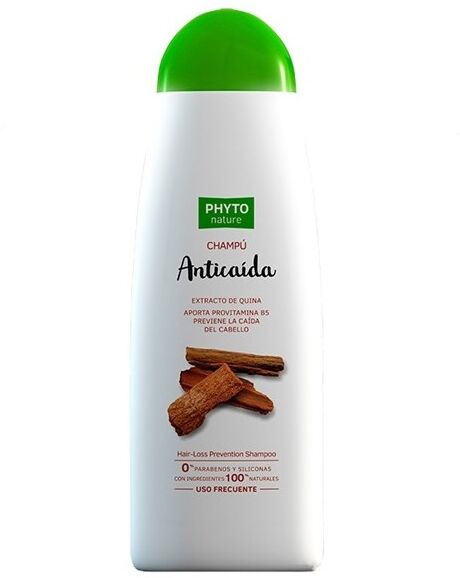
Phyto Nature Hair Loss Shampoo with Quina Extract 400 mlHealth and Beauty Shampoos Phyto Nature Hair Loss Shampoo with Quina Extract 400 ml Hair Loss Shampoo with Quina Extract is especially indicated to stop hair loss as a single treatment or as a complement to other treatments. Specially formulated for use on weak, devitalized hair with a tendency to fall. Also indicated for all types of hair with a preventive nature. Formulated with natural extract of cinchona bark, effective stimulant, with great toning power, and that acts directly on the hair bulb. It also incorporates Provitamin B5 that nourishes the hair from the roots, so that the hair regains its natural strength, shine and vitality. Its mild cleansing base allows frequent use. Container: 400 ml4,69 £*Shipping: 3,99 £Secure redirect to the provider
-
Douce Nature Aleppo soap 12% 200 grHealth and Beauty Corporal hygiene Douce Nature Aleppo soap 12% 200 gr An excellent personal hygiene product, it contains naturally derived ingredients such as vegetable oils that can provide significant benefits for skin care, resulting in softer skin and silky hair. Not tested on animals, specially designed for shower and bath. How to use: - It is recommended to use on hands, body and face. - It manages to pleasantly perfume clothes.5,69 £*Shipping: 3,99 £Secure redirect to the provider
-
Why is it actually called Mother Nature and not Father Nature or Human Nature?
The term "Mother Nature" likely originated from ancient cultures that personified nature as a nurturing and life-giving force, similar to the role of a mother. This concept is rooted in the idea of the Earth as a source of sustenance and fertility, which aligns with the nurturing and life-giving qualities traditionally associated with motherhood. Additionally, the association of nature with femininity may also stem from the ancient worship of female deities representing the Earth and fertility. Over time, this association has become deeply ingrained in many cultures and continues to be reflected in the use of the term "Mother Nature." **
-
In which profession do people conduct research outdoors in nature?
People who work as field biologists, ecologists, environmental scientists, geologists, or botanists often conduct research outdoors in nature. These professionals study various aspects of the natural world, such as wildlife, ecosystems, geological formations, or plant life, by collecting data and observations directly from the field. Conducting research outdoors allows them to study the environment in its natural state and gain a deeper understanding of the interactions between living organisms and their surroundings. **
-
Why do some people not like being outdoors in nature?
Some people may not like being outdoors in nature due to a fear of insects or animals, discomfort with unpredictable weather conditions, or a preference for indoor activities. Others may have physical limitations that make it difficult to navigate outdoor terrain or may simply feel more at ease in urban environments. Additionally, some individuals may have had negative past experiences in nature that have influenced their perception of outdoor spaces. **
-
In which profession do you conduct research outdoors in nature?
I conduct research outdoors in nature as a field biologist. This profession involves studying various aspects of plants, animals, and ecosystems in their natural habitats. Field biologists often spend extended periods of time in the field, collecting data, observing behaviors, and conducting experiments to better understand the natural world. This hands-on approach to research allows for a deeper appreciation and insight into the complexities of the environment. **
* All prices are inclusive of VAT and, if applicable, plus shipping costs. The offer information is based on the details provided by the respective shop and is updated through automated processes. Real-time updates do not occur, so deviations can occur in individual cases. ** Note: Parts of this content were created by AI.