Buy pernitz.co.at ?
We are moving the project
pernitz.co.at .
Are you interested in purchasing the domain
pernitz.co.at ?
domain@kv-gmbh.de · 0541-91531010
Buy pernitz.co.at ?
Do bell peppers and chili peppers tolerate frost?
Bell peppers and chili peppers are both sensitive to frost and cannot tolerate freezing temperatures. Exposure to frost can damage the plants, causing the leaves to wilt and turn black. It is important to protect these plants from frost by covering them or bringing them indoors during cold weather to ensure they continue to thrive. **
Can you use bell peppers instead of chili peppers?
Bell peppers can be used as a substitute for chili peppers if you are looking for a milder flavor. Bell peppers have a sweet taste compared to the spiciness of chili peppers. Keep in mind that using bell peppers may alter the overall flavor profile of the dish, so adjust other seasonings accordingly. **


Similar search terms for Peppers
Top-Angebote
Products related to Peppers:
-
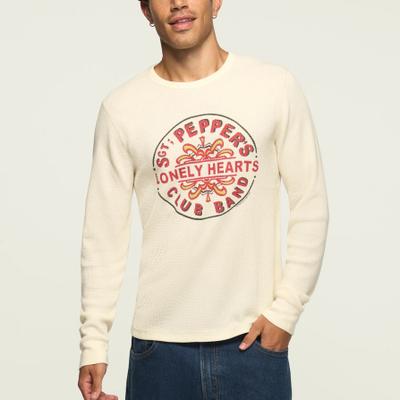
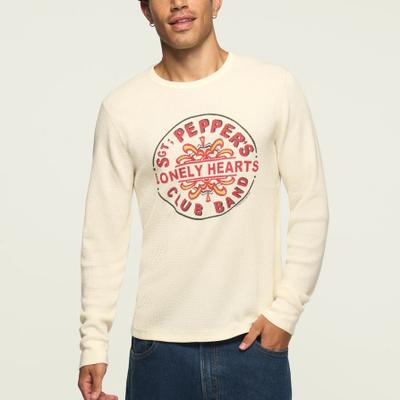
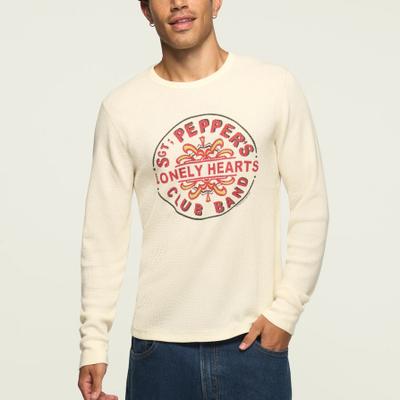
Lucky Brand Beatles Sgt Peppers Thermal Sleeve - Men's Clothing Thermal Tops Tees Shirts in Cream Multi, Size S"Stay warm in this long-sleeve thermal featuring a rad The Beatles print at the chest. Wear yours solo or layered over a tee. Crew neck. Long sleeves. Ribbed collar, cuffs and hem.28"" long, size M. - 100% Cotton - Lucky Brand Beatles Sgt Peppers..."45,15 $*Shipping: 0,00 $Secure redirect to the provider
-
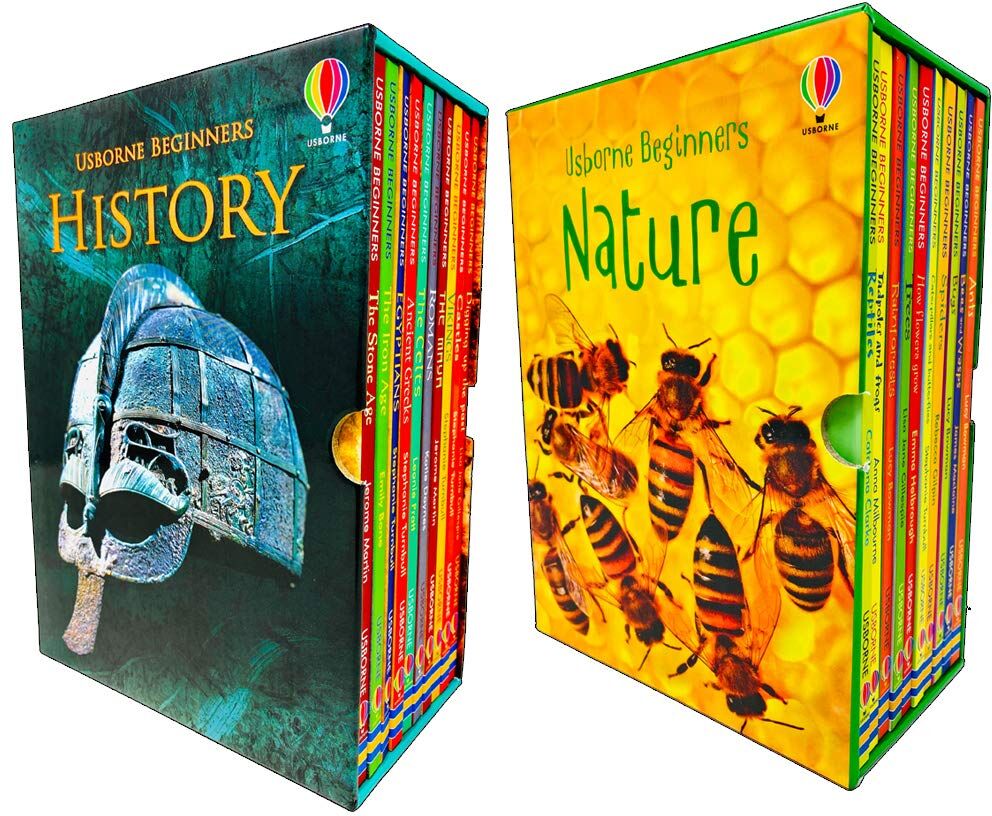
Usborne Publishing Ltd Usborne Beginners History & Usborne Beginners Nature 20 Books Collection Box SetTitles in this set: Usborne Beginners History Stone Age Iron Age Egyptians Ancient Greeks Celts Romans The Maya Vikings Castles Digging Up the Past. Usborne Beginners Nature Reptiles Tadpoles and Frogs Rainforest Trees How Flowers Grow Caterpillars and Butterflies Spiders Bugs Bees & Wasps Ants Description Stone Age This simple information book follows the history of Stone Age people and how they lived. Iron Age This simple information book charts the history of Iron Age people and how they lived, including their farming methods, the gods they prayed to and the hill forts where they lived. Egyptians Who were the ancient Egyptians? Why did they build pyramids and how were mummies made? Ancient Greeks Find out about Ancient Greece, what people wore, ate and did for fun and learn about some of the most famous philosophers and mathematicians of the age in this compelling book for beginner readers. Celts Who were the Celts exactly? Did you know they lived on top of hills? Do you have any idea how Celtic warriors made themselves look really scary in battle? Romans Who were the ancient Romans? Where did they go to eat, shop and wash? What did they do for fun? The Maya Who were the Maya? Where did they live? Why did they build tall stone temples? Vikings Find out what it was like to be a Viking, and learn about Viking homes, feasts, boats, gods and much more in this fascinating book. Castles Who lived in a castle, and what was it like? Children can find out the answers to these questions and lots more about the wonderful world of castles in this informative book. Digging Up the Past How do ancient things get buried? Who digs them up? And what do they find? Beginner readers can find answers to these questions and more in this colourful information book. Reptiles This is a fantastic brand new addition to the "Beginners" series, designed to provide an informative introduction to trees and plant-life for young readers. Tadpoles and Frogs Vivid, full colour illustrations and photographs on every page, accompanied by short, informative text. Rainforest It offers a terrific reading practice for children who prefer fact to fiction. It is developed with a reading expert from Roehampton University to help young readers grow in confidence. Trees This is a fantastic brand new addition to the 'Beginners' series, designed to provide an informative introduction to trees and plant-life for young readers. How Flowers Grow How do flowers grow in dry deserts? How do animals help to spread seeds? Which flower smells like rottng meat? Caterpillars and Butterflies Usborne Beginners are colourful information books for children beginning to read on their own. Spiders Usborne Beginners are colourful information books for children beginning to read on their own. Bugs Usborne Beginners are colourful information books for children beginning to read on their own. Bees & Wasps A slim and unintimidating book which belies its contents - a wealth of information, much of which will be...34,99 £*Shipping: 2,99 £Secure redirect to the provider
-
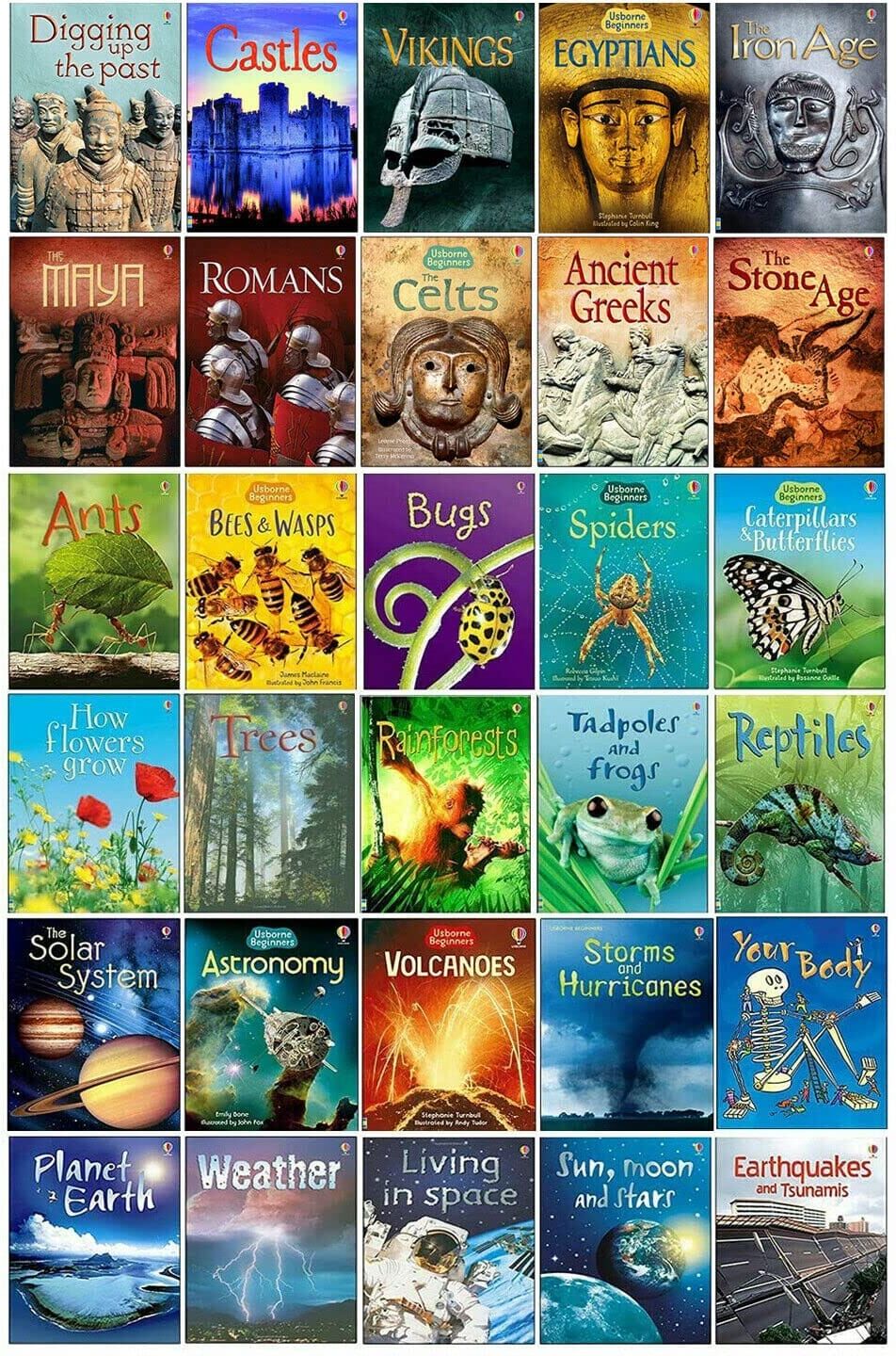
Usborne Beginners Nature, Science & History Collection 30 Books Set - Ages 4-10 - Paperback Usborne Publishing LtdTitles in This Set: Usborne Beginners Nature 10 Books: 1. Ants 2. Bees & Wasps 3. Bugs 4. Spiders 5. Tadpoles and Frogs 6. Caterpillars and Butterflies 7. How Flowers Grow 8. Trees 9. Rainforest 10. Reptiles Usborne Beginners Science 10 Books: 1. Earthquakes & Tsunamis 2. Sun Moon and Stars 3. Living in Space 4. Storms and Hurricanes 5. Volcanoes 6. Astronomy 7. The Solar System 8. Your Body 9. Planet Earth 10. Weather Usborne Beginners History 10 Books: Titles in This Set: 1. Ancient Greeks 2. Castles 3. Celts 4. Digging Up the Past 5. Egyptians 6. Iron Age 7. Maya 8. Romans 9. Stone Age 10. Vikings Description : Usborne Beginners Nature 10 Books Ants Where do ants live? What do they eat? How much weight can they carry? Little children can find out the answers to these questions and much more in this simple introduction to the world of ants. Bees & Wasps What do bees and wasps eat? What type of nests do they make? How do bees make honey? Find out the answers and lots more in this intriguing introduction to the fascinating world of bees and wasps. Bugs ''There are all kinds of different bugs. Some can jump up high. Other bugs have lots of legs.” Bugs is part of an exciting reading series for young children, with lots of pictures and very simple text. Spiders “Spiders have eight legs. Most of them have eight eyes, but some of them can’t see very well.” Learn all about spiders in this great book for children learning to read by themselves. Tadpoles and Frogs From egg to frog, find out about the entire life cycle of a frog in this easy-to-read fully illustrated book for young learners ages 4+. It comes complete with weblinks so you can see the process for yourself. Caterpillars and Butterflies A beautifully illustrated introduction to the life of butterflies and caterpillars, with easy to read text for beginner readers. The life cycle of a butterfly is shown with stunning photographs and illustrations, and there are links to carefully selected websites with videos that show butterflies emerging from their pupae. How Flowers Grow How do flowers grow in dry deserts? How do animals help to spread seeds? Which flower smells like rotting meat? Find out in this great book for young readers ages four and up. Trees How do trees use their leaves to make food? Why do they grow flowers and fruit? Which animals live inside a tree trunk and build nests in its branches? How can we help to protect trees? This book has all the answers and much more, along with photographs, step-by-step illustrations, simple text and links to websites with video clips and activities. Rainforests Learn all about the rainforest in this fantastic easy-to-read book for children 4+ beginning to strike out on their own. From towering trees to rainforest rivers, this fully-illustrated book also features links to carefully selected websites. Reptiles Learn all about the lizard world in this fully-illustrated guide, the latest in the Usborne Beginners series. From scaly skin to tongue tricks...42,75 £*Shipping: 0,00 £Secure redirect to the provider
-
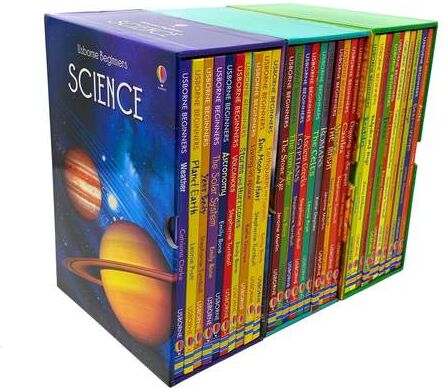
Usborne Beginners Series – 30 Book Collection Box Set Children’s Educational Books (History, Nature & Science) KS1 KS2Usborne Beginners Series 30 Books Collection Box Set (History- Nature- Science) Build a strong foundation in knowledge and reading with the Usborne Beginners Series – 30 Books Collection Box Set, published by Usborne. This comprehensive educational collection introduces children to a wide range of topics across history, science, and nature, using clear language, engaging illustrations, and structured layouts designed for young learners. Perfectly suited for KS1 and KS2 pupils, these books support both curriculum learning and independent reading. From natural disasters and wildlife to historical events and scientific discoveries, the series encourages curiosity, critical thinking, and a love of learning. Description Titles in this set: History Stone Age Iron Age Egyptians Ancient Greeks Celts Romans The Maya Vikings Castles Digging Up the Past Nature Reptiles Tadpoles and Frogs Rainforest Trees How Flowers Grow Caterpillars and Butterflies Spiders Bugs Bees & Wasps Ants Science Earthquakes & Tsunamis Sun Moon and Stars Living in Space Storms and Hurricanes Volcanoes Astronomy The Solar System Your Body Planet Earth Weather Related Tags: Usborne, Usbourne42,75 £*Shipping: 0,00 £Secure redirect to the provider
-
Can I simply plant the seeds of bell peppers, chili peppers, and chili peppers from Edeka?
Yes, you can plant the seeds from bell peppers, chili peppers, and chili peppers that you purchased from Edeka. However, it's important to note that the success of growing these plants from seeds will depend on various factors such as the quality of the seeds, the growing conditions, and your gardening skills. It's also important to ensure that the seeds are from open-pollinated or heirloom varieties if you want to save seeds from the plants you grow. Additionally, some hybrid varieties may not produce true-to-type plants from saved seeds. **
-
Are hot peppers healthy?
Yes, hot peppers are healthy as they are rich in vitamins, minerals, and antioxidants. They contain capsaicin, which has been shown to have anti-inflammatory and pain-relieving properties. Eating hot peppers may also help boost metabolism and aid in weight loss. However, it is important to consume them in moderation as they can cause irritation to the digestive system in some individuals. **
-
What are grilled peppers?
Grilled peppers are bell peppers that have been cooked over an open flame or on a grill until they are charred and tender. The grilling process gives the peppers a smoky flavor and a slightly caramelized exterior. Grilled peppers can be served as a side dish, added to salads, sandwiches, or pasta, or used as a topping for pizza or tacos. They are a versatile and flavorful addition to many dishes. **
-
Are bell peppers self-pollinating?
Yes, bell peppers are self-pollinating. This means that they have both male and female reproductive parts within the same flower, allowing them to pollinate themselves without the need for external pollinators like bees or wind. This self-pollination process helps ensure a higher rate of successful fruit production in bell pepper plants. **
Why do bell peppers rot?
Bell peppers can rot due to various factors such as exposure to moisture, improper storage, physical damage, or bacterial or fungal infections. When bell peppers are not stored in a dry and cool environment, moisture can accumulate on the surface, leading to mold growth and rotting. Additionally, any bruising or damage to the pepper can create entry points for bacteria and fungi to thrive, causing the pepper to deteriorate. It is important to store bell peppers properly and handle them with care to prevent rotting. **
Can rabbits eat bell peppers?
Yes, rabbits can eat bell peppers in moderation. Bell peppers are a good source of Vitamin C and other nutrients that can benefit a rabbit's health. However, it is important to introduce new foods slowly to avoid digestive issues, and to ensure that bell peppers are given as part of a balanced diet that includes hay, fresh vegetables, and a small amount of pellets. **
Top-Angebote
Products related to Peppers:
-
Naturcid Five Organic BC Peppers 70 grNutrition and Supplements Sauces and Condiments Naturcid Five Organic BC Peppers 70 gr This combination of high quality and specially selected peppers will give your dishes a different touch. Ideal for seasoning all kinds of food. How to use: Culinary use. Season to taste. No allergens Does not contain genetically modified organisms (No GMO) or irradiated. BPA free container. Store at room temperature, in a cool, dry place protected from light.3,75 £*Shipping: 3,99 £Secure redirect to the provider
-
Designer Print Towel Set/2 by Mu Kitchen in Multi PeppersMake a statement in your kitchen with theMUkitchen Designer Print Cotton Towel - Set of 2, which comes in a variety of playful and multicolored patterns. This two-piece kitchen towel set is crafted with soft, durable cotton, and features hemmed...23,99 $*Shipping: 10,98 $Secure redirect to the provider
-
Lucky Brand Beatles Sgt Peppers Thermal Sleeve - Men's Clothing Thermal Tops Tees Shirts in Cream Multi, Size S"Stay warm in this long-sleeve thermal featuring a rad The Beatles print at the chest. Wear yours solo or layered over a tee. Crew neck. Long sleeves. Ribbed collar, cuffs and hem.28"" long, size M. - 100% Cotton - Lucky Brand Beatles Sgt Peppers..."45,15 $*Shipping: 0,00 $Secure redirect to the provider
-
Usborne Publishing Ltd Usborne Beginners History & Usborne Beginners Nature 20 Books Collection Box SetTitles in this set: Usborne Beginners History Stone Age Iron Age Egyptians Ancient Greeks Celts Romans The Maya Vikings Castles Digging Up the Past. Usborne Beginners Nature Reptiles Tadpoles and Frogs Rainforest Trees How Flowers Grow Caterpillars and Butterflies Spiders Bugs Bees & Wasps Ants Description Stone Age This simple information book follows the history of Stone Age people and how they lived. Iron Age This simple information book charts the history of Iron Age people and how they lived, including their farming methods, the gods they prayed to and the hill forts where they lived. Egyptians Who were the ancient Egyptians? Why did they build pyramids and how were mummies made? Ancient Greeks Find out about Ancient Greece, what people wore, ate and did for fun and learn about some of the most famous philosophers and mathematicians of the age in this compelling book for beginner readers. Celts Who were the Celts exactly? Did you know they lived on top of hills? Do you have any idea how Celtic warriors made themselves look really scary in battle? Romans Who were the ancient Romans? Where did they go to eat, shop and wash? What did they do for fun? The Maya Who were the Maya? Where did they live? Why did they build tall stone temples? Vikings Find out what it was like to be a Viking, and learn about Viking homes, feasts, boats, gods and much more in this fascinating book. Castles Who lived in a castle, and what was it like? Children can find out the answers to these questions and lots more about the wonderful world of castles in this informative book. Digging Up the Past How do ancient things get buried? Who digs them up? And what do they find? Beginner readers can find answers to these questions and more in this colourful information book. Reptiles This is a fantastic brand new addition to the "Beginners" series, designed to provide an informative introduction to trees and plant-life for young readers. Tadpoles and Frogs Vivid, full colour illustrations and photographs on every page, accompanied by short, informative text. Rainforest It offers a terrific reading practice for children who prefer fact to fiction. It is developed with a reading expert from Roehampton University to help young readers grow in confidence. Trees This is a fantastic brand new addition to the 'Beginners' series, designed to provide an informative introduction to trees and plant-life for young readers. How Flowers Grow How do flowers grow in dry deserts? How do animals help to spread seeds? Which flower smells like rottng meat? Caterpillars and Butterflies Usborne Beginners are colourful information books for children beginning to read on their own. Spiders Usborne Beginners are colourful information books for children beginning to read on their own. Bugs Usborne Beginners are colourful information books for children beginning to read on their own. Bees & Wasps A slim and unintimidating book which belies its contents - a wealth of information, much of which will be...34,99 £*Shipping: 2,99 £Secure redirect to the provider
-
Do bell peppers and chili peppers tolerate frost?
Bell peppers and chili peppers are both sensitive to frost and cannot tolerate freezing temperatures. Exposure to frost can damage the plants, causing the leaves to wilt and turn black. It is important to protect these plants from frost by covering them or bringing them indoors during cold weather to ensure they continue to thrive. **
-
Can you use bell peppers instead of chili peppers?
Bell peppers can be used as a substitute for chili peppers if you are looking for a milder flavor. Bell peppers have a sweet taste compared to the spiciness of chili peppers. Keep in mind that using bell peppers may alter the overall flavor profile of the dish, so adjust other seasonings accordingly. **
-
Can I simply plant the seeds of bell peppers, chili peppers, and chili peppers from Edeka?
Yes, you can plant the seeds from bell peppers, chili peppers, and chili peppers that you purchased from Edeka. However, it's important to note that the success of growing these plants from seeds will depend on various factors such as the quality of the seeds, the growing conditions, and your gardening skills. It's also important to ensure that the seeds are from open-pollinated or heirloom varieties if you want to save seeds from the plants you grow. Additionally, some hybrid varieties may not produce true-to-type plants from saved seeds. **
-
Are hot peppers healthy?
Yes, hot peppers are healthy as they are rich in vitamins, minerals, and antioxidants. They contain capsaicin, which has been shown to have anti-inflammatory and pain-relieving properties. Eating hot peppers may also help boost metabolism and aid in weight loss. However, it is important to consume them in moderation as they can cause irritation to the digestive system in some individuals. **
Similar search terms for Peppers
-
Usborne Beginners Nature, Science & History Collection 30 Books Set - Ages 4-10 - Paperback Usborne Publishing LtdTitles in This Set: Usborne Beginners Nature 10 Books: 1. Ants 2. Bees & Wasps 3. Bugs 4. Spiders 5. Tadpoles and Frogs 6. Caterpillars and Butterflies 7. How Flowers Grow 8. Trees 9. Rainforest 10. Reptiles Usborne Beginners Science 10 Books: 1. Earthquakes & Tsunamis 2. Sun Moon and Stars 3. Living in Space 4. Storms and Hurricanes 5. Volcanoes 6. Astronomy 7. The Solar System 8. Your Body 9. Planet Earth 10. Weather Usborne Beginners History 10 Books: Titles in This Set: 1. Ancient Greeks 2. Castles 3. Celts 4. Digging Up the Past 5. Egyptians 6. Iron Age 7. Maya 8. Romans 9. Stone Age 10. Vikings Description : Usborne Beginners Nature 10 Books Ants Where do ants live? What do they eat? How much weight can they carry? Little children can find out the answers to these questions and much more in this simple introduction to the world of ants. Bees & Wasps What do bees and wasps eat? What type of nests do they make? How do bees make honey? Find out the answers and lots more in this intriguing introduction to the fascinating world of bees and wasps. Bugs ''There are all kinds of different bugs. Some can jump up high. Other bugs have lots of legs.” Bugs is part of an exciting reading series for young children, with lots of pictures and very simple text. Spiders “Spiders have eight legs. Most of them have eight eyes, but some of them can’t see very well.” Learn all about spiders in this great book for children learning to read by themselves. Tadpoles and Frogs From egg to frog, find out about the entire life cycle of a frog in this easy-to-read fully illustrated book for young learners ages 4+. It comes complete with weblinks so you can see the process for yourself. Caterpillars and Butterflies A beautifully illustrated introduction to the life of butterflies and caterpillars, with easy to read text for beginner readers. The life cycle of a butterfly is shown with stunning photographs and illustrations, and there are links to carefully selected websites with videos that show butterflies emerging from their pupae. How Flowers Grow How do flowers grow in dry deserts? How do animals help to spread seeds? Which flower smells like rotting meat? Find out in this great book for young readers ages four and up. Trees How do trees use their leaves to make food? Why do they grow flowers and fruit? Which animals live inside a tree trunk and build nests in its branches? How can we help to protect trees? This book has all the answers and much more, along with photographs, step-by-step illustrations, simple text and links to websites with video clips and activities. Rainforests Learn all about the rainforest in this fantastic easy-to-read book for children 4+ beginning to strike out on their own. From towering trees to rainforest rivers, this fully-illustrated book also features links to carefully selected websites. Reptiles Learn all about the lizard world in this fully-illustrated guide, the latest in the Usborne Beginners series. From scaly skin to tongue tricks...42,75 £*Shipping: 0,00 £Secure redirect to the provider
-
Usborne Beginners Series – 30 Book Collection Box Set Children’s Educational Books (History, Nature & Science) KS1 KS2Usborne Beginners Series 30 Books Collection Box Set (History- Nature- Science) Build a strong foundation in knowledge and reading with the Usborne Beginners Series – 30 Books Collection Box Set, published by Usborne. This comprehensive educational collection introduces children to a wide range of topics across history, science, and nature, using clear language, engaging illustrations, and structured layouts designed for young learners. Perfectly suited for KS1 and KS2 pupils, these books support both curriculum learning and independent reading. From natural disasters and wildlife to historical events and scientific discoveries, the series encourages curiosity, critical thinking, and a love of learning. Description Titles in this set: History Stone Age Iron Age Egyptians Ancient Greeks Celts Romans The Maya Vikings Castles Digging Up the Past Nature Reptiles Tadpoles and Frogs Rainforest Trees How Flowers Grow Caterpillars and Butterflies Spiders Bugs Bees & Wasps Ants Science Earthquakes & Tsunamis Sun Moon and Stars Living in Space Storms and Hurricanes Volcanoes Astronomy The Solar System Your Body Planet Earth Weather Related Tags: Usborne, Usbourne42,75 £*Shipping: 0,00 £Secure redirect to the provider
-
Lucky Brand Beatles Sgt Peppers Thermal Sleeve - Men's Clothing Thermal Tops Tees Shirts in Cream Multi, Size M"Stay warm in this long-sleeve thermal featuring a rad The Beatles print at the chest. Wear yours solo or layered over a tee. Crew neck. Long sleeves. Ribbed collar, cuffs and hem.28"" long, size M. - 100% Cotton - Lucky Brand Beatles Sgt Peppers..."45,15 $*Shipping: 0,00 $Secure redirect to the provider
-
Lucky Brand Beatles Sgt Peppers Thermal Sleeve - Men's Clothing Thermal Tops Tees Shirts in Cream Multi, Size L"Stay warm in this long-sleeve thermal featuring a rad The Beatles print at the chest. Wear yours solo or layered over a tee. Crew neck. Long sleeves. Ribbed collar, cuffs and hem.28"" long, size M. - 100% Cotton - Lucky Brand Beatles Sgt Peppers..."45,15 $*Shipping: 0,00 $Secure redirect to the provider
-
What are grilled peppers?
Grilled peppers are bell peppers that have been cooked over an open flame or on a grill until they are charred and tender. The grilling process gives the peppers a smoky flavor and a slightly caramelized exterior. Grilled peppers can be served as a side dish, added to salads, sandwiches, or pasta, or used as a topping for pizza or tacos. They are a versatile and flavorful addition to many dishes. **
-
Are bell peppers self-pollinating?
Yes, bell peppers are self-pollinating. This means that they have both male and female reproductive parts within the same flower, allowing them to pollinate themselves without the need for external pollinators like bees or wind. This self-pollination process helps ensure a higher rate of successful fruit production in bell pepper plants. **
-
Why do bell peppers rot?
Bell peppers can rot due to various factors such as exposure to moisture, improper storage, physical damage, or bacterial or fungal infections. When bell peppers are not stored in a dry and cool environment, moisture can accumulate on the surface, leading to mold growth and rotting. Additionally, any bruising or damage to the pepper can create entry points for bacteria and fungi to thrive, causing the pepper to deteriorate. It is important to store bell peppers properly and handle them with care to prevent rotting. **
-
Can rabbits eat bell peppers?
Yes, rabbits can eat bell peppers in moderation. Bell peppers are a good source of Vitamin C and other nutrients that can benefit a rabbit's health. However, it is important to introduce new foods slowly to avoid digestive issues, and to ensure that bell peppers are given as part of a balanced diet that includes hay, fresh vegetables, and a small amount of pellets. **
* All prices are inclusive of VAT and, if applicable, plus shipping costs. The offer information is based on the details provided by the respective shop and is updated through automated processes. Real-time updates do not occur, so deviations can occur in individual cases. ** Note: Parts of this content were created by AI.