Buy pernitz.co.at ?
We are moving the project
pernitz.co.at .
Are you interested in purchasing the domain
pernitz.co.at ?
domain@kv-gmbh.de · 0541-91531010
Buy pernitz.co.at ?
What is the nucleus?
The nucleus is a membrane-bound organelle found in eukaryotic cells that contains the cell's genetic material, including DNA. It acts as the control center of the cell, regulating gene expression and coordinating cellular activities. The nucleus is essential for cell division, growth, and reproduction. It is surrounded by a double membrane called the nuclear envelope, which contains pores that allow for the exchange of molecules between the nucleus and the cytoplasm. **
What is an atomic nucleus?
An atomic nucleus is the central part of an atom that contains protons and neutrons. It is positively charged due to the presence of protons and is surrounded by a cloud of negatively charged electrons. The nucleus is extremely dense and makes up the majority of the atom's mass. The number of protons in the nucleus determines the element's identity, while the number of neutrons can vary, resulting in different isotopes of the same element. **

Similar search terms for Nucleus
Top-Angebote
Products related to Nucleus:
-
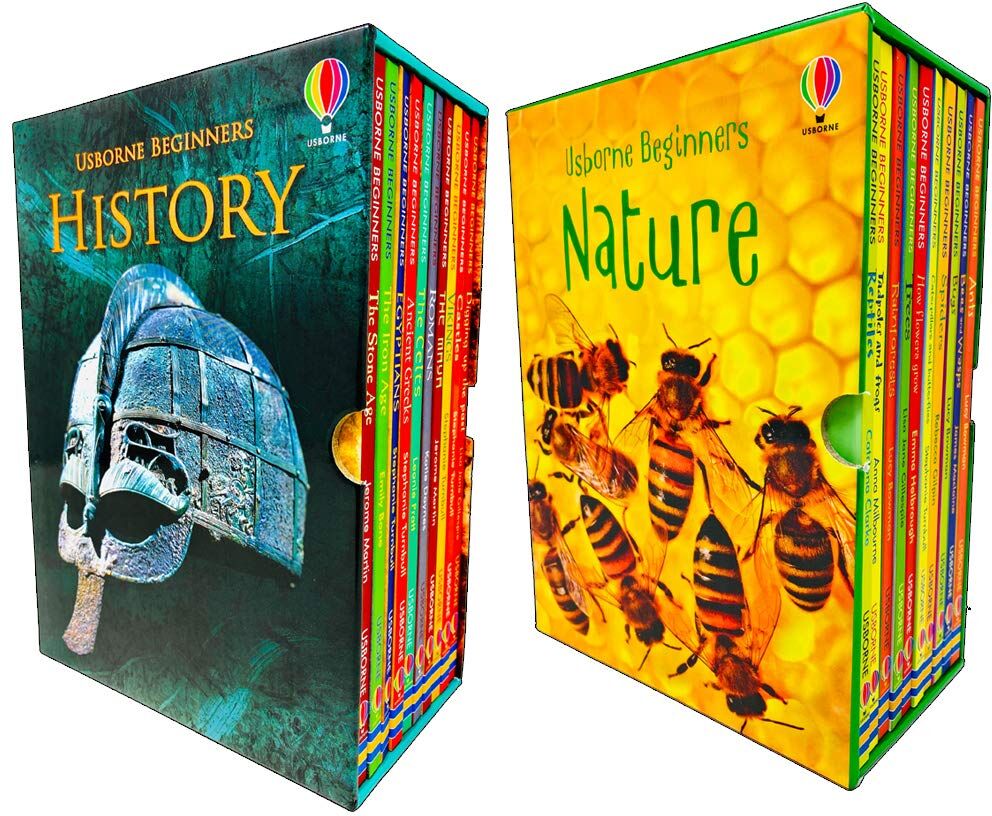
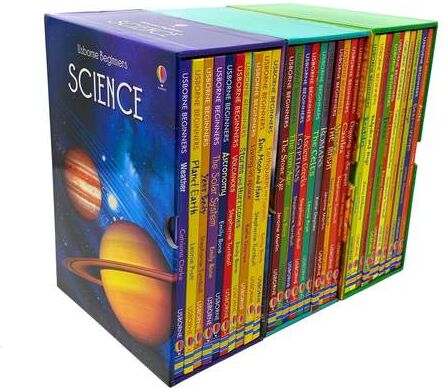
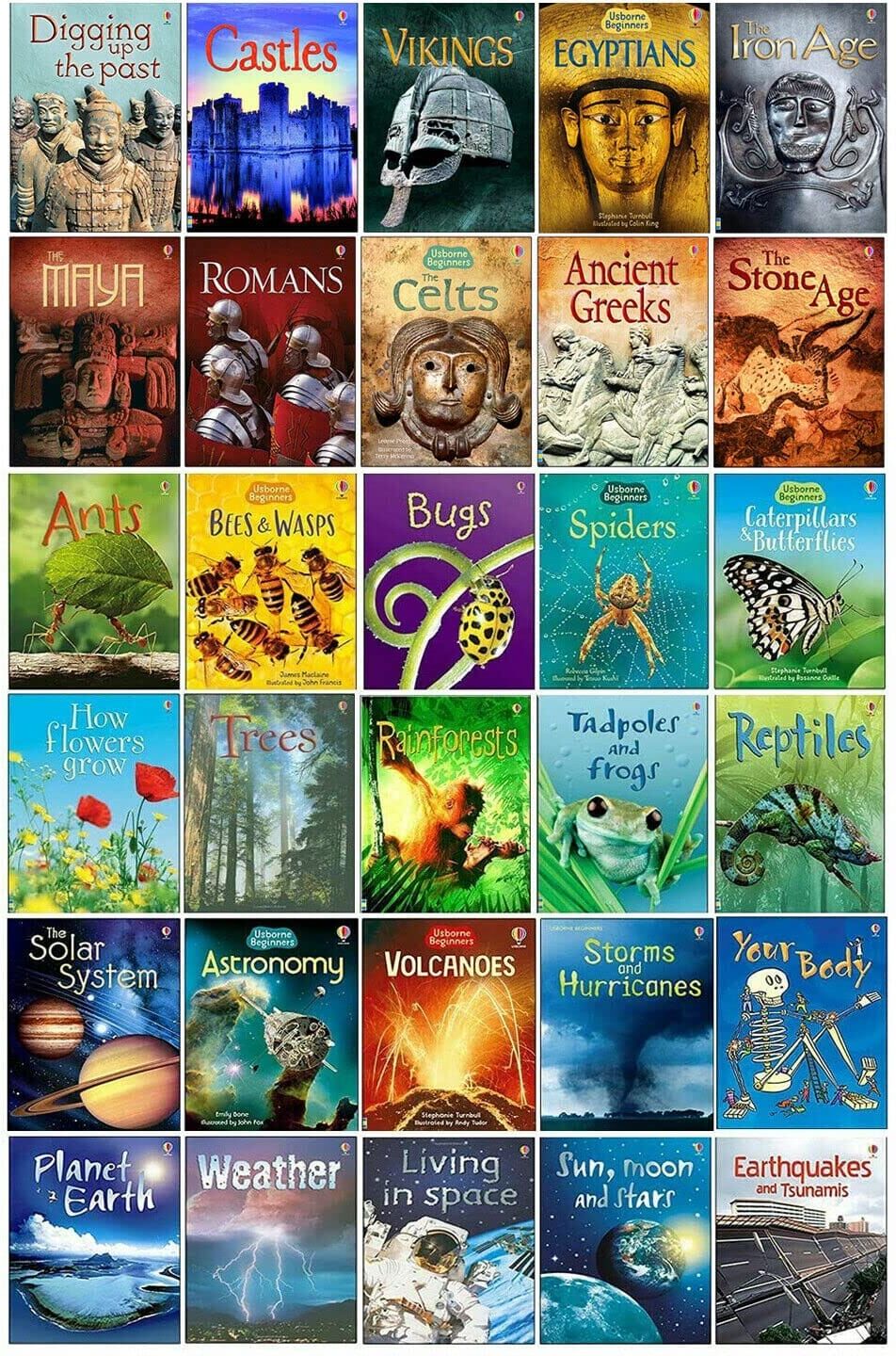
Usborne Beginners Series – 30 Book Collection Box Set Children’s Educational Books (History, Nature & Science) KS1 KS2Usborne Beginners Series 30 Books Collection Box Set (History- Nature- Science) Build a strong foundation in knowledge and reading with the Usborne Beginners Series – 30 Books Collection Box Set, published by Usborne. This comprehensive educational collection introduces children to a wide range of topics across history, science, and nature, using clear language, engaging illustrations, and structured layouts designed for young learners. Perfectly suited for KS1 and KS2 pupils, these books support both curriculum learning and independent reading. From natural disasters and wildlife to historical events and scientific discoveries, the series encourages curiosity, critical thinking, and a love of learning. Description Titles in this set: History Stone Age Iron Age Egyptians Ancient Greeks Celts Romans The Maya Vikings Castles Digging Up the Past Nature Reptiles Tadpoles and Frogs Rainforest Trees How Flowers Grow Caterpillars and Butterflies Spiders Bugs Bees & Wasps Ants Science Earthquakes & Tsunamis Sun Moon and Stars Living in Space Storms and Hurricanes Volcanoes Astronomy The Solar System Your Body Planet Earth Weather Related Tags: Usborne, Usbourne42,75 £*Shipping: 0,00 £Secure redirect to the provider
-
Usborne Beginners Nature, Science & History Collection 30 Books Set - Ages 4-10 - Paperback Usborne Publishing LtdTitles in This Set: Usborne Beginners Nature 10 Books: 1. Ants 2. Bees & Wasps 3. Bugs 4. Spiders 5. Tadpoles and Frogs 6. Caterpillars and Butterflies 7. How Flowers Grow 8. Trees 9. Rainforest 10. Reptiles Usborne Beginners Science 10 Books: 1. Earthquakes & Tsunamis 2. Sun Moon and Stars 3. Living in Space 4. Storms and Hurricanes 5. Volcanoes 6. Astronomy 7. The Solar System 8. Your Body 9. Planet Earth 10. Weather Usborne Beginners History 10 Books: Titles in This Set: 1. Ancient Greeks 2. Castles 3. Celts 4. Digging Up the Past 5. Egyptians 6. Iron Age 7. Maya 8. Romans 9. Stone Age 10. Vikings Description : Usborne Beginners Nature 10 Books Ants Where do ants live? What do they eat? How much weight can they carry? Little children can find out the answers to these questions and much more in this simple introduction to the world of ants. Bees & Wasps What do bees and wasps eat? What type of nests do they make? How do bees make honey? Find out the answers and lots more in this intriguing introduction to the fascinating world of bees and wasps. Bugs ''There are all kinds of different bugs. Some can jump up high. Other bugs have lots of legs.” Bugs is part of an exciting reading series for young children, with lots of pictures and very simple text. Spiders “Spiders have eight legs. Most of them have eight eyes, but some of them can’t see very well.” Learn all about spiders in this great book for children learning to read by themselves. Tadpoles and Frogs From egg to frog, find out about the entire life cycle of a frog in this easy-to-read fully illustrated book for young learners ages 4+. It comes complete with weblinks so you can see the process for yourself. Caterpillars and Butterflies A beautifully illustrated introduction to the life of butterflies and caterpillars, with easy to read text for beginner readers. The life cycle of a butterfly is shown with stunning photographs and illustrations, and there are links to carefully selected websites with videos that show butterflies emerging from their pupae. How Flowers Grow How do flowers grow in dry deserts? How do animals help to spread seeds? Which flower smells like rotting meat? Find out in this great book for young readers ages four and up. Trees How do trees use their leaves to make food? Why do they grow flowers and fruit? Which animals live inside a tree trunk and build nests in its branches? How can we help to protect trees? This book has all the answers and much more, along with photographs, step-by-step illustrations, simple text and links to websites with video clips and activities. Rainforests Learn all about the rainforest in this fantastic easy-to-read book for children 4+ beginning to strike out on their own. From towering trees to rainforest rivers, this fully-illustrated book also features links to carefully selected websites. Reptiles Learn all about the lizard world in this fully-illustrated guide, the latest in the Usborne Beginners series. From scaly skin to tongue tricks...42,75 £*Shipping: 0,00 £Secure redirect to the provider
-
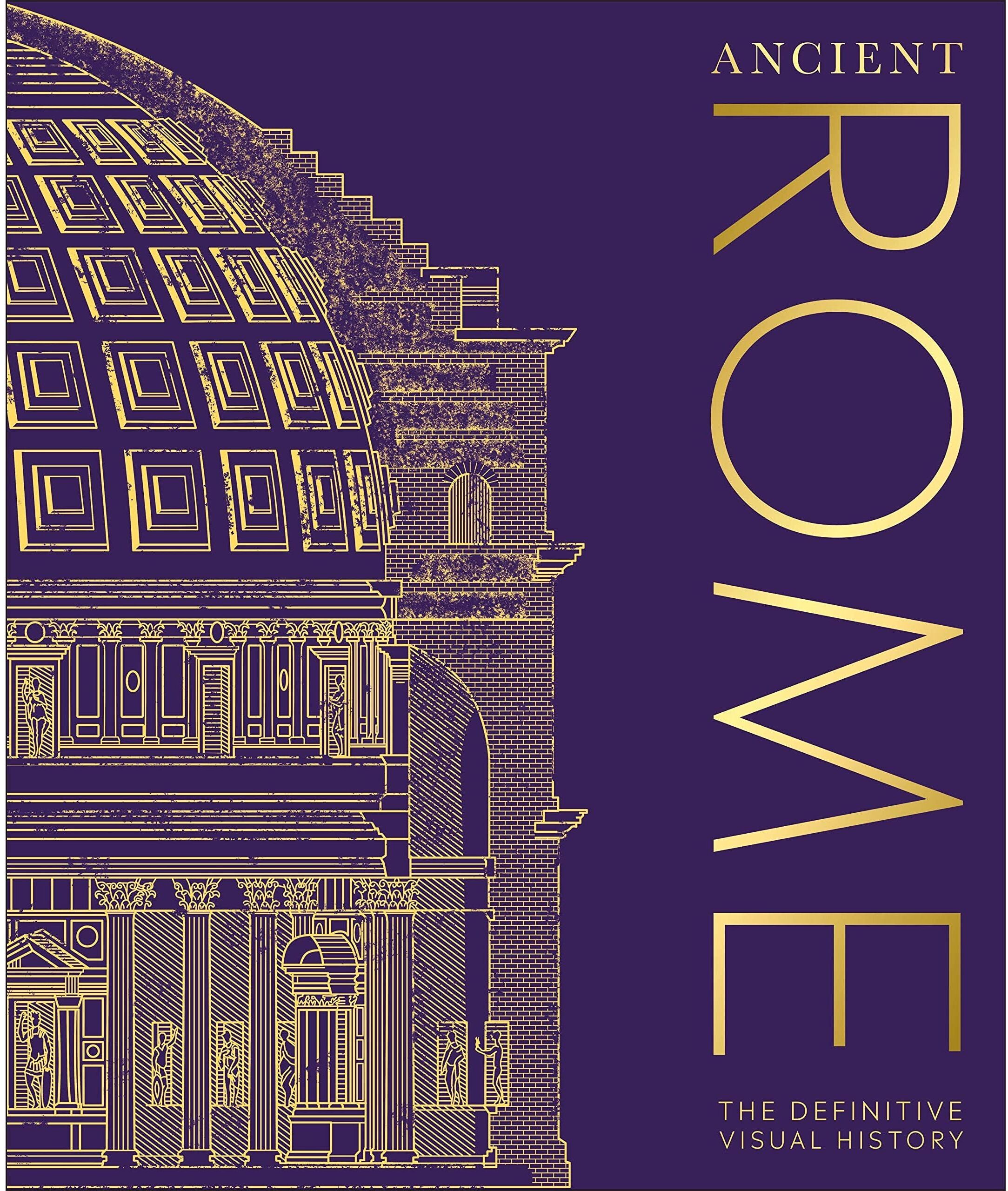
Ancient Rome: The Definitive Visual History (DK Classic History)Immerse yourself in the history of ancient Rome - from its origins as a small settlement on the Palatine Hill to its peak as an empire reigning over 90 million people, and its tumultuous decline. Covering more than 1,000 years of history, and an empire that stretched from Scotland to Syria, Ancient Rome reveals in vivid detail all of the key political, cultural, and military events that shaped the Roman Empire and explores what it was like to live in a society that laid the foundations for many aspects of the modern world. Sumptuous photography and engaging text cover every facet of life in ancient Rome, from art, entertainment, and fashion to engineering, medicine, and war, while detailed maps trace the rise of the mighty Roman Empire. Step back in time in the pages of this history book to discover:- Themed spreads explore developments in areas such as sculpture, religion, warfare, and engineering. - Includes tales of the most dramatic events and battles in Roman history, as well as profiles of influential historical and cultural figures. - An optional 80pp reference section includes sections on rulers, gods and goddesses, and key sites. Featuring Rome's greatest emperors, from Augustus to Constantine, as well as profiles of generals, historians, and influential women, Ancient Rome also delves into the fascinating stories of gladiators, bakers, and enslaved people. The most iconic buildings of Rome are brought to life with specially commissioned CGI recreations, while the stories of ordinary citizens, soldiers, and persecuted groups from across the empire are told with the help of illustrations, artefacts, and eyewitness accounts. Beautifully illustrated and unparalleled in scope, Ancient Rome is the perfect book for anyone who is interested in this defining period of world history.19,95 £*Shipping: 2,99 £Secure redirect to the provider
-
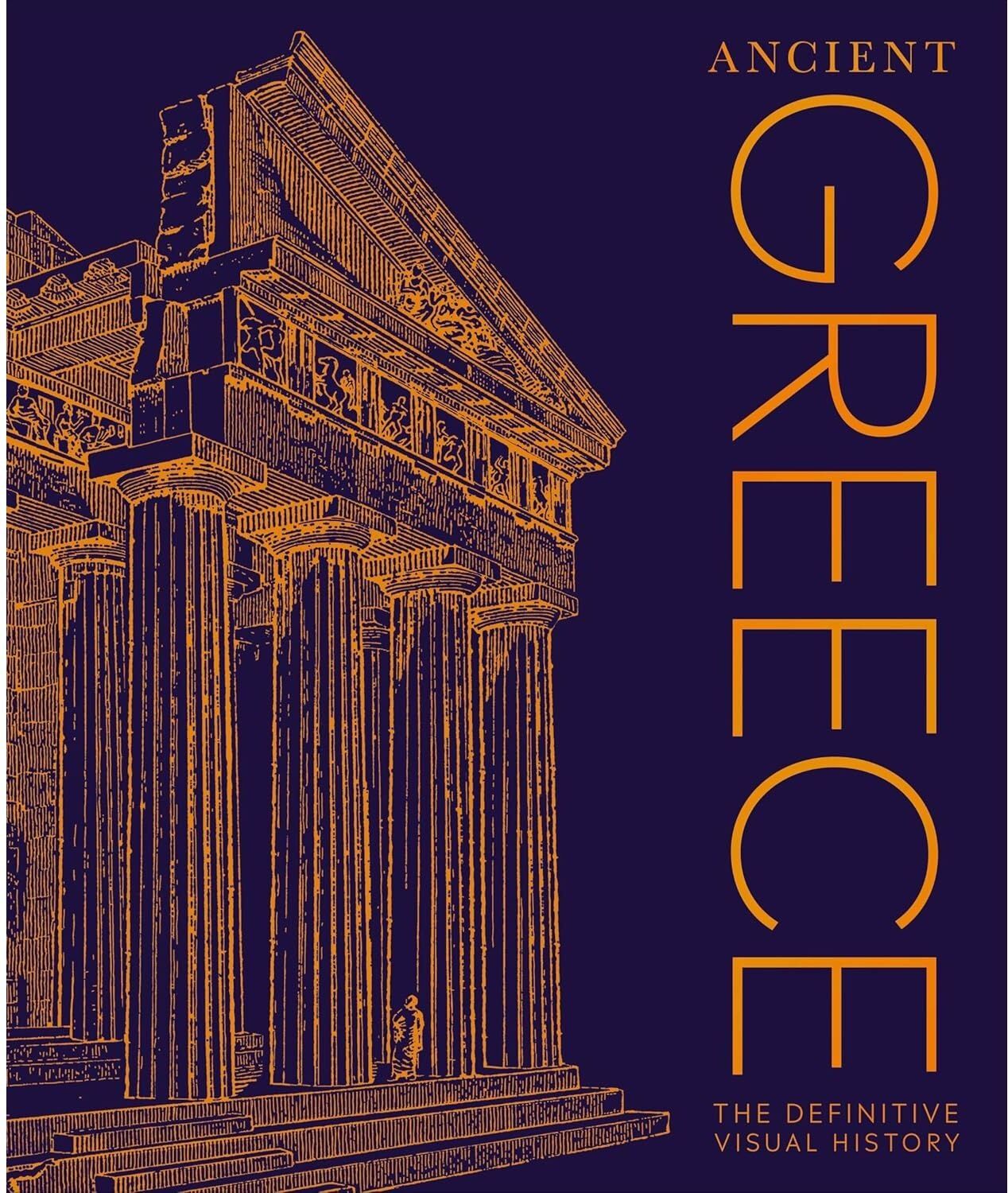
Ancient Greece: The Definitive Visual History (DK Classic History)Embark upon a fascinating journey through ancient Greece – from its rise and fall to its lasting legacy throughout the Western world. Spanning more than 3,000 years, Ancient Greece explores the tumultuous history of this glorious empire in vivid detail – from its Minoan and Mycenaean origins to the apogee of the warring city-states of Athens and Sparta, and from the death of its most charismatic leader, Alexander the Great, to its ultimate defeat by Rome. Sumptuous photography and authoritative, engaging text cover every facet of life in ancient Greece, from art, entertainment, and schools of thought to politics, medicine, and war, while the myths and religious beliefs of the ancient culture are explored and explained in depth. Greece’s military and political power shines through in fascinating maps of its legendary battles. Buried palaces and the Athenian Agora where Plato and Socrates discussed philosophy are brought back to life with stunning CGI artworks. And the stories of everyone from ordinary citizens to lawmakers and the first Olympic athletes are retold through eyewitness accounts and original artefacts.19,99 £*Shipping: 2,99 £Secure redirect to the provider
-
What is a atomic nucleus?
An atomic nucleus is the central part of an atom that contains protons and neutrons. It is positively charged due to the presence of protons, which are positively charged particles. The number of protons in the nucleus determines the element's identity, while the number of neutrons can vary, leading to different isotopes of the same element. The nucleus is held together by strong nuclear forces, which overcome the repulsive forces between positively charged protons. **
-
What limits the cell nucleus?
The cell nucleus is limited by the nuclear envelope, which is a double membrane that surrounds the nucleus and separates it from the cytoplasm. This membrane has nuclear pores that control the movement of molecules in and out of the nucleus. Additionally, the size of the nucleus is limited by the amount of DNA it needs to contain and the need to maintain proper cellular function. Any disruption to the nuclear envelope or changes in nuclear size can impact the cell's ability to regulate gene expression and carry out essential functions. **
-
What is the cell nucleus?
The cell nucleus is a membrane-bound organelle found in eukaryotic cells. It contains the cell's genetic material, including DNA, and is responsible for controlling the cell's activities by regulating gene expression. The nucleus also plays a crucial role in cell division, as it is involved in the replication and distribution of genetic material to daughter cells. Additionally, the nucleus contains a dense region called the nucleolus, which is involved in the production of ribosomes. **
-
What is the electron-nucleus model?
The electron-nucleus model is a simplified representation of an atom that describes the arrangement of electrons around the nucleus. In this model, electrons are depicted as negatively charged particles orbiting around a positively charged nucleus. The nucleus contains protons and neutrons, which are tightly bound together at the center of the atom. This model helps us understand the basic structure of an atom and how electrons interact with the nucleus to form chemical bonds. **

Does a bacterium have a nucleus?
No, a bacterium does not have a nucleus. Bacteria are prokaryotic organisms, meaning they lack a membrane-bound nucleus. Instead, their genetic material is found in a single circular chromosome located in the nucleoid region of the cell. This genetic material is not enclosed within a nuclear membrane like in eukaryotic cells. **
Do prokaryotes have a cell nucleus?
No, prokaryotes do not have a cell nucleus. Prokaryotic cells lack a membrane-bound nucleus that houses their genetic material. Instead, their DNA is found in a region of the cell called the nucleoid. This is one of the key differences between prokaryotic and eukaryotic cells, as eukaryotic cells have a defined nucleus that separates their genetic material from the rest of the cell. **
Top-Angebote
Products related to Nucleus:
-
Zaffre ltd Tom Wilde Series 8 Books Collection Set By Rory Clements (Corpus, Nucleus, Nemesis, Hitler's Secret, A Prince and a Spy, The Man in the Bunker, The EnCorpus: 1936 - Europe is in turmoil. The Nazis have marched into the Rhineland. In Russia, Stalin has unleashed his Great Terror. Spain has erupted in civil war.In Berlin, a young Englishwoman evades the Gestapo to deliver vital papers to a Jewish scientist. Within weeks, she is found dead, a silver syringe clutched in her fingers. Nucleus: June 1939. England is partying like there's no tomorrow . . . but the good times won't last. The Nazis have invaded Czechoslovakia, in Germany Jewish persecution is widespread and, closer to home, the IRA has embarked on a bombing campaign. Nemesis: In a great English house, a young woman offers herself to one of the most powerful and influential figures in the land - but this is no ordinary seduction. She plans to ensure his death . . . Hitler's Secret: In Cambridge, professor Tom Wilde is approached by an American intelligence officer who claims to know of such a weapon - one so secret even Hitler himself isn't aware of its existence. If Wilde can smuggle the package out of Germany, the Third Reich will surely fall. A Prince and a Spy: Sweden, 1942 - Two old friends meet. They are cousins. One is Prince George, Duke of Kent, brother of the King of England. The other is Prince Philipp von Hesse, a committed Nazi and close friend of Adolf Hitler. Days later, the Prince George is killed in a plane crash in the north of Scotland. The official story is that it was an accident - but not everyone is convinced. The Man in the Bunker: Germany, late summer 1945 - The war is over but the country is in ruins. Millions of refugees and holocaust survivors strive to rebuild their lives in displaced persons camps. Millions of German soldiers and SS men are held captive in primitive conditions in open-air detention centres. Everywhere, civilians are desperate for food and shelter. No one admits to having voted Nazi, yet many are unrepentant. Adolf Hitler is said to have killed himself in his Berlin bunker. But no body was found - and many people believe he is alive. The English Fuhrer: Autumn 1945 - Off the east coast of England, a Japanese sub surfaces, unloads its mysterious cargo, then blows itself to pieces. Former spy Professor Tom Wilde is enjoying peacetime in Cambridge, settling back into teaching and family life. Until a call from senior MI5 boss Lord Templeman brings him out of retirement. A nearby village has been locked down by the military, its residents blighted by a deadly illness. No one is allowed in or out. A Cold Wind from Moscow: Winter, 1947. Britain's secret services have been penetrated. The country is more vulnerable than ever - and Soviet leader Joseph Stalin knows it. He decides it is time to send his master of 'Special Tasks' to create extra chaos. But Stalin has a more important motive than mere disruption. He has a man on the inside who must be protected at all costs - a communist super-spy who has the secrets of the atomic bomb at his fingertips. Freya Bentall, a senior MI5 officer, no longer...24,99 £*Shipping: 2,99 £Secure redirect to the provider
-
Usborne Publishing Ltd Usborne Beginners History & Usborne Beginners Nature 20 Books Collection Box SetTitles in this set: Usborne Beginners History Stone Age Iron Age Egyptians Ancient Greeks Celts Romans The Maya Vikings Castles Digging Up the Past. Usborne Beginners Nature Reptiles Tadpoles and Frogs Rainforest Trees How Flowers Grow Caterpillars and Butterflies Spiders Bugs Bees & Wasps Ants Description Stone Age This simple information book follows the history of Stone Age people and how they lived. Iron Age This simple information book charts the history of Iron Age people and how they lived, including their farming methods, the gods they prayed to and the hill forts where they lived. Egyptians Who were the ancient Egyptians? Why did they build pyramids and how were mummies made? Ancient Greeks Find out about Ancient Greece, what people wore, ate and did for fun and learn about some of the most famous philosophers and mathematicians of the age in this compelling book for beginner readers. Celts Who were the Celts exactly? Did you know they lived on top of hills? Do you have any idea how Celtic warriors made themselves look really scary in battle? Romans Who were the ancient Romans? Where did they go to eat, shop and wash? What did they do for fun? The Maya Who were the Maya? Where did they live? Why did they build tall stone temples? Vikings Find out what it was like to be a Viking, and learn about Viking homes, feasts, boats, gods and much more in this fascinating book. Castles Who lived in a castle, and what was it like? Children can find out the answers to these questions and lots more about the wonderful world of castles in this informative book. Digging Up the Past How do ancient things get buried? Who digs them up? And what do they find? Beginner readers can find answers to these questions and more in this colourful information book. Reptiles This is a fantastic brand new addition to the "Beginners" series, designed to provide an informative introduction to trees and plant-life for young readers. Tadpoles and Frogs Vivid, full colour illustrations and photographs on every page, accompanied by short, informative text. Rainforest It offers a terrific reading practice for children who prefer fact to fiction. It is developed with a reading expert from Roehampton University to help young readers grow in confidence. Trees This is a fantastic brand new addition to the 'Beginners' series, designed to provide an informative introduction to trees and plant-life for young readers. How Flowers Grow How do flowers grow in dry deserts? How do animals help to spread seeds? Which flower smells like rottng meat? Caterpillars and Butterflies Usborne Beginners are colourful information books for children beginning to read on their own. Spiders Usborne Beginners are colourful information books for children beginning to read on their own. Bugs Usborne Beginners are colourful information books for children beginning to read on their own. Bees & Wasps A slim and unintimidating book which belies its contents - a wealth of information, much of which will be...34,99 £*Shipping: 2,99 £Secure redirect to the provider
-
Usborne Beginners Series – 30 Book Collection Box Set Children’s Educational Books (History, Nature & Science) KS1 KS2Usborne Beginners Series 30 Books Collection Box Set (History- Nature- Science) Build a strong foundation in knowledge and reading with the Usborne Beginners Series – 30 Books Collection Box Set, published by Usborne. This comprehensive educational collection introduces children to a wide range of topics across history, science, and nature, using clear language, engaging illustrations, and structured layouts designed for young learners. Perfectly suited for KS1 and KS2 pupils, these books support both curriculum learning and independent reading. From natural disasters and wildlife to historical events and scientific discoveries, the series encourages curiosity, critical thinking, and a love of learning. Description Titles in this set: History Stone Age Iron Age Egyptians Ancient Greeks Celts Romans The Maya Vikings Castles Digging Up the Past Nature Reptiles Tadpoles and Frogs Rainforest Trees How Flowers Grow Caterpillars and Butterflies Spiders Bugs Bees & Wasps Ants Science Earthquakes & Tsunamis Sun Moon and Stars Living in Space Storms and Hurricanes Volcanoes Astronomy The Solar System Your Body Planet Earth Weather Related Tags: Usborne, Usbourne42,75 £*Shipping: 0,00 £Secure redirect to the provider
-
Usborne Beginners Nature, Science & History Collection 30 Books Set - Ages 4-10 - Paperback Usborne Publishing LtdTitles in This Set: Usborne Beginners Nature 10 Books: 1. Ants 2. Bees & Wasps 3. Bugs 4. Spiders 5. Tadpoles and Frogs 6. Caterpillars and Butterflies 7. How Flowers Grow 8. Trees 9. Rainforest 10. Reptiles Usborne Beginners Science 10 Books: 1. Earthquakes & Tsunamis 2. Sun Moon and Stars 3. Living in Space 4. Storms and Hurricanes 5. Volcanoes 6. Astronomy 7. The Solar System 8. Your Body 9. Planet Earth 10. Weather Usborne Beginners History 10 Books: Titles in This Set: 1. Ancient Greeks 2. Castles 3. Celts 4. Digging Up the Past 5. Egyptians 6. Iron Age 7. Maya 8. Romans 9. Stone Age 10. Vikings Description : Usborne Beginners Nature 10 Books Ants Where do ants live? What do they eat? How much weight can they carry? Little children can find out the answers to these questions and much more in this simple introduction to the world of ants. Bees & Wasps What do bees and wasps eat? What type of nests do they make? How do bees make honey? Find out the answers and lots more in this intriguing introduction to the fascinating world of bees and wasps. Bugs ''There are all kinds of different bugs. Some can jump up high. Other bugs have lots of legs.” Bugs is part of an exciting reading series for young children, with lots of pictures and very simple text. Spiders “Spiders have eight legs. Most of them have eight eyes, but some of them can’t see very well.” Learn all about spiders in this great book for children learning to read by themselves. Tadpoles and Frogs From egg to frog, find out about the entire life cycle of a frog in this easy-to-read fully illustrated book for young learners ages 4+. It comes complete with weblinks so you can see the process for yourself. Caterpillars and Butterflies A beautifully illustrated introduction to the life of butterflies and caterpillars, with easy to read text for beginner readers. The life cycle of a butterfly is shown with stunning photographs and illustrations, and there are links to carefully selected websites with videos that show butterflies emerging from their pupae. How Flowers Grow How do flowers grow in dry deserts? How do animals help to spread seeds? Which flower smells like rotting meat? Find out in this great book for young readers ages four and up. Trees How do trees use their leaves to make food? Why do they grow flowers and fruit? Which animals live inside a tree trunk and build nests in its branches? How can we help to protect trees? This book has all the answers and much more, along with photographs, step-by-step illustrations, simple text and links to websites with video clips and activities. Rainforests Learn all about the rainforest in this fantastic easy-to-read book for children 4+ beginning to strike out on their own. From towering trees to rainforest rivers, this fully-illustrated book also features links to carefully selected websites. Reptiles Learn all about the lizard world in this fully-illustrated guide, the latest in the Usborne Beginners series. From scaly skin to tongue tricks...42,75 £*Shipping: 0,00 £Secure redirect to the provider
-
What is the nucleus?
The nucleus is a membrane-bound organelle found in eukaryotic cells that contains the cell's genetic material, including DNA. It acts as the control center of the cell, regulating gene expression and coordinating cellular activities. The nucleus is essential for cell division, growth, and reproduction. It is surrounded by a double membrane called the nuclear envelope, which contains pores that allow for the exchange of molecules between the nucleus and the cytoplasm. **
-
What is an atomic nucleus?
An atomic nucleus is the central part of an atom that contains protons and neutrons. It is positively charged due to the presence of protons and is surrounded by a cloud of negatively charged electrons. The nucleus is extremely dense and makes up the majority of the atom's mass. The number of protons in the nucleus determines the element's identity, while the number of neutrons can vary, resulting in different isotopes of the same element. **
-
What is a atomic nucleus?
An atomic nucleus is the central part of an atom that contains protons and neutrons. It is positively charged due to the presence of protons, which are positively charged particles. The number of protons in the nucleus determines the element's identity, while the number of neutrons can vary, leading to different isotopes of the same element. The nucleus is held together by strong nuclear forces, which overcome the repulsive forces between positively charged protons. **
-
What limits the cell nucleus?
The cell nucleus is limited by the nuclear envelope, which is a double membrane that surrounds the nucleus and separates it from the cytoplasm. This membrane has nuclear pores that control the movement of molecules in and out of the nucleus. Additionally, the size of the nucleus is limited by the amount of DNA it needs to contain and the need to maintain proper cellular function. Any disruption to the nuclear envelope or changes in nuclear size can impact the cell's ability to regulate gene expression and carry out essential functions. **
Similar search terms for Nucleus
-
Ancient Rome: The Definitive Visual History (DK Classic History)Immerse yourself in the history of ancient Rome - from its origins as a small settlement on the Palatine Hill to its peak as an empire reigning over 90 million people, and its tumultuous decline. Covering more than 1,000 years of history, and an empire that stretched from Scotland to Syria, Ancient Rome reveals in vivid detail all of the key political, cultural, and military events that shaped the Roman Empire and explores what it was like to live in a society that laid the foundations for many aspects of the modern world. Sumptuous photography and engaging text cover every facet of life in ancient Rome, from art, entertainment, and fashion to engineering, medicine, and war, while detailed maps trace the rise of the mighty Roman Empire. Step back in time in the pages of this history book to discover:- Themed spreads explore developments in areas such as sculpture, religion, warfare, and engineering. - Includes tales of the most dramatic events and battles in Roman history, as well as profiles of influential historical and cultural figures. - An optional 80pp reference section includes sections on rulers, gods and goddesses, and key sites. Featuring Rome's greatest emperors, from Augustus to Constantine, as well as profiles of generals, historians, and influential women, Ancient Rome also delves into the fascinating stories of gladiators, bakers, and enslaved people. The most iconic buildings of Rome are brought to life with specially commissioned CGI recreations, while the stories of ordinary citizens, soldiers, and persecuted groups from across the empire are told with the help of illustrations, artefacts, and eyewitness accounts. Beautifully illustrated and unparalleled in scope, Ancient Rome is the perfect book for anyone who is interested in this defining period of world history.19,95 £*Shipping: 2,99 £Secure redirect to the provider
-
Ancient Greece: The Definitive Visual History (DK Classic History)Embark upon a fascinating journey through ancient Greece – from its rise and fall to its lasting legacy throughout the Western world. Spanning more than 3,000 years, Ancient Greece explores the tumultuous history of this glorious empire in vivid detail – from its Minoan and Mycenaean origins to the apogee of the warring city-states of Athens and Sparta, and from the death of its most charismatic leader, Alexander the Great, to its ultimate defeat by Rome. Sumptuous photography and authoritative, engaging text cover every facet of life in ancient Greece, from art, entertainment, and schools of thought to politics, medicine, and war, while the myths and religious beliefs of the ancient culture are explored and explained in depth. Greece’s military and political power shines through in fascinating maps of its legendary battles. Buried palaces and the Athenian Agora where Plato and Socrates discussed philosophy are brought back to life with stunning CGI artworks. And the stories of everyone from ordinary citizens to lawmakers and the first Olympic athletes are retold through eyewitness accounts and original artefacts.19,99 £*Shipping: 2,99 £Secure redirect to the provider
-
Kidicraft Corgi Cromwell IV 1000 Piece Military History Jigsaw Puzzle - Military HistoryImmerse yourself in military history with the Kidicraft Corgi Cromwell IV 1000 Piece Jigsaw Puzzle. This meticulously crafted puzzle pays tribute to the legendary Cromwell IV tank, a symbol of British military engineering and valor during World War II. Each piece captures the essence of the Cromwell IV tank, featuring its distinctive design, markings, and the spirit of wartime courage. With 1000 pieces to assemble, this puzzle offers a challenge for both beginners and experienced puzzlers. The puzzle is a celebration of the Cromwell IV's historical importance and a great way to learn about this remarkable armored vehicle.9,79 £*Shipping: 3,95 £Secure redirect to the provider
-
Dorling Kindersley DK Children’s Encyclopedia: The Book That Explains Everything Illustrated Reference Book on Science, History, Nature & More for KidsPacked with amazing facts, colorful photos, and easy-to-understand information, the DK Children’s Encyclopedia: The Book That Explains Everything is the ultimate reference guide for curious young minds. From science and space to history, animals, art, and technology, this beautifully illustrated encyclopedia brings knowledge to life in a fun, accessible way. Each page answers children’s biggest questions about the world with clear explanations, infographics, and expert-approved facts. Perfect for home learning, school projects, or everyday exploration, this encyclopedia helps children discover, learn, and develop a lifelong love of knowledge. Created by the trusted educational publisher DK, it’s an essential addition to every child’s bookshelf. Key Features Over 250 topics covering science, history, geography, and culture Packed with stunning DK photography and infographics Encourages curiosity, critical thinking, and independent learning Perfect gift for children aged 7–12 or families who love to learn together Ideal for home education, homework help, or classroom reference9,99 £*Shipping: 2,99 £Secure redirect to the provider
-
What is the cell nucleus?
The cell nucleus is a membrane-bound organelle found in eukaryotic cells. It contains the cell's genetic material, including DNA, and is responsible for controlling the cell's activities by regulating gene expression. The nucleus also plays a crucial role in cell division, as it is involved in the replication and distribution of genetic material to daughter cells. Additionally, the nucleus contains a dense region called the nucleolus, which is involved in the production of ribosomes. **
-
What is the electron-nucleus model?
The electron-nucleus model is a simplified representation of an atom that describes the arrangement of electrons around the nucleus. In this model, electrons are depicted as negatively charged particles orbiting around a positively charged nucleus. The nucleus contains protons and neutrons, which are tightly bound together at the center of the atom. This model helps us understand the basic structure of an atom and how electrons interact with the nucleus to form chemical bonds. **
-
Does a bacterium have a nucleus?
No, a bacterium does not have a nucleus. Bacteria are prokaryotic organisms, meaning they lack a membrane-bound nucleus. Instead, their genetic material is found in a single circular chromosome located in the nucleoid region of the cell. This genetic material is not enclosed within a nuclear membrane like in eukaryotic cells. **
-
Do prokaryotes have a cell nucleus?
No, prokaryotes do not have a cell nucleus. Prokaryotic cells lack a membrane-bound nucleus that houses their genetic material. Instead, their DNA is found in a region of the cell called the nucleoid. This is one of the key differences between prokaryotic and eukaryotic cells, as eukaryotic cells have a defined nucleus that separates their genetic material from the rest of the cell. **
* All prices are inclusive of VAT and, if applicable, plus shipping costs. The offer information is based on the details provided by the respective shop and is updated through automated processes. Real-time updates do not occur, so deviations can occur in individual cases. ** Note: Parts of this content were created by AI.