Buy pernitz.co.at ?
We are moving the project
pernitz.co.at .
Are you interested in purchasing the domain
pernitz.co.at ?
domain@kv-gmbh.de · 0541-91531010
Buy pernitz.co.at ?
What is genetics?
Genetics is the study of genes, heredity, and variation in living organisms. It involves understanding how traits are passed down from one generation to the next through the transmission of genetic information. Genetics also explores the role of genes in determining an organism's physical and behavioral characteristics, as well as how genetic variations can lead to differences among individuals within a species. This field of science has important implications for medicine, agriculture, and evolutionary biology. **
What is the difference between molecular biology, genetics, and molecular genetics?
Molecular biology is the study of the molecular mechanisms underlying biological processes, including the interactions between DNA, RNA, proteins, and other molecules involved in genetic expression and regulation. Genetics is the study of genes, heredity, and variation in living organisms, including the study of how traits are passed from one generation to the next. Molecular genetics is a subfield of genetics that focuses on the molecular structure and function of genes at a cellular and molecular level, including the study of how genes are expressed, replicated, and regulated. In summary, molecular biology focuses on the molecular mechanisms of biological processes, genetics focuses on the inheritance and variation of traits, and molecular genetics focuses on the molecular structure and function of genes. **

Similar search terms for Genetics
Top-Angebote
Products related to Genetics:
-
Orion Gene Eating: The Story of Human Appetite by Dr Giles Yeo - Paperback Popular Science Book on Genetics, Appetite & Diet MythsGene Eating: The Story of Human Appetite is a thought-provoking book by Dr Giles Yeo, a Cambridge geneticist. In this book, Yeo delves into the biology behind hunger, cravings, and weight gain, drawing on two decades of genetic research. He explores the genuine biological mechanisms, including hormones, brain signalling, and inherited genetic variation, that shape how hungry we feel and how our bodies store energy. This book offers a science-backed perspective on appetite, metabolism, and obesity, making it an essential read for anyone looking for clarity on these topics. Written by Dr Giles Yeo, a molecular geneticist, Gene Eating is a well-researched and insightful book that provides a deeper understanding of the complex issues surrounding human appetite.2,99 £*Shipping: 2,99 £Secure redirect to the provider
-
W&N (Weidenfeld & Nicolson) Professor Tim Spector 2 Books Collection Set - The Diet Myth & Identically Different - Paperback Science Books - Gut Health & GeneticsThis 2-book collection set brings together two of Professor Tim Spector's most acclaimed works of popular science. The Diet Myth explores the world of gut bacteria and why fad diets fail, while Identically Different investigates how genes are more flexible than once believed. The books form a compelling pairing for anyone interested in health, biology, and what shapes who we are. The Diet Myth challenges conventional wisdom on fat, calories, vitamins, and nutrients by examining the trillions of microbes living inside us. Drawing on cutting-edge science and the author's pioneering research, this collection offers a thought-provoking look at the complex relationships between our bodies and the world around us. The books are published by Weidenfeld & Nicolson and are in brand new paperback format.8,99 £*Shipping: 2,99 £Secure redirect to the provider
-
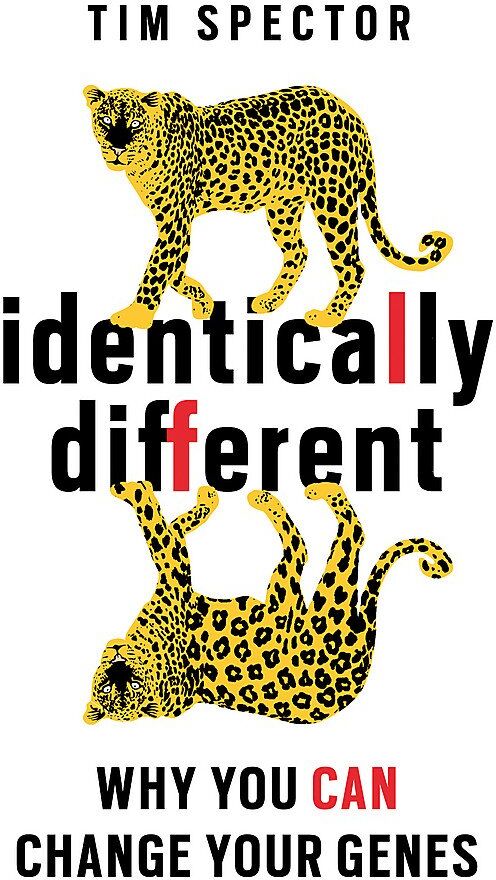
W&N (Weidenfeld & Nicolson) Identically Different: Why You Can Change Your Genes by Professor Tim Spector - Paperback - Popular Science Book on Epigenetics & Genetics for AdultsProfessor Tim Spector's 'Identically Different: Why You Can Change Your Genes' is a groundbreaking work of popular science that challenges what readers thought they knew about heredity. Drawing on decades of research into twins, epigenetics and the microbiome, Spector reveals that our genes are far less fixed than once believed. This paperback is ideal for science-curious adults, students of biology and medicine, and anyone wanting to understand how lifestyle and environment can reshape who we become, physically and behaviourally, across a lifetime. As one of the world's leading experts on twin studies, Tim Spector spent years comparing identical twins who share exactly the same DNA yet often lead startlingly different lives, developing different diseases, personalities and even political views. In 'Identically Different', he uses this research to explore the complex relationship between genetics and lifestyle, offering a fresh perspective on the nature of heredity and the potential for personal change. Published by W&N; (Weidenfeld & Nicolson), this book is a thought-provoking read for anyone interested in the latest scientific discoveries and their implications for our understanding of the human experience.2,99 £*Shipping: 2,99 £Secure redirect to the provider
-
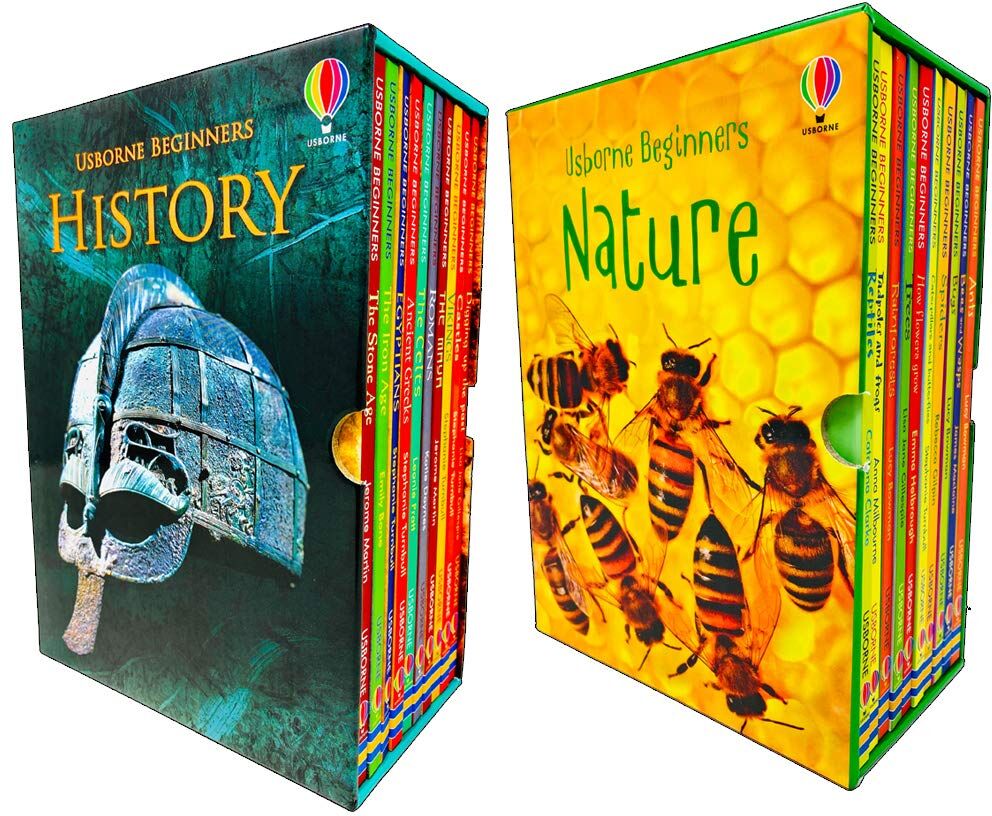
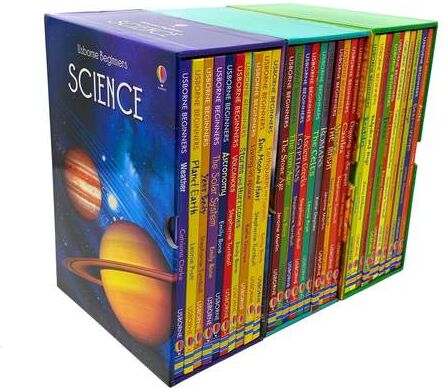
Usborne Publishing Ltd Usborne Beginners History & Usborne Beginners Nature 20 Books Collection Box SetTitles in this set: Usborne Beginners History Stone Age Iron Age Egyptians Ancient Greeks Celts Romans The Maya Vikings Castles Digging Up the Past. Usborne Beginners Nature Reptiles Tadpoles and Frogs Rainforest Trees How Flowers Grow Caterpillars and Butterflies Spiders Bugs Bees & Wasps Ants Description Stone Age This simple information book follows the history of Stone Age people and how they lived. Iron Age This simple information book charts the history of Iron Age people and how they lived, including their farming methods, the gods they prayed to and the hill forts where they lived. Egyptians Who were the ancient Egyptians? Why did they build pyramids and how were mummies made? Ancient Greeks Find out about Ancient Greece, what people wore, ate and did for fun and learn about some of the most famous philosophers and mathematicians of the age in this compelling book for beginner readers. Celts Who were the Celts exactly? Did you know they lived on top of hills? Do you have any idea how Celtic warriors made themselves look really scary in battle? Romans Who were the ancient Romans? Where did they go to eat, shop and wash? What did they do for fun? The Maya Who were the Maya? Where did they live? Why did they build tall stone temples? Vikings Find out what it was like to be a Viking, and learn about Viking homes, feasts, boats, gods and much more in this fascinating book. Castles Who lived in a castle, and what was it like? Children can find out the answers to these questions and lots more about the wonderful world of castles in this informative book. Digging Up the Past How do ancient things get buried? Who digs them up? And what do they find? Beginner readers can find answers to these questions and more in this colourful information book. Reptiles This is a fantastic brand new addition to the "Beginners" series, designed to provide an informative introduction to trees and plant-life for young readers. Tadpoles and Frogs Vivid, full colour illustrations and photographs on every page, accompanied by short, informative text. Rainforest It offers a terrific reading practice for children who prefer fact to fiction. It is developed with a reading expert from Roehampton University to help young readers grow in confidence. Trees This is a fantastic brand new addition to the 'Beginners' series, designed to provide an informative introduction to trees and plant-life for young readers. How Flowers Grow How do flowers grow in dry deserts? How do animals help to spread seeds? Which flower smells like rottng meat? Caterpillars and Butterflies Usborne Beginners are colourful information books for children beginning to read on their own. Spiders Usborne Beginners are colourful information books for children beginning to read on their own. Bugs Usborne Beginners are colourful information books for children beginning to read on their own. Bees & Wasps A slim and unintimidating book which belies its contents - a wealth of information, much of which will be...34,99 £*Shipping: 2,99 £Secure redirect to the provider


-
What is Drosophila genetics?
Drosophila genetics is the study of genetic principles and mechanisms using the fruit fly Drosophila melanogaster as a model organism. Drosophila has been a key model organism in genetics research due to its short generation time, large number of offspring, and well-characterized genome. Researchers use Drosophila genetics to study inheritance patterns, gene function, and the role of specific genes in development and disease. This research has provided valuable insights into fundamental genetic processes and has contributed to our understanding of human genetics. **
-
What is Mendelian genetics?
Mendelian genetics is a set of principles established by Gregor Mendel in the 19th century that describes the inheritance of traits from parents to offspring. These principles include the concepts of dominant and recessive alleles, segregation, and independent assortment. Mendelian genetics forms the foundation of modern genetics and helps explain how traits are passed down through generations in a predictable manner. **
-
What is forensic genetics?
Forensic genetics is a branch of genetics that involves the use of DNA analysis to help solve crimes and identify individuals involved in criminal activities. It is used to analyze biological evidence such as blood, hair, and other bodily fluids found at crime scenes. By comparing DNA profiles from crime scene evidence to those of potential suspects, forensic geneticists can provide crucial evidence in criminal investigations and court cases. This field has revolutionized the way crimes are investigated and has helped exonerate innocent individuals while bringing perpetrators to justice. **
-
How does genetics work?
Genetics is the study of genes, which are the units of heredity that are passed down from parents to offspring. Genes are made up of DNA, which contains the instructions for building and maintaining an organism. Each gene carries a specific set of instructions for a particular trait, such as eye color or height. These genes can be passed down from parents to their children, resulting in the inheritance of certain traits. Genetics also involves the study of how genes can be mutated or altered, leading to variations in traits within a population. **
Can one study genetics?
Yes, one can study genetics. Genetics is the study of genes, heredity, and genetic variation in living organisms. It is a field of biology that has a wide range of applications, from understanding inherited diseases to developing genetically modified organisms. Many universities and research institutions offer programs and courses in genetics, allowing individuals to pursue a career in this field. Additionally, with advancements in technology, such as gene sequencing and gene editing, the study of genetics continues to be an exciting and rapidly evolving field. **
What is population genetics?
Population genetics is the study of genetic variation within and between populations of organisms. It examines how genetic traits are passed down through generations, and how they change over time due to factors such as natural selection, genetic drift, and gene flow. Population genetics also explores the distribution of genetic diversity within and between populations, and how this diversity can influence the evolutionary processes of adaptation and speciation. This field is important for understanding the genetic basis of traits, the dynamics of populations, and the evolutionary history of species. **
Top-Angebote
Products related to Genetics:
-
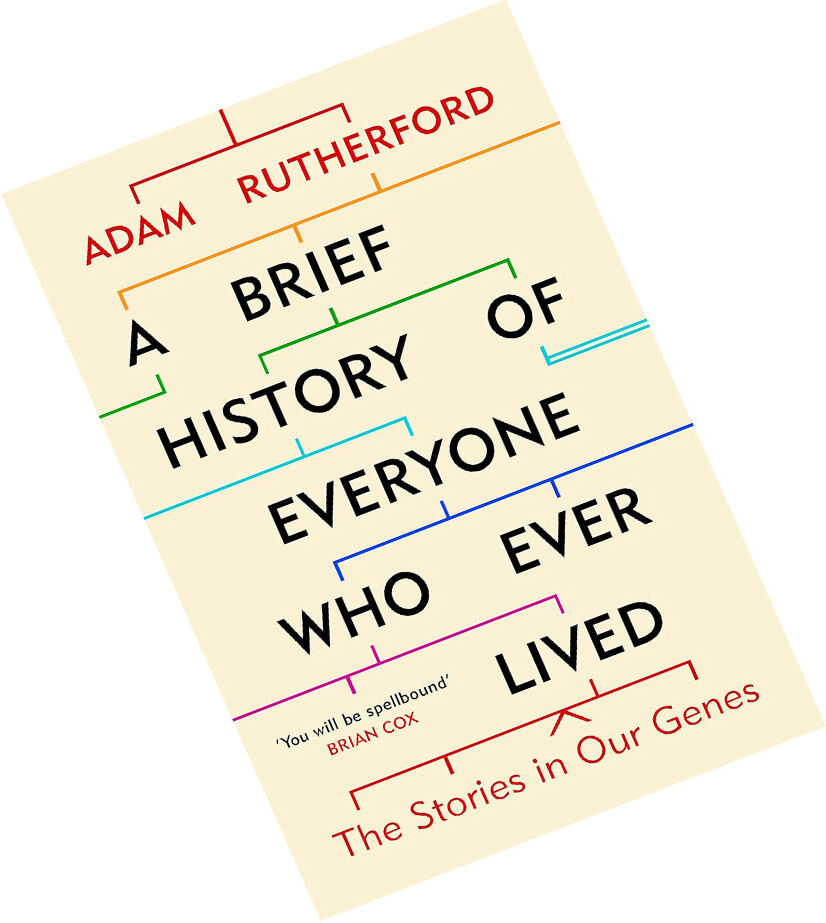
Weidenfeld & Nicolson A Brief History of Everyone Who Ever Lived by Adam Rutherford - Paperback - Popular Science Genetics BestsellerA Brief History of Everyone Who Ever Lived is a captivating exploration of what our DNA reveals about the shared story of humanity. Geneticist and broadcaster Adam Rutherford blends cutting-edge genetics with history to trace migration, disease, war, and love through the code written into every cell. This book is a tour through the expanding landscape of genetic science, showing how our genes encode the history of our species: births, deaths, disease, famine, migration, and countless generations of reproduction. Rutherford examines what genetics can tell us about Neanderthals and our own human history, making this a fascinating read for anyone curious about where we come from and what makes us human. Published by Weidenfeld & Nicolson, this paperback book is a record of an extraordinary journey, and every human genome is a testament to the shared story of our species.4,99 £*Shipping: 2,99 £Secure redirect to the provider
-
Icon Books The Epigenetics Revolution - How Modern Biology Is Rewriting Our Understanding Of Genetics Disease..At the beginning of this century enormous progress had been made in genetics. The Human Genome Project finished sequencing human DNA. It seemed it was only a matter of time until we had all the answers to the secrets of life on this planet.6,95 £*Shipping: 2,99 £Secure redirect to the provider
-
Orion Gene Eating: The Story of Human Appetite by Dr Giles Yeo - Paperback Popular Science Book on Genetics, Appetite & Diet MythsGene Eating: The Story of Human Appetite is a thought-provoking book by Dr Giles Yeo, a Cambridge geneticist. In this book, Yeo delves into the biology behind hunger, cravings, and weight gain, drawing on two decades of genetic research. He explores the genuine biological mechanisms, including hormones, brain signalling, and inherited genetic variation, that shape how hungry we feel and how our bodies store energy. This book offers a science-backed perspective on appetite, metabolism, and obesity, making it an essential read for anyone looking for clarity on these topics. Written by Dr Giles Yeo, a molecular geneticist, Gene Eating is a well-researched and insightful book that provides a deeper understanding of the complex issues surrounding human appetite.2,99 £*Shipping: 2,99 £Secure redirect to the provider
-
W&N (Weidenfeld & Nicolson) Professor Tim Spector 2 Books Collection Set - The Diet Myth & Identically Different - Paperback Science Books - Gut Health & GeneticsThis 2-book collection set brings together two of Professor Tim Spector's most acclaimed works of popular science. The Diet Myth explores the world of gut bacteria and why fad diets fail, while Identically Different investigates how genes are more flexible than once believed. The books form a compelling pairing for anyone interested in health, biology, and what shapes who we are. The Diet Myth challenges conventional wisdom on fat, calories, vitamins, and nutrients by examining the trillions of microbes living inside us. Drawing on cutting-edge science and the author's pioneering research, this collection offers a thought-provoking look at the complex relationships between our bodies and the world around us. The books are published by Weidenfeld & Nicolson and are in brand new paperback format.8,99 £*Shipping: 2,99 £Secure redirect to the provider
-
What is genetics?
Genetics is the study of genes, heredity, and variation in living organisms. It involves understanding how traits are passed down from one generation to the next through the transmission of genetic information. Genetics also explores the role of genes in determining an organism's physical and behavioral characteristics, as well as how genetic variations can lead to differences among individuals within a species. This field of science has important implications for medicine, agriculture, and evolutionary biology. **
-
What is the difference between molecular biology, genetics, and molecular genetics?
Molecular biology is the study of the molecular mechanisms underlying biological processes, including the interactions between DNA, RNA, proteins, and other molecules involved in genetic expression and regulation. Genetics is the study of genes, heredity, and variation in living organisms, including the study of how traits are passed from one generation to the next. Molecular genetics is a subfield of genetics that focuses on the molecular structure and function of genes at a cellular and molecular level, including the study of how genes are expressed, replicated, and regulated. In summary, molecular biology focuses on the molecular mechanisms of biological processes, genetics focuses on the inheritance and variation of traits, and molecular genetics focuses on the molecular structure and function of genes. **
-
What is Drosophila genetics?
Drosophila genetics is the study of genetic principles and mechanisms using the fruit fly Drosophila melanogaster as a model organism. Drosophila has been a key model organism in genetics research due to its short generation time, large number of offspring, and well-characterized genome. Researchers use Drosophila genetics to study inheritance patterns, gene function, and the role of specific genes in development and disease. This research has provided valuable insights into fundamental genetic processes and has contributed to our understanding of human genetics. **
-
What is Mendelian genetics?
Mendelian genetics is a set of principles established by Gregor Mendel in the 19th century that describes the inheritance of traits from parents to offspring. These principles include the concepts of dominant and recessive alleles, segregation, and independent assortment. Mendelian genetics forms the foundation of modern genetics and helps explain how traits are passed down through generations in a predictable manner. **
Similar search terms for Genetics
-
W&N (Weidenfeld & Nicolson) Identically Different: Why You Can Change Your Genes by Professor Tim Spector - Paperback - Popular Science Book on Epigenetics & Genetics for AdultsProfessor Tim Spector's 'Identically Different: Why You Can Change Your Genes' is a groundbreaking work of popular science that challenges what readers thought they knew about heredity. Drawing on decades of research into twins, epigenetics and the microbiome, Spector reveals that our genes are far less fixed than once believed. This paperback is ideal for science-curious adults, students of biology and medicine, and anyone wanting to understand how lifestyle and environment can reshape who we become, physically and behaviourally, across a lifetime. As one of the world's leading experts on twin studies, Tim Spector spent years comparing identical twins who share exactly the same DNA yet often lead startlingly different lives, developing different diseases, personalities and even political views. In 'Identically Different', he uses this research to explore the complex relationship between genetics and lifestyle, offering a fresh perspective on the nature of heredity and the potential for personal change. Published by W&N; (Weidenfeld & Nicolson), this book is a thought-provoking read for anyone interested in the latest scientific discoveries and their implications for our understanding of the human experience.2,99 £*Shipping: 2,99 £Secure redirect to the provider
-
Usborne Publishing Ltd Usborne Beginners History & Usborne Beginners Nature 20 Books Collection Box SetTitles in this set: Usborne Beginners History Stone Age Iron Age Egyptians Ancient Greeks Celts Romans The Maya Vikings Castles Digging Up the Past. Usborne Beginners Nature Reptiles Tadpoles and Frogs Rainforest Trees How Flowers Grow Caterpillars and Butterflies Spiders Bugs Bees & Wasps Ants Description Stone Age This simple information book follows the history of Stone Age people and how they lived. Iron Age This simple information book charts the history of Iron Age people and how they lived, including their farming methods, the gods they prayed to and the hill forts where they lived. Egyptians Who were the ancient Egyptians? Why did they build pyramids and how were mummies made? Ancient Greeks Find out about Ancient Greece, what people wore, ate and did for fun and learn about some of the most famous philosophers and mathematicians of the age in this compelling book for beginner readers. Celts Who were the Celts exactly? Did you know they lived on top of hills? Do you have any idea how Celtic warriors made themselves look really scary in battle? Romans Who were the ancient Romans? Where did they go to eat, shop and wash? What did they do for fun? The Maya Who were the Maya? Where did they live? Why did they build tall stone temples? Vikings Find out what it was like to be a Viking, and learn about Viking homes, feasts, boats, gods and much more in this fascinating book. Castles Who lived in a castle, and what was it like? Children can find out the answers to these questions and lots more about the wonderful world of castles in this informative book. Digging Up the Past How do ancient things get buried? Who digs them up? And what do they find? Beginner readers can find answers to these questions and more in this colourful information book. Reptiles This is a fantastic brand new addition to the "Beginners" series, designed to provide an informative introduction to trees and plant-life for young readers. Tadpoles and Frogs Vivid, full colour illustrations and photographs on every page, accompanied by short, informative text. Rainforest It offers a terrific reading practice for children who prefer fact to fiction. It is developed with a reading expert from Roehampton University to help young readers grow in confidence. Trees This is a fantastic brand new addition to the 'Beginners' series, designed to provide an informative introduction to trees and plant-life for young readers. How Flowers Grow How do flowers grow in dry deserts? How do animals help to spread seeds? Which flower smells like rottng meat? Caterpillars and Butterflies Usborne Beginners are colourful information books for children beginning to read on their own. Spiders Usborne Beginners are colourful information books for children beginning to read on their own. Bugs Usborne Beginners are colourful information books for children beginning to read on their own. Bees & Wasps A slim and unintimidating book which belies its contents - a wealth of information, much of which will be...34,99 £*Shipping: 2,99 £Secure redirect to the provider
-
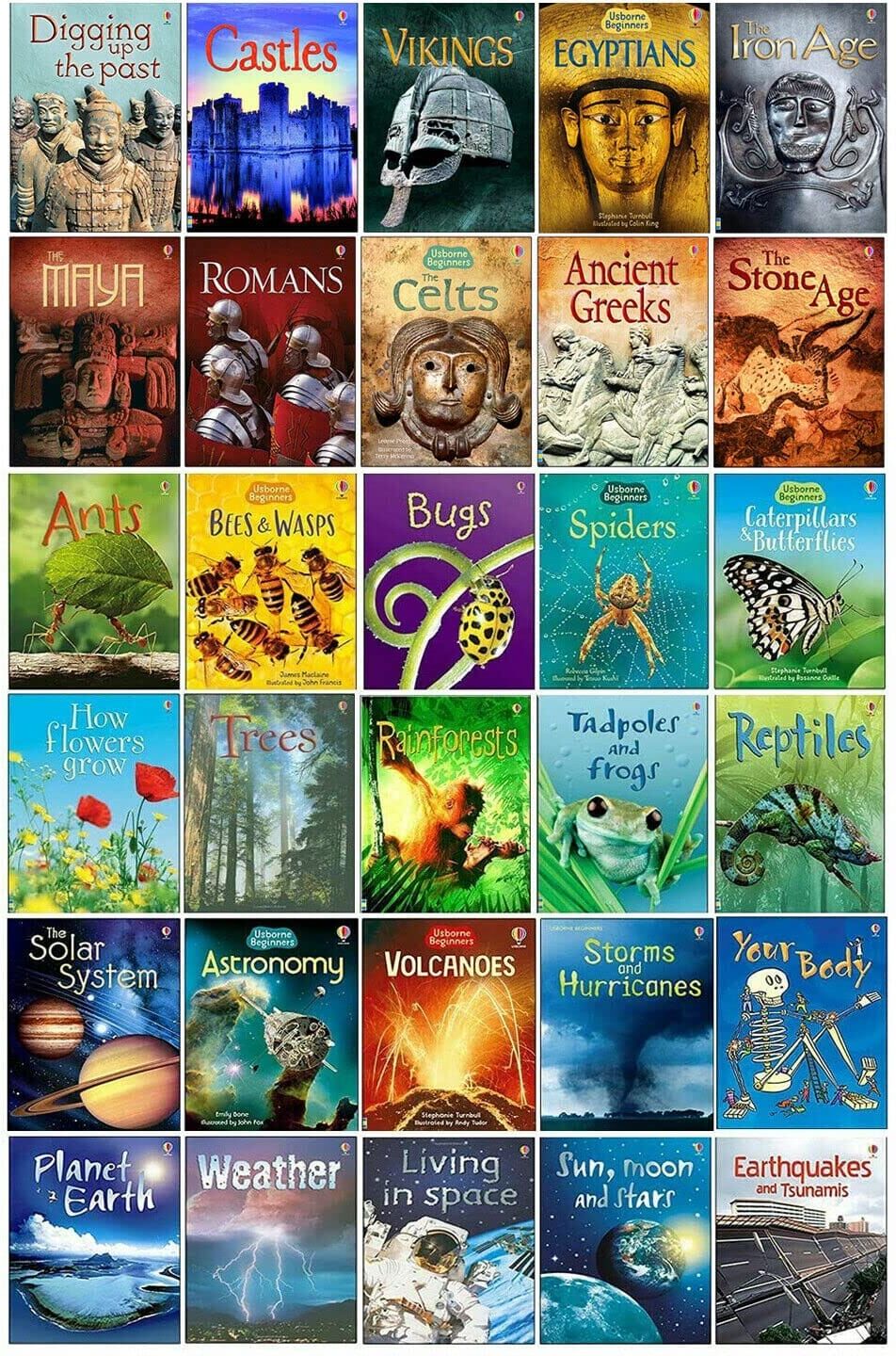
Usborne Beginners Nature, Science & History Collection 30 Books Set - Ages 4-10 - Paperback Usborne Publishing LtdTitles in This Set: Usborne Beginners Nature 10 Books: 1. Ants 2. Bees & Wasps 3. Bugs 4. Spiders 5. Tadpoles and Frogs 6. Caterpillars and Butterflies 7. How Flowers Grow 8. Trees 9. Rainforest 10. Reptiles Usborne Beginners Science 10 Books: 1. Earthquakes & Tsunamis 2. Sun Moon and Stars 3. Living in Space 4. Storms and Hurricanes 5. Volcanoes 6. Astronomy 7. The Solar System 8. Your Body 9. Planet Earth 10. Weather Usborne Beginners History 10 Books: Titles in This Set: 1. Ancient Greeks 2. Castles 3. Celts 4. Digging Up the Past 5. Egyptians 6. Iron Age 7. Maya 8. Romans 9. Stone Age 10. Vikings Description : Usborne Beginners Nature 10 Books Ants Where do ants live? What do they eat? How much weight can they carry? Little children can find out the answers to these questions and much more in this simple introduction to the world of ants. Bees & Wasps What do bees and wasps eat? What type of nests do they make? How do bees make honey? Find out the answers and lots more in this intriguing introduction to the fascinating world of bees and wasps. Bugs ''There are all kinds of different bugs. Some can jump up high. Other bugs have lots of legs.” Bugs is part of an exciting reading series for young children, with lots of pictures and very simple text. Spiders “Spiders have eight legs. Most of them have eight eyes, but some of them can’t see very well.” Learn all about spiders in this great book for children learning to read by themselves. Tadpoles and Frogs From egg to frog, find out about the entire life cycle of a frog in this easy-to-read fully illustrated book for young learners ages 4+. It comes complete with weblinks so you can see the process for yourself. Caterpillars and Butterflies A beautifully illustrated introduction to the life of butterflies and caterpillars, with easy to read text for beginner readers. The life cycle of a butterfly is shown with stunning photographs and illustrations, and there are links to carefully selected websites with videos that show butterflies emerging from their pupae. How Flowers Grow How do flowers grow in dry deserts? How do animals help to spread seeds? Which flower smells like rotting meat? Find out in this great book for young readers ages four and up. Trees How do trees use their leaves to make food? Why do they grow flowers and fruit? Which animals live inside a tree trunk and build nests in its branches? How can we help to protect trees? This book has all the answers and much more, along with photographs, step-by-step illustrations, simple text and links to websites with video clips and activities. Rainforests Learn all about the rainforest in this fantastic easy-to-read book for children 4+ beginning to strike out on their own. From towering trees to rainforest rivers, this fully-illustrated book also features links to carefully selected websites. Reptiles Learn all about the lizard world in this fully-illustrated guide, the latest in the Usborne Beginners series. From scaly skin to tongue tricks...42,75 £*Shipping: 0,00 £Secure redirect to the provider
-
Usborne Beginners Series – 30 Book Collection Box Set Children’s Educational Books (History, Nature & Science) KS1 KS2Usborne Beginners Series 30 Books Collection Box Set (History- Nature- Science) Build a strong foundation in knowledge and reading with the Usborne Beginners Series – 30 Books Collection Box Set, published by Usborne. This comprehensive educational collection introduces children to a wide range of topics across history, science, and nature, using clear language, engaging illustrations, and structured layouts designed for young learners. Perfectly suited for KS1 and KS2 pupils, these books support both curriculum learning and independent reading. From natural disasters and wildlife to historical events and scientific discoveries, the series encourages curiosity, critical thinking, and a love of learning. Description Titles in this set: History Stone Age Iron Age Egyptians Ancient Greeks Celts Romans The Maya Vikings Castles Digging Up the Past Nature Reptiles Tadpoles and Frogs Rainforest Trees How Flowers Grow Caterpillars and Butterflies Spiders Bugs Bees & Wasps Ants Science Earthquakes & Tsunamis Sun Moon and Stars Living in Space Storms and Hurricanes Volcanoes Astronomy The Solar System Your Body Planet Earth Weather Related Tags: Usborne, Usbourne42,75 £*Shipping: 0,00 £Secure redirect to the provider
-
What is forensic genetics?
Forensic genetics is a branch of genetics that involves the use of DNA analysis to help solve crimes and identify individuals involved in criminal activities. It is used to analyze biological evidence such as blood, hair, and other bodily fluids found at crime scenes. By comparing DNA profiles from crime scene evidence to those of potential suspects, forensic geneticists can provide crucial evidence in criminal investigations and court cases. This field has revolutionized the way crimes are investigated and has helped exonerate innocent individuals while bringing perpetrators to justice. **
-
How does genetics work?
Genetics is the study of genes, which are the units of heredity that are passed down from parents to offspring. Genes are made up of DNA, which contains the instructions for building and maintaining an organism. Each gene carries a specific set of instructions for a particular trait, such as eye color or height. These genes can be passed down from parents to their children, resulting in the inheritance of certain traits. Genetics also involves the study of how genes can be mutated or altered, leading to variations in traits within a population. **
-
Can one study genetics?
Yes, one can study genetics. Genetics is the study of genes, heredity, and genetic variation in living organisms. It is a field of biology that has a wide range of applications, from understanding inherited diseases to developing genetically modified organisms. Many universities and research institutions offer programs and courses in genetics, allowing individuals to pursue a career in this field. Additionally, with advancements in technology, such as gene sequencing and gene editing, the study of genetics continues to be an exciting and rapidly evolving field. **
-
What is population genetics?
Population genetics is the study of genetic variation within and between populations of organisms. It examines how genetic traits are passed down through generations, and how they change over time due to factors such as natural selection, genetic drift, and gene flow. Population genetics also explores the distribution of genetic diversity within and between populations, and how this diversity can influence the evolutionary processes of adaptation and speciation. This field is important for understanding the genetic basis of traits, the dynamics of populations, and the evolutionary history of species. **
* All prices are inclusive of VAT and, if applicable, plus shipping costs. The offer information is based on the details provided by the respective shop and is updated through automated processes. Real-time updates do not occur, so deviations can occur in individual cases. ** Note: Parts of this content were created by AI.