Buy pernitz.co.at ?
We are moving the project
pernitz.co.at .
Are you interested in purchasing the domain
pernitz.co.at ?
domain@kv-gmbh.de · 0541-91531010
Buy pernitz.co.at ?
How do you remove sebaceous filaments?
Sebaceous filaments are a natural part of the skin and cannot be permanently removed. However, they can be minimized by regularly cleansing the skin with a gentle cleanser to prevent the buildup of oil and debris. Exfoliating the skin with a gentle exfoliant containing salicylic acid or using a clay mask can help to unclog pores and reduce the appearance of sebaceous filaments. It is important to avoid harsh scrubbing or squeezing, as this can irritate the skin and make the issue worse. **
'How do you remove LED filaments?'
To remove LED filaments, first make sure the power is turned off to the fixture. Then, carefully unscrew the LED bulb from the socket in a counterclockwise direction. If the LED bulb is stuck, you can use a cloth or rubber gloves to get a better grip and gently twist it out. Once the bulb is removed, dispose of it properly according to local regulations for electronic waste. **

Similar search terms for Filaments
Top-Angebote
Products related to Filaments:
-
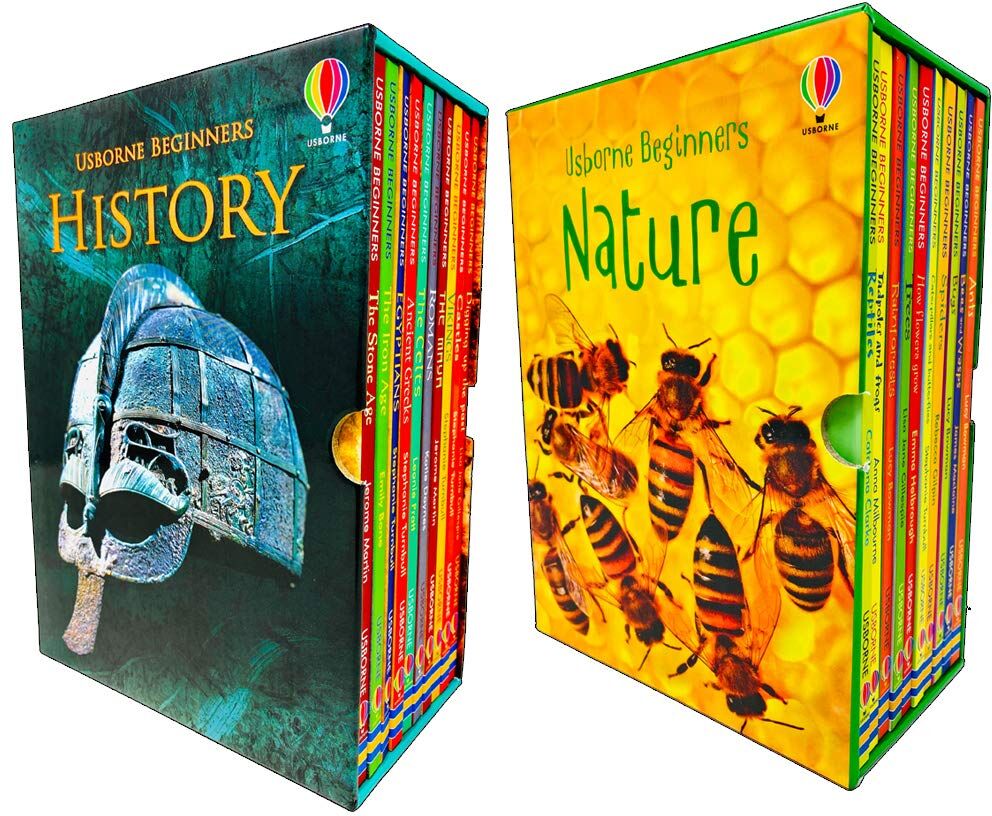
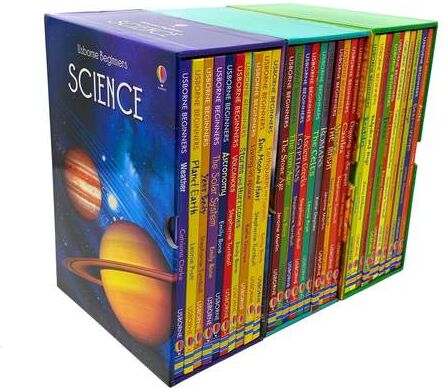
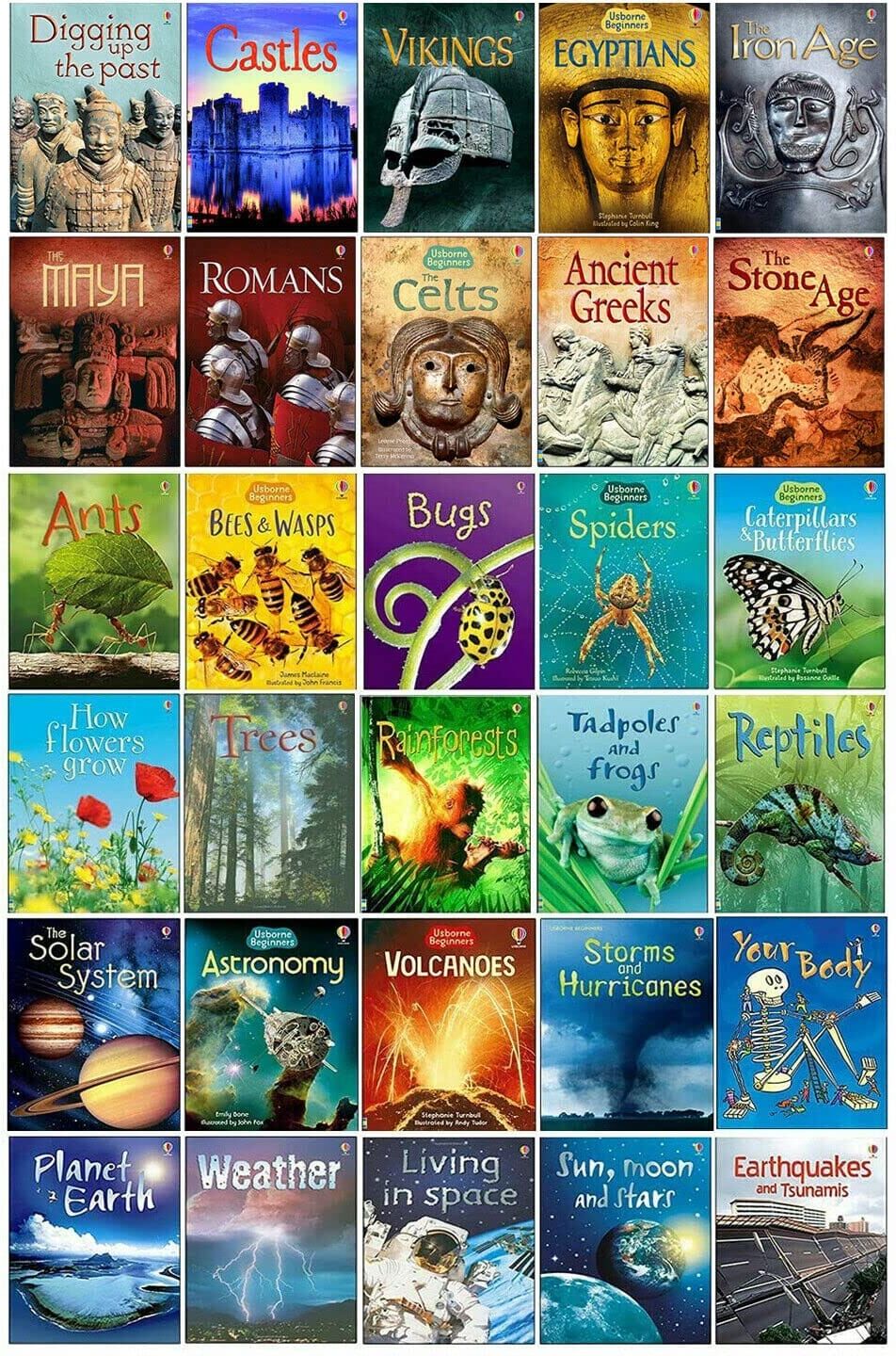
Usborne Beginners Series – 30 Book Collection Box Set Children’s Educational Books (History, Nature & Science) KS1 KS2Usborne Beginners Series 30 Books Collection Box Set (History- Nature- Science) Build a strong foundation in knowledge and reading with the Usborne Beginners Series – 30 Books Collection Box Set, published by Usborne. This comprehensive educational collection introduces children to a wide range of topics across history, science, and nature, using clear language, engaging illustrations, and structured layouts designed for young learners. Perfectly suited for KS1 and KS2 pupils, these books support both curriculum learning and independent reading. From natural disasters and wildlife to historical events and scientific discoveries, the series encourages curiosity, critical thinking, and a love of learning. Description Titles in this set: History Stone Age Iron Age Egyptians Ancient Greeks Celts Romans The Maya Vikings Castles Digging Up the Past Nature Reptiles Tadpoles and Frogs Rainforest Trees How Flowers Grow Caterpillars and Butterflies Spiders Bugs Bees & Wasps Ants Science Earthquakes & Tsunamis Sun Moon and Stars Living in Space Storms and Hurricanes Volcanoes Astronomy The Solar System Your Body Planet Earth Weather Related Tags: Usborne, Usbourne42,75 £*Shipping: 0,00 £Secure redirect to the provider
-
Usborne Beginners Nature, Science & History Collection 30 Books Set - Ages 4-10 - Paperback Usborne Publishing LtdTitles in This Set: Usborne Beginners Nature 10 Books: 1. Ants 2. Bees & Wasps 3. Bugs 4. Spiders 5. Tadpoles and Frogs 6. Caterpillars and Butterflies 7. How Flowers Grow 8. Trees 9. Rainforest 10. Reptiles Usborne Beginners Science 10 Books: 1. Earthquakes & Tsunamis 2. Sun Moon and Stars 3. Living in Space 4. Storms and Hurricanes 5. Volcanoes 6. Astronomy 7. The Solar System 8. Your Body 9. Planet Earth 10. Weather Usborne Beginners History 10 Books: Titles in This Set: 1. Ancient Greeks 2. Castles 3. Celts 4. Digging Up the Past 5. Egyptians 6. Iron Age 7. Maya 8. Romans 9. Stone Age 10. Vikings Description : Usborne Beginners Nature 10 Books Ants Where do ants live? What do they eat? How much weight can they carry? Little children can find out the answers to these questions and much more in this simple introduction to the world of ants. Bees & Wasps What do bees and wasps eat? What type of nests do they make? How do bees make honey? Find out the answers and lots more in this intriguing introduction to the fascinating world of bees and wasps. Bugs ''There are all kinds of different bugs. Some can jump up high. Other bugs have lots of legs.” Bugs is part of an exciting reading series for young children, with lots of pictures and very simple text. Spiders “Spiders have eight legs. Most of them have eight eyes, but some of them can’t see very well.” Learn all about spiders in this great book for children learning to read by themselves. Tadpoles and Frogs From egg to frog, find out about the entire life cycle of a frog in this easy-to-read fully illustrated book for young learners ages 4+. It comes complete with weblinks so you can see the process for yourself. Caterpillars and Butterflies A beautifully illustrated introduction to the life of butterflies and caterpillars, with easy to read text for beginner readers. The life cycle of a butterfly is shown with stunning photographs and illustrations, and there are links to carefully selected websites with videos that show butterflies emerging from their pupae. How Flowers Grow How do flowers grow in dry deserts? How do animals help to spread seeds? Which flower smells like rotting meat? Find out in this great book for young readers ages four and up. Trees How do trees use their leaves to make food? Why do they grow flowers and fruit? Which animals live inside a tree trunk and build nests in its branches? How can we help to protect trees? This book has all the answers and much more, along with photographs, step-by-step illustrations, simple text and links to websites with video clips and activities. Rainforests Learn all about the rainforest in this fantastic easy-to-read book for children 4+ beginning to strike out on their own. From towering trees to rainforest rivers, this fully-illustrated book also features links to carefully selected websites. Reptiles Learn all about the lizard world in this fully-illustrated guide, the latest in the Usborne Beginners series. From scaly skin to tongue tricks...42,75 £*Shipping: 0,00 £Secure redirect to the provider
-
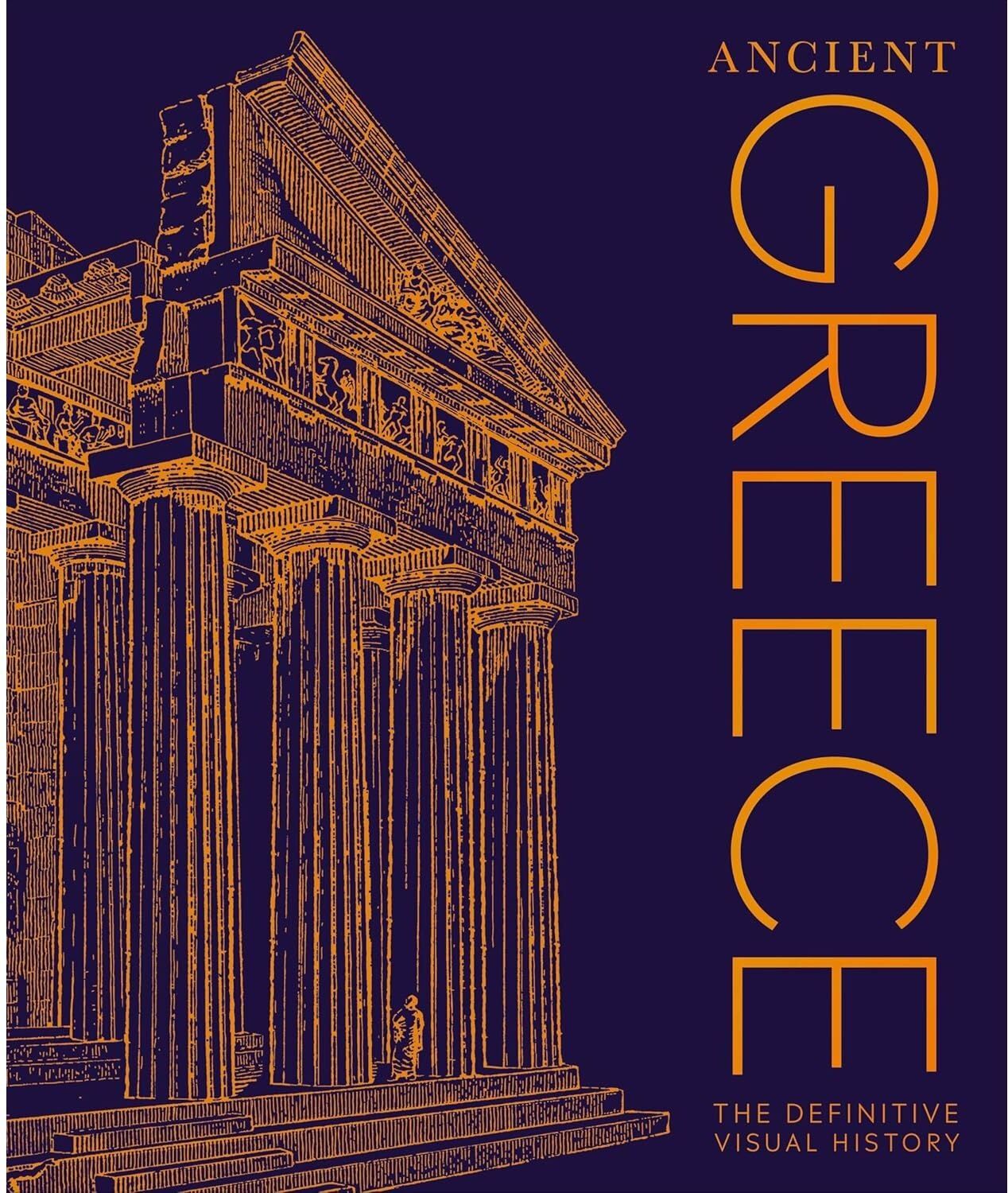
Ancient Greece: The Definitive Visual History (DK Classic History)Embark upon a fascinating journey through ancient Greece – from its rise and fall to its lasting legacy throughout the Western world. Spanning more than 3,000 years, Ancient Greece explores the tumultuous history of this glorious empire in vivid detail – from its Minoan and Mycenaean origins to the apogee of the warring city-states of Athens and Sparta, and from the death of its most charismatic leader, Alexander the Great, to its ultimate defeat by Rome. Sumptuous photography and authoritative, engaging text cover every facet of life in ancient Greece, from art, entertainment, and schools of thought to politics, medicine, and war, while the myths and religious beliefs of the ancient culture are explored and explained in depth. Greece’s military and political power shines through in fascinating maps of its legendary battles. Buried palaces and the Athenian Agora where Plato and Socrates discussed philosophy are brought back to life with stunning CGI artworks. And the stories of everyone from ordinary citizens to lawmakers and the first Olympic athletes are retold through eyewitness accounts and original artefacts.19,99 £*Shipping: 2,99 £Secure redirect to the provider
-
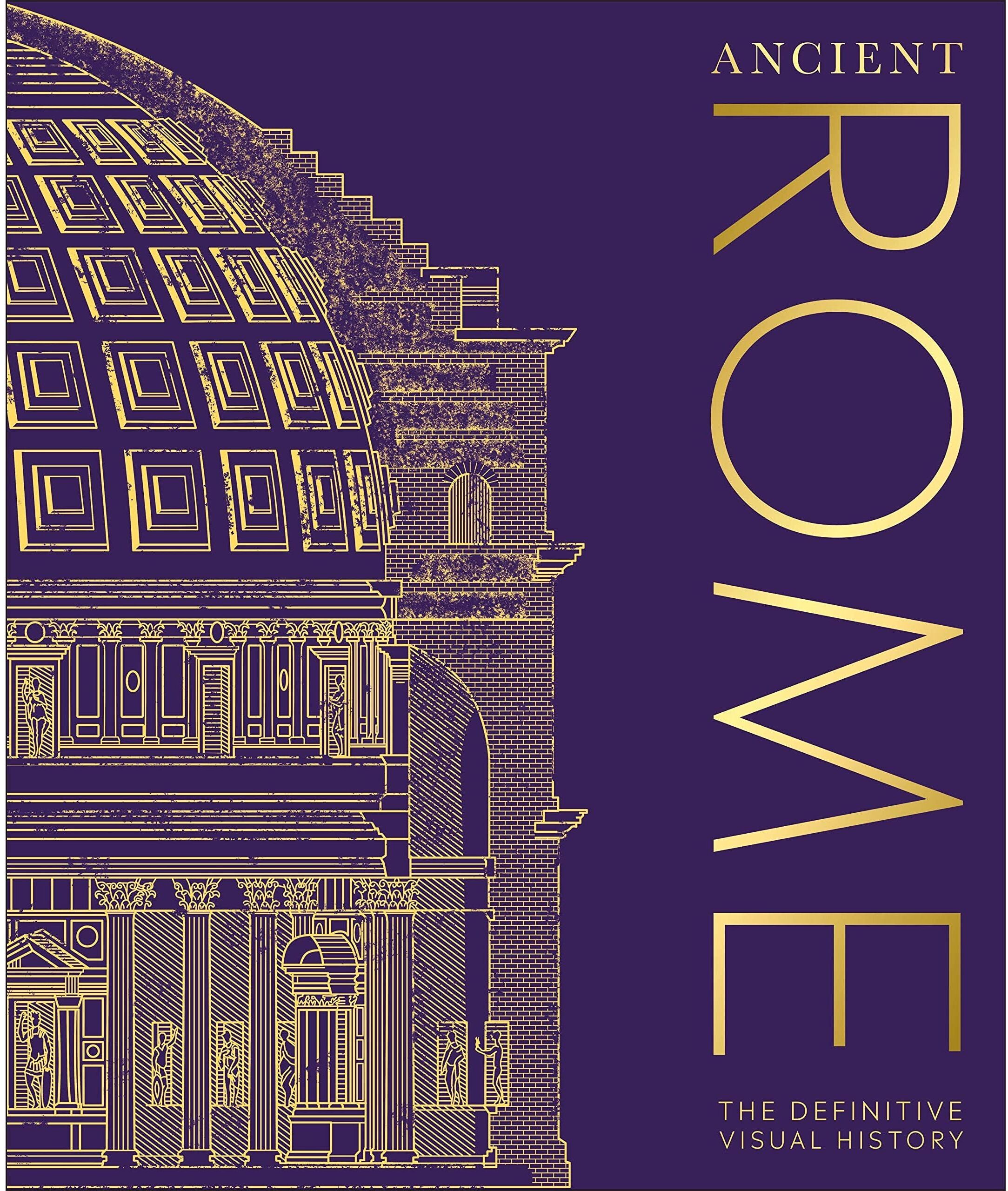
Ancient Rome: The Definitive Visual History (DK Classic History)Immerse yourself in the history of ancient Rome - from its origins as a small settlement on the Palatine Hill to its peak as an empire reigning over 90 million people, and its tumultuous decline. Covering more than 1,000 years of history, and an empire that stretched from Scotland to Syria, Ancient Rome reveals in vivid detail all of the key political, cultural, and military events that shaped the Roman Empire and explores what it was like to live in a society that laid the foundations for many aspects of the modern world. Sumptuous photography and engaging text cover every facet of life in ancient Rome, from art, entertainment, and fashion to engineering, medicine, and war, while detailed maps trace the rise of the mighty Roman Empire. Step back in time in the pages of this history book to discover:- Themed spreads explore developments in areas such as sculpture, religion, warfare, and engineering. - Includes tales of the most dramatic events and battles in Roman history, as well as profiles of influential historical and cultural figures. - An optional 80pp reference section includes sections on rulers, gods and goddesses, and key sites. Featuring Rome's greatest emperors, from Augustus to Constantine, as well as profiles of generals, historians, and influential women, Ancient Rome also delves into the fascinating stories of gladiators, bakers, and enslaved people. The most iconic buildings of Rome are brought to life with specially commissioned CGI recreations, while the stories of ordinary citizens, soldiers, and persecuted groups from across the empire are told with the help of illustrations, artefacts, and eyewitness accounts. Beautifully illustrated and unparalleled in scope, Ancient Rome is the perfect book for anyone who is interested in this defining period of world history.19,95 £*Shipping: 2,99 £Secure redirect to the provider
-
How are brown stars formed in filaments?
Brown stars are formed in filaments through a process called fragmentation. Filaments are long, thin structures of gas and dust in space where gravity can cause regions of higher density to collapse and form stars. In the case of brown stars, the collapsing region does not have enough mass to sustain nuclear fusion like a regular star, resulting in a dimmer, cooler object known as a brown dwarf. These brown stars continue to form within the filaments as long as there is enough material and gravitational forces at play. **
-
How do brown stars form in filaments?
Brown stars can form in filaments through the process of gravitational collapse. Filaments are long, thin structures of gas and dust in space, and when the density of the material within a filament becomes high enough, it can trigger the collapse of the gas and dust to form a brown star. As the material collapses, it heats up and begins to glow, eventually reaching the temperature and density necessary to sustain nuclear fusion, at which point it becomes a brown star. The formation of brown stars in filaments is a natural consequence of the gravitational interactions and dynamics of the interstellar medium. **
-
Why are the filaments in lamps made of tungsten?
Filaments in lamps are made of tungsten because tungsten has a very high melting point, around 3,422 degrees Celsius, which allows it to withstand the high temperatures generated when electricity passes through the filament, causing it to glow and produce light. Tungsten is also a very strong and durable material, making it ideal for withstanding the repeated heating and cooling cycles that occur when a lamp is turned on and off. Additionally, tungsten has a low rate of evaporation, which helps to maintain the longevity of the filament and prolong the life of the lamp. **
-
Do I have sebaceous filaments on my nose and cheeks?
Sebaceous filaments are a natural part of the skin's structure and are commonly found on the nose and cheeks. They are often mistaken for blackheads, but they are actually a combination of sebum and dead skin cells. If you notice small, pin-sized dots on your nose and cheeks that are slightly raised and appear yellow or gray in color, you likely have sebaceous filaments. It's important to note that sebaceous filaments are normal and not a cause for concern, but if you have any concerns about your skin, it's best to consult with a dermatologist for personalized advice. **

What can I do to get rid of follicle filaments?
To get rid of follicle filaments, you can try using a gentle exfoliating scrub or cleanser to help remove the buildup of dead skin cells and oil that can contribute to their appearance. You can also incorporate products containing salicylic acid or retinoids into your skincare routine to help keep the follicles clear. Additionally, maintaining a consistent skincare routine, avoiding heavy or pore-clogging products, and keeping your skin well-hydrated can also help minimize the appearance of follicle filaments. If you have persistent concerns, it may be helpful to consult with a dermatologist for personalized recommendations. **
Can incandescent light bulbs with filaments break due to improper storage?
Yes, incandescent light bulbs with filaments can break due to improper storage. If they are stored in a place where they can be easily knocked over or bumped, they are at risk of breaking. Additionally, if they are stored in an area with extreme temperature fluctuations or high humidity, the filaments can become weakened and more prone to breaking. It is important to store incandescent light bulbs in a secure, stable location with consistent temperature and humidity levels to prevent breakage. **
Top-Angebote
Products related to Filaments:
-
Multisell Products Hub Filaments Dry Box For Material Printer, Filament Dehydrator Spool Holder uk PlugPreserve Your Filament Quality The Filament Dehydrator Spool Holder and Filaments Dry Box for Material Printer provide an essential solution to preserve your filaments from moisture damage. By ensuring the filament stays dry, you can maintain its...129,97 $*Shipping: 0,00 $Secure redirect to the provider
-
Usborne Publishing Ltd Usborne Beginners History & Usborne Beginners Nature 20 Books Collection Box SetTitles in this set: Usborne Beginners History Stone Age Iron Age Egyptians Ancient Greeks Celts Romans The Maya Vikings Castles Digging Up the Past. Usborne Beginners Nature Reptiles Tadpoles and Frogs Rainforest Trees How Flowers Grow Caterpillars and Butterflies Spiders Bugs Bees & Wasps Ants Description Stone Age This simple information book follows the history of Stone Age people and how they lived. Iron Age This simple information book charts the history of Iron Age people and how they lived, including their farming methods, the gods they prayed to and the hill forts where they lived. Egyptians Who were the ancient Egyptians? Why did they build pyramids and how were mummies made? Ancient Greeks Find out about Ancient Greece, what people wore, ate and did for fun and learn about some of the most famous philosophers and mathematicians of the age in this compelling book for beginner readers. Celts Who were the Celts exactly? Did you know they lived on top of hills? Do you have any idea how Celtic warriors made themselves look really scary in battle? Romans Who were the ancient Romans? Where did they go to eat, shop and wash? What did they do for fun? The Maya Who were the Maya? Where did they live? Why did they build tall stone temples? Vikings Find out what it was like to be a Viking, and learn about Viking homes, feasts, boats, gods and much more in this fascinating book. Castles Who lived in a castle, and what was it like? Children can find out the answers to these questions and lots more about the wonderful world of castles in this informative book. Digging Up the Past How do ancient things get buried? Who digs them up? And what do they find? Beginner readers can find answers to these questions and more in this colourful information book. Reptiles This is a fantastic brand new addition to the "Beginners" series, designed to provide an informative introduction to trees and plant-life for young readers. Tadpoles and Frogs Vivid, full colour illustrations and photographs on every page, accompanied by short, informative text. Rainforest It offers a terrific reading practice for children who prefer fact to fiction. It is developed with a reading expert from Roehampton University to help young readers grow in confidence. Trees This is a fantastic brand new addition to the 'Beginners' series, designed to provide an informative introduction to trees and plant-life for young readers. How Flowers Grow How do flowers grow in dry deserts? How do animals help to spread seeds? Which flower smells like rottng meat? Caterpillars and Butterflies Usborne Beginners are colourful information books for children beginning to read on their own. Spiders Usborne Beginners are colourful information books for children beginning to read on their own. Bugs Usborne Beginners are colourful information books for children beginning to read on their own. Bees & Wasps A slim and unintimidating book which belies its contents - a wealth of information, much of which will be...34,99 £*Shipping: 2,99 £Secure redirect to the provider
-
Usborne Beginners Series – 30 Book Collection Box Set Children’s Educational Books (History, Nature & Science) KS1 KS2Usborne Beginners Series 30 Books Collection Box Set (History- Nature- Science) Build a strong foundation in knowledge and reading with the Usborne Beginners Series – 30 Books Collection Box Set, published by Usborne. This comprehensive educational collection introduces children to a wide range of topics across history, science, and nature, using clear language, engaging illustrations, and structured layouts designed for young learners. Perfectly suited for KS1 and KS2 pupils, these books support both curriculum learning and independent reading. From natural disasters and wildlife to historical events and scientific discoveries, the series encourages curiosity, critical thinking, and a love of learning. Description Titles in this set: History Stone Age Iron Age Egyptians Ancient Greeks Celts Romans The Maya Vikings Castles Digging Up the Past Nature Reptiles Tadpoles and Frogs Rainforest Trees How Flowers Grow Caterpillars and Butterflies Spiders Bugs Bees & Wasps Ants Science Earthquakes & Tsunamis Sun Moon and Stars Living in Space Storms and Hurricanes Volcanoes Astronomy The Solar System Your Body Planet Earth Weather Related Tags: Usborne, Usbourne42,75 £*Shipping: 0,00 £Secure redirect to the provider
-
Usborne Beginners Nature, Science & History Collection 30 Books Set - Ages 4-10 - Paperback Usborne Publishing LtdTitles in This Set: Usborne Beginners Nature 10 Books: 1. Ants 2. Bees & Wasps 3. Bugs 4. Spiders 5. Tadpoles and Frogs 6. Caterpillars and Butterflies 7. How Flowers Grow 8. Trees 9. Rainforest 10. Reptiles Usborne Beginners Science 10 Books: 1. Earthquakes & Tsunamis 2. Sun Moon and Stars 3. Living in Space 4. Storms and Hurricanes 5. Volcanoes 6. Astronomy 7. The Solar System 8. Your Body 9. Planet Earth 10. Weather Usborne Beginners History 10 Books: Titles in This Set: 1. Ancient Greeks 2. Castles 3. Celts 4. Digging Up the Past 5. Egyptians 6. Iron Age 7. Maya 8. Romans 9. Stone Age 10. Vikings Description : Usborne Beginners Nature 10 Books Ants Where do ants live? What do they eat? How much weight can they carry? Little children can find out the answers to these questions and much more in this simple introduction to the world of ants. Bees & Wasps What do bees and wasps eat? What type of nests do they make? How do bees make honey? Find out the answers and lots more in this intriguing introduction to the fascinating world of bees and wasps. Bugs ''There are all kinds of different bugs. Some can jump up high. Other bugs have lots of legs.” Bugs is part of an exciting reading series for young children, with lots of pictures and very simple text. Spiders “Spiders have eight legs. Most of them have eight eyes, but some of them can’t see very well.” Learn all about spiders in this great book for children learning to read by themselves. Tadpoles and Frogs From egg to frog, find out about the entire life cycle of a frog in this easy-to-read fully illustrated book for young learners ages 4+. It comes complete with weblinks so you can see the process for yourself. Caterpillars and Butterflies A beautifully illustrated introduction to the life of butterflies and caterpillars, with easy to read text for beginner readers. The life cycle of a butterfly is shown with stunning photographs and illustrations, and there are links to carefully selected websites with videos that show butterflies emerging from their pupae. How Flowers Grow How do flowers grow in dry deserts? How do animals help to spread seeds? Which flower smells like rotting meat? Find out in this great book for young readers ages four and up. Trees How do trees use their leaves to make food? Why do they grow flowers and fruit? Which animals live inside a tree trunk and build nests in its branches? How can we help to protect trees? This book has all the answers and much more, along with photographs, step-by-step illustrations, simple text and links to websites with video clips and activities. Rainforests Learn all about the rainforest in this fantastic easy-to-read book for children 4+ beginning to strike out on their own. From towering trees to rainforest rivers, this fully-illustrated book also features links to carefully selected websites. Reptiles Learn all about the lizard world in this fully-illustrated guide, the latest in the Usborne Beginners series. From scaly skin to tongue tricks...42,75 £*Shipping: 0,00 £Secure redirect to the provider
-
How do you remove sebaceous filaments?
Sebaceous filaments are a natural part of the skin and cannot be permanently removed. However, they can be minimized by regularly cleansing the skin with a gentle cleanser to prevent the buildup of oil and debris. Exfoliating the skin with a gentle exfoliant containing salicylic acid or using a clay mask can help to unclog pores and reduce the appearance of sebaceous filaments. It is important to avoid harsh scrubbing or squeezing, as this can irritate the skin and make the issue worse. **
-
'How do you remove LED filaments?'
To remove LED filaments, first make sure the power is turned off to the fixture. Then, carefully unscrew the LED bulb from the socket in a counterclockwise direction. If the LED bulb is stuck, you can use a cloth or rubber gloves to get a better grip and gently twist it out. Once the bulb is removed, dispose of it properly according to local regulations for electronic waste. **
-
How are brown stars formed in filaments?
Brown stars are formed in filaments through a process called fragmentation. Filaments are long, thin structures of gas and dust in space where gravity can cause regions of higher density to collapse and form stars. In the case of brown stars, the collapsing region does not have enough mass to sustain nuclear fusion like a regular star, resulting in a dimmer, cooler object known as a brown dwarf. These brown stars continue to form within the filaments as long as there is enough material and gravitational forces at play. **
-
How do brown stars form in filaments?
Brown stars can form in filaments through the process of gravitational collapse. Filaments are long, thin structures of gas and dust in space, and when the density of the material within a filament becomes high enough, it can trigger the collapse of the gas and dust to form a brown star. As the material collapses, it heats up and begins to glow, eventually reaching the temperature and density necessary to sustain nuclear fusion, at which point it becomes a brown star. The formation of brown stars in filaments is a natural consequence of the gravitational interactions and dynamics of the interstellar medium. **
Similar search terms for Filaments
-
Ancient Greece: The Definitive Visual History (DK Classic History)Embark upon a fascinating journey through ancient Greece – from its rise and fall to its lasting legacy throughout the Western world. Spanning more than 3,000 years, Ancient Greece explores the tumultuous history of this glorious empire in vivid detail – from its Minoan and Mycenaean origins to the apogee of the warring city-states of Athens and Sparta, and from the death of its most charismatic leader, Alexander the Great, to its ultimate defeat by Rome. Sumptuous photography and authoritative, engaging text cover every facet of life in ancient Greece, from art, entertainment, and schools of thought to politics, medicine, and war, while the myths and religious beliefs of the ancient culture are explored and explained in depth. Greece’s military and political power shines through in fascinating maps of its legendary battles. Buried palaces and the Athenian Agora where Plato and Socrates discussed philosophy are brought back to life with stunning CGI artworks. And the stories of everyone from ordinary citizens to lawmakers and the first Olympic athletes are retold through eyewitness accounts and original artefacts.19,99 £*Shipping: 2,99 £Secure redirect to the provider
-
Ancient Rome: The Definitive Visual History (DK Classic History)Immerse yourself in the history of ancient Rome - from its origins as a small settlement on the Palatine Hill to its peak as an empire reigning over 90 million people, and its tumultuous decline. Covering more than 1,000 years of history, and an empire that stretched from Scotland to Syria, Ancient Rome reveals in vivid detail all of the key political, cultural, and military events that shaped the Roman Empire and explores what it was like to live in a society that laid the foundations for many aspects of the modern world. Sumptuous photography and engaging text cover every facet of life in ancient Rome, from art, entertainment, and fashion to engineering, medicine, and war, while detailed maps trace the rise of the mighty Roman Empire. Step back in time in the pages of this history book to discover:- Themed spreads explore developments in areas such as sculpture, religion, warfare, and engineering. - Includes tales of the most dramatic events and battles in Roman history, as well as profiles of influential historical and cultural figures. - An optional 80pp reference section includes sections on rulers, gods and goddesses, and key sites. Featuring Rome's greatest emperors, from Augustus to Constantine, as well as profiles of generals, historians, and influential women, Ancient Rome also delves into the fascinating stories of gladiators, bakers, and enslaved people. The most iconic buildings of Rome are brought to life with specially commissioned CGI recreations, while the stories of ordinary citizens, soldiers, and persecuted groups from across the empire are told with the help of illustrations, artefacts, and eyewitness accounts. Beautifully illustrated and unparalleled in scope, Ancient Rome is the perfect book for anyone who is interested in this defining period of world history.19,95 £*Shipping: 2,99 £Secure redirect to the provider
-
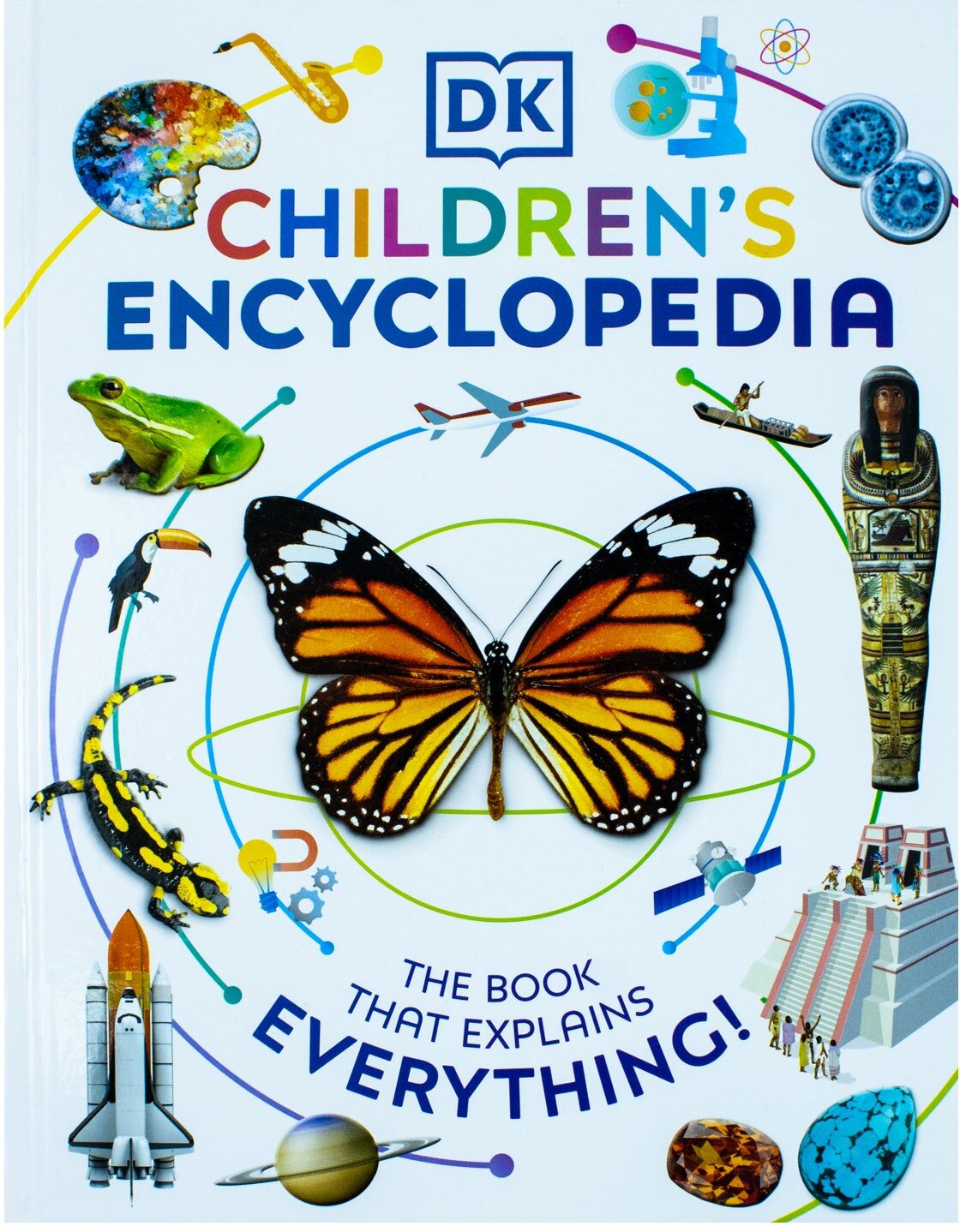
Dorling Kindersley DK Children’s Encyclopedia: The Book That Explains Everything Illustrated Reference Book on Science, History, Nature & More for KidsPacked with amazing facts, colorful photos, and easy-to-understand information, the DK Children’s Encyclopedia: The Book That Explains Everything is the ultimate reference guide for curious young minds. From science and space to history, animals, art, and technology, this beautifully illustrated encyclopedia brings knowledge to life in a fun, accessible way. Each page answers children’s biggest questions about the world with clear explanations, infographics, and expert-approved facts. Perfect for home learning, school projects, or everyday exploration, this encyclopedia helps children discover, learn, and develop a lifelong love of knowledge. Created by the trusted educational publisher DK, it’s an essential addition to every child’s bookshelf. Key Features Over 250 topics covering science, history, geography, and culture Packed with stunning DK photography and infographics Encourages curiosity, critical thinking, and independent learning Perfect gift for children aged 7–12 or families who love to learn together Ideal for home education, homework help, or classroom reference9,99 £*Shipping: 2,99 £Secure redirect to the provider
-
Kidicraft Corgi Cromwell IV 1000 Piece Military History Jigsaw Puzzle - Military HistoryImmerse yourself in military history with the Kidicraft Corgi Cromwell IV 1000 Piece Jigsaw Puzzle. This meticulously crafted puzzle pays tribute to the legendary Cromwell IV tank, a symbol of British military engineering and valor during World War II. Each piece captures the essence of the Cromwell IV tank, featuring its distinctive design, markings, and the spirit of wartime courage. With 1000 pieces to assemble, this puzzle offers a challenge for both beginners and experienced puzzlers. The puzzle is a celebration of the Cromwell IV's historical importance and a great way to learn about this remarkable armored vehicle.9,60 £*Shipping: 3,95 £Secure redirect to the provider
-
Why are the filaments in lamps made of tungsten?
Filaments in lamps are made of tungsten because tungsten has a very high melting point, around 3,422 degrees Celsius, which allows it to withstand the high temperatures generated when electricity passes through the filament, causing it to glow and produce light. Tungsten is also a very strong and durable material, making it ideal for withstanding the repeated heating and cooling cycles that occur when a lamp is turned on and off. Additionally, tungsten has a low rate of evaporation, which helps to maintain the longevity of the filament and prolong the life of the lamp. **
-
Do I have sebaceous filaments on my nose and cheeks?
Sebaceous filaments are a natural part of the skin's structure and are commonly found on the nose and cheeks. They are often mistaken for blackheads, but they are actually a combination of sebum and dead skin cells. If you notice small, pin-sized dots on your nose and cheeks that are slightly raised and appear yellow or gray in color, you likely have sebaceous filaments. It's important to note that sebaceous filaments are normal and not a cause for concern, but if you have any concerns about your skin, it's best to consult with a dermatologist for personalized advice. **
-
What can I do to get rid of follicle filaments?
To get rid of follicle filaments, you can try using a gentle exfoliating scrub or cleanser to help remove the buildup of dead skin cells and oil that can contribute to their appearance. You can also incorporate products containing salicylic acid or retinoids into your skincare routine to help keep the follicles clear. Additionally, maintaining a consistent skincare routine, avoiding heavy or pore-clogging products, and keeping your skin well-hydrated can also help minimize the appearance of follicle filaments. If you have persistent concerns, it may be helpful to consult with a dermatologist for personalized recommendations. **
-
Can incandescent light bulbs with filaments break due to improper storage?
Yes, incandescent light bulbs with filaments can break due to improper storage. If they are stored in a place where they can be easily knocked over or bumped, they are at risk of breaking. Additionally, if they are stored in an area with extreme temperature fluctuations or high humidity, the filaments can become weakened and more prone to breaking. It is important to store incandescent light bulbs in a secure, stable location with consistent temperature and humidity levels to prevent breakage. **
* All prices are inclusive of VAT and, if applicable, plus shipping costs. The offer information is based on the details provided by the respective shop and is updated through automated processes. Real-time updates do not occur, so deviations can occur in individual cases. ** Note: Parts of this content were created by AI.