Buy pernitz.co.at ?
We are moving the project
pernitz.co.at .
Are you interested in purchasing the domain
pernitz.co.at ?
domain@kv-gmbh.de · 0541-91531010
Buy pernitz.co.at ?
What is the difference between labor camps, extermination camps, and concentration camps?
Labor camps were used to exploit prisoners for forced labor, often under harsh conditions, with the goal of benefiting the economy or war effort. Extermination camps were specifically designed for the mass murder of prisoners, primarily targeting certain groups such as Jews, through methods like gas chambers. Concentration camps, on the other hand, were used to detain and oppress a wide range of individuals deemed enemies of the state, often through starvation, disease, and brutal treatment, though they were not solely focused on systematic extermination. **
Why are concentration camps actually called concentration camps?
Concentration camps are called so because they concentrate a large number of people in a confined area, often under harsh conditions. The term "concentration" refers to the act of bringing together or focusing a specific group of individuals in one place. These camps were historically used to detain and oppress specific groups of people, such as political dissidents, minorities, or prisoners of war, with the goal of controlling and monitoring them closely. **


Similar search terms for Camps
Top-Angebote
Products related to Camps:
-
"""Juve & Camps""" """Juve & Camps Gran Juve Gran Reserva Cava 2018 Champagne - Spain""""""A captivating golden yellow, accompanied by tiny, persistent bubbles that dance effervescently in the glass. On the nose, notes of fennel, stone fruits and a delicate touch of toasted almond combine to provide a unique aromatic experience. On the..."77,99 $*Shipping: 0,00 $Secure redirect to the provider
-
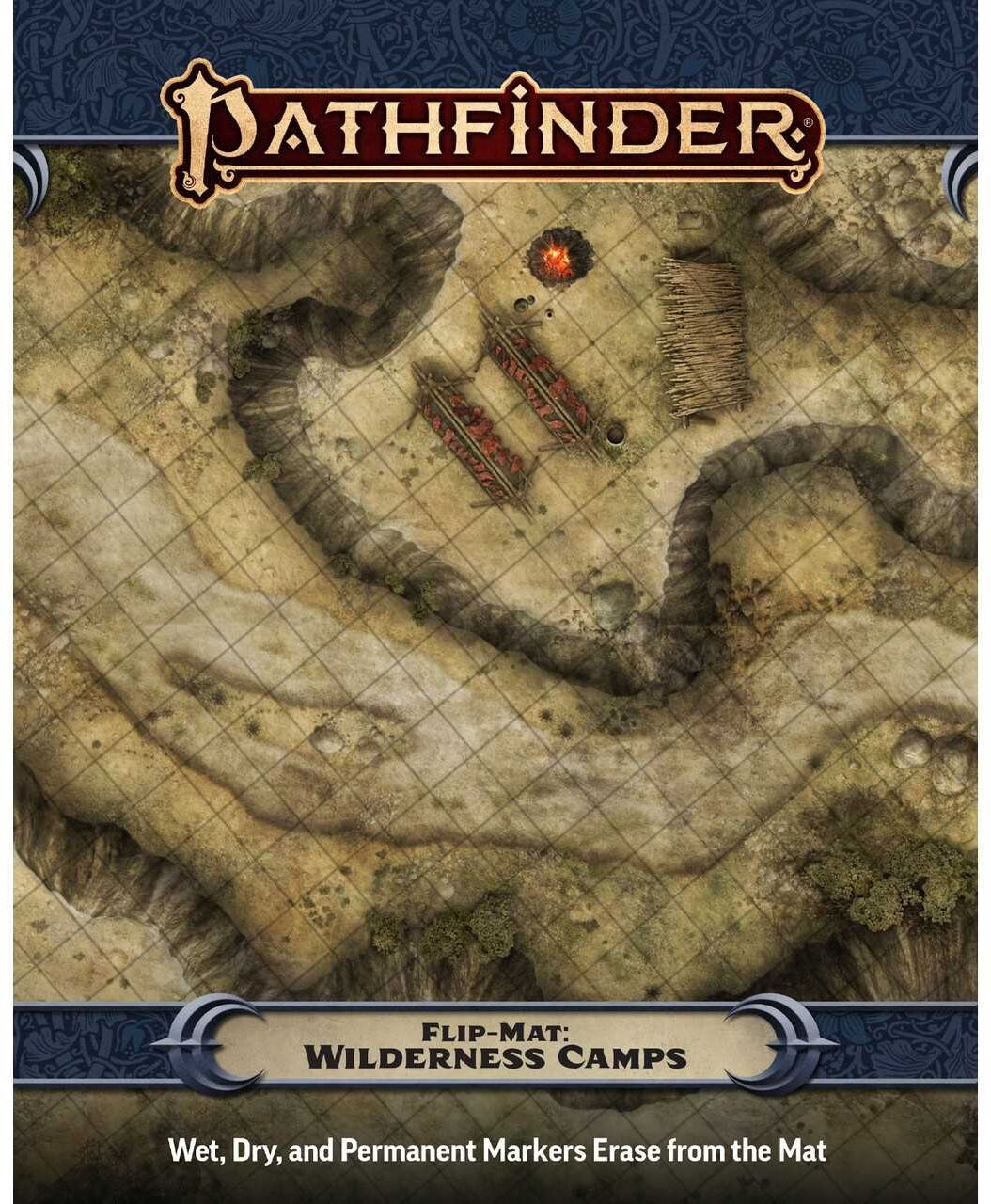
Paizo Publishing Pathfinder Flip-Mat: Wilderness Camps - Double-Sided Gaming Mat for PathfinderDouble-sided gaming mat featuring wilderness camps for Pathfinder and other tabletop role-playing games. One side shows a hunting camp in rugged badlands; the reverse displays a jungle encampment. Designed for durable tabletop use with compact storage.15,96 £*Shipping: 3,95 £Secure redirect to the provider
-
Mitchell Beazley Gin The Manual by Dave Broom - Hardback Cocktail & Spirits Guide - Flavour Camps, Recipes & Tasting Notes for BartendersGin: The Manual is the definitive guide to gin as a base spirit, written by Dave Broom for anyone who wants to understand and enjoy this versatile drink. Covering history, production, flavor, and mixing, it moves from simple serves to complex cocktails. This hardback book delivers expert insight with genuine personality and practical usefulness behind the bar. It sets out to demystify gin's renaissance, tracing its journey from juniper-heavy medicinal spirit to the vast, botanically diverse category it is today. Dave Broom explains what makes gin distinctive, unpacking distillation methods, botanical choices, and regional styles that shape flavor, from classic London Dry to modern, experimental styles.3,99 £*Shipping: 2,99 £Secure redirect to the provider


-
Were labor camps and concentration camps the same thing?
No, labor camps and concentration camps were not the same thing. While both were used by the Nazis during World War II, labor camps were primarily used for forced labor, where prisoners were made to work under harsh conditions. Concentration camps, on the other hand, were used for the imprisonment and extermination of people considered enemies of the state, including Jews, political dissidents, and others. Concentration camps were often used for mass murder, while labor camps were focused on exploiting the labor of prisoners for the benefit of the Nazi war effort. **
-
What are the differences between concentration camps and extermination camps?
Concentration camps were established by the Nazis to detain and imprison individuals considered enemies of the state, such as political dissidents, Jews, and other minority groups. These camps were primarily used for forced labor, torture, and inhumane living conditions. In contrast, extermination camps were specifically designed for the mass murder of individuals, particularly Jews, through methods such as gas chambers and crematoria. The main purpose of extermination camps, such as Auschwitz-Birkenau, Sobibor, and Treblinka, was to systematically exterminate as many people as possible. **
-
What is the difference between labor camps and extermination camps?
Labor camps were used by the Nazis as a means of exploiting the forced labor of prisoners for economic gain, often in harsh and inhumane conditions. Extermination camps, on the other hand, were specifically designed for the systematic mass murder of prisoners, primarily Jews, through methods such as gas chambers and crematoria. While both types of camps were part of the Nazi regime's brutal system of oppression and genocide, the primary purpose of labor camps was to exploit the labor of prisoners, whereas extermination camps were designed for the systematic extermination of targeted groups. **
-
What are education camps?
Education camps are immersive learning experiences that take place in a camp-like setting. These camps provide a hands-on and interactive approach to education, often focusing on specific subjects or skills. Participants engage in activities, workshops, and projects that help them deepen their knowledge and understanding in a particular area. Education camps can be for students of all ages and are designed to be fun, engaging, and impactful learning experiences. **

Which concentration camps existed?
Concentration camps existed in various locations during World War II, primarily in Nazi-occupied Europe. Some of the most notorious concentration camps included Auschwitz, Dachau, Buchenwald, and Treblinka. These camps were used by the Nazis to imprison, torture, and exterminate millions of people, primarily Jews, as well as other targeted groups such as Romani people, homosexuals, and political dissidents. The horrors of these camps have left a lasting impact on history and serve as a reminder of the atrocities committed during the Holocaust. **
Are labor camps allowed?
Labor camps are generally considered inhumane and a violation of human rights. Many countries have laws and regulations in place to prevent the establishment of labor camps. The use of forced labor or coercion in any form is illegal in most countries and can result in severe legal consequences. It is important to ensure that all workers are treated fairly and with dignity in accordance with international labor standards. **
Top-Angebote
Products related to Camps:
-
"""Juve & Camps""" """Juve & Camps Reserva de la Familia Cava Gran Reserva Brut Nature 2021 Champagne - Spain""""""An attractive, bright, pale gold sparkling wine, with tiny, abundant bubbles that rise up in streams to form a consistent crown. Deep, intense and elegant, initially evokes notes of ripe white fruits followed by hints of fennel, toast and citrus...."22,97 $*Shipping: 0,00 $Secure redirect to the provider
-
"""Juve & Camps""" """Juve & Camps Pinot Noir Brut Rose Champagne - Spain""""""This cava seduces with its bright cherry red color and beautiful effervescence. It reflects the character of the variety, with its cherry and strawberry notes enveloped in honey, toasted bread and a faint floweriness. It is intense, fresh and..."23,97 $*Shipping: 0,00 $Secure redirect to the provider
-
"""Juve & Camps""" """Juve & Camps Gran Juve Gran Reserva Cava 2018 Champagne - Spain""""""A captivating golden yellow, accompanied by tiny, persistent bubbles that dance effervescently in the glass. On the nose, notes of fennel, stone fruits and a delicate touch of toasted almond combine to provide a unique aromatic experience. On the..."77,99 $*Shipping: 0,00 $Secure redirect to the provider
-
What is the difference between labor camps, extermination camps, and concentration camps?
Labor camps were used to exploit prisoners for forced labor, often under harsh conditions, with the goal of benefiting the economy or war effort. Extermination camps were specifically designed for the mass murder of prisoners, primarily targeting certain groups such as Jews, through methods like gas chambers. Concentration camps, on the other hand, were used to detain and oppress a wide range of individuals deemed enemies of the state, often through starvation, disease, and brutal treatment, though they were not solely focused on systematic extermination. **
-
Why are concentration camps actually called concentration camps?
Concentration camps are called so because they concentrate a large number of people in a confined area, often under harsh conditions. The term "concentration" refers to the act of bringing together or focusing a specific group of individuals in one place. These camps were historically used to detain and oppress specific groups of people, such as political dissidents, minorities, or prisoners of war, with the goal of controlling and monitoring them closely. **
-
Were labor camps and concentration camps the same thing?
No, labor camps and concentration camps were not the same thing. While both were used by the Nazis during World War II, labor camps were primarily used for forced labor, where prisoners were made to work under harsh conditions. Concentration camps, on the other hand, were used for the imprisonment and extermination of people considered enemies of the state, including Jews, political dissidents, and others. Concentration camps were often used for mass murder, while labor camps were focused on exploiting the labor of prisoners for the benefit of the Nazi war effort. **
-
What are the differences between concentration camps and extermination camps?
Concentration camps were established by the Nazis to detain and imprison individuals considered enemies of the state, such as political dissidents, Jews, and other minority groups. These camps were primarily used for forced labor, torture, and inhumane living conditions. In contrast, extermination camps were specifically designed for the mass murder of individuals, particularly Jews, through methods such as gas chambers and crematoria. The main purpose of extermination camps, such as Auschwitz-Birkenau, Sobibor, and Treblinka, was to systematically exterminate as many people as possible. **
Similar search terms for Camps
-
Paizo Publishing Pathfinder Flip-Mat: Wilderness Camps - Double-Sided Gaming Mat for PathfinderDouble-sided gaming mat featuring wilderness camps for Pathfinder and other tabletop role-playing games. One side shows a hunting camp in rugged badlands; the reverse displays a jungle encampment. Designed for durable tabletop use with compact storage.15,96 £*Shipping: 3,95 £Secure redirect to the provider
-
Mitchell Beazley Gin The Manual by Dave Broom - Hardback Cocktail & Spirits Guide - Flavour Camps, Recipes & Tasting Notes for BartendersGin: The Manual is the definitive guide to gin as a base spirit, written by Dave Broom for anyone who wants to understand and enjoy this versatile drink. Covering history, production, flavor, and mixing, it moves from simple serves to complex cocktails. This hardback book delivers expert insight with genuine personality and practical usefulness behind the bar. It sets out to demystify gin's renaissance, tracing its journey from juniper-heavy medicinal spirit to the vast, botanically diverse category it is today. Dave Broom explains what makes gin distinctive, unpacking distillation methods, botanical choices, and regional styles that shape flavor, from classic London Dry to modern, experimental styles.3,99 £*Shipping: 2,99 £Secure redirect to the provider
-
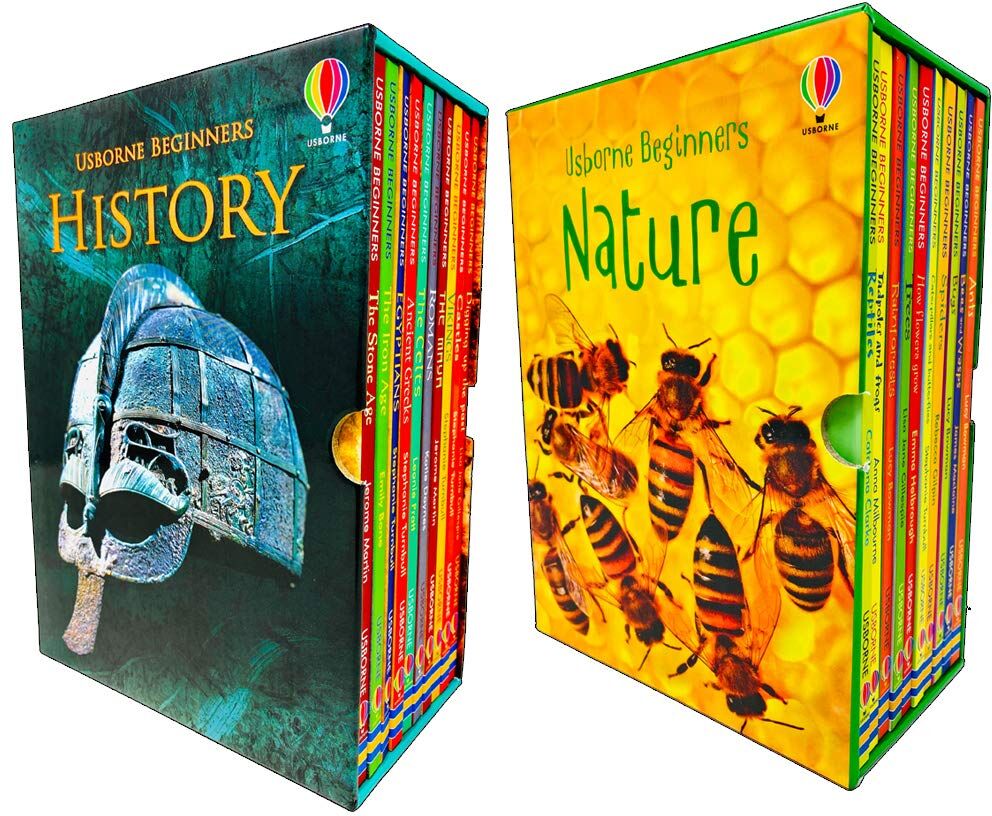
Usborne Publishing Ltd Usborne Beginners History & Usborne Beginners Nature 20 Books Collection Box SetTitles in this set: Usborne Beginners History Stone Age Iron Age Egyptians Ancient Greeks Celts Romans The Maya Vikings Castles Digging Up the Past. Usborne Beginners Nature Reptiles Tadpoles and Frogs Rainforest Trees How Flowers Grow Caterpillars and Butterflies Spiders Bugs Bees & Wasps Ants Description Stone Age This simple information book follows the history of Stone Age people and how they lived. Iron Age This simple information book charts the history of Iron Age people and how they lived, including their farming methods, the gods they prayed to and the hill forts where they lived. Egyptians Who were the ancient Egyptians? Why did they build pyramids and how were mummies made? Ancient Greeks Find out about Ancient Greece, what people wore, ate and did for fun and learn about some of the most famous philosophers and mathematicians of the age in this compelling book for beginner readers. Celts Who were the Celts exactly? Did you know they lived on top of hills? Do you have any idea how Celtic warriors made themselves look really scary in battle? Romans Who were the ancient Romans? Where did they go to eat, shop and wash? What did they do for fun? The Maya Who were the Maya? Where did they live? Why did they build tall stone temples? Vikings Find out what it was like to be a Viking, and learn about Viking homes, feasts, boats, gods and much more in this fascinating book. Castles Who lived in a castle, and what was it like? Children can find out the answers to these questions and lots more about the wonderful world of castles in this informative book. Digging Up the Past How do ancient things get buried? Who digs them up? And what do they find? Beginner readers can find answers to these questions and more in this colourful information book. Reptiles This is a fantastic brand new addition to the "Beginners" series, designed to provide an informative introduction to trees and plant-life for young readers. Tadpoles and Frogs Vivid, full colour illustrations and photographs on every page, accompanied by short, informative text. Rainforest It offers a terrific reading practice for children who prefer fact to fiction. It is developed with a reading expert from Roehampton University to help young readers grow in confidence. Trees This is a fantastic brand new addition to the 'Beginners' series, designed to provide an informative introduction to trees and plant-life for young readers. How Flowers Grow How do flowers grow in dry deserts? How do animals help to spread seeds? Which flower smells like rottng meat? Caterpillars and Butterflies Usborne Beginners are colourful information books for children beginning to read on their own. Spiders Usborne Beginners are colourful information books for children beginning to read on their own. Bugs Usborne Beginners are colourful information books for children beginning to read on their own. Bees & Wasps A slim and unintimidating book which belies its contents - a wealth of information, much of which will be...34,99 £*Shipping: 2,99 £Secure redirect to the provider
-
Usborne Beginners Series – 30 Book Collection Box Set Children’s Educational Books (History, Nature & Science) KS1 KS2Usborne Beginners Series 30 Books Collection Box Set (History- Nature- Science) Build a strong foundation in knowledge and reading with the Usborne Beginners Series – 30 Books Collection Box Set, published by Usborne. This comprehensive educational collection introduces children to a wide range of topics across history, science, and nature, using clear language, engaging illustrations, and structured layouts designed for young learners. Perfectly suited for KS1 and KS2 pupils, these books support both curriculum learning and independent reading. From natural disasters and wildlife to historical events and scientific discoveries, the series encourages curiosity, critical thinking, and a love of learning. Description Titles in this set: History Stone Age Iron Age Egyptians Ancient Greeks Celts Romans The Maya Vikings Castles Digging Up the Past Nature Reptiles Tadpoles and Frogs Rainforest Trees How Flowers Grow Caterpillars and Butterflies Spiders Bugs Bees & Wasps Ants Science Earthquakes & Tsunamis Sun Moon and Stars Living in Space Storms and Hurricanes Volcanoes Astronomy The Solar System Your Body Planet Earth Weather Related Tags: Usborne, Usbourne42,75 £*Shipping: 0,00 £Secure redirect to the provider
-
What is the difference between labor camps and extermination camps?
Labor camps were used by the Nazis as a means of exploiting the forced labor of prisoners for economic gain, often in harsh and inhumane conditions. Extermination camps, on the other hand, were specifically designed for the systematic mass murder of prisoners, primarily Jews, through methods such as gas chambers and crematoria. While both types of camps were part of the Nazi regime's brutal system of oppression and genocide, the primary purpose of labor camps was to exploit the labor of prisoners, whereas extermination camps were designed for the systematic extermination of targeted groups. **
-
What are education camps?
Education camps are immersive learning experiences that take place in a camp-like setting. These camps provide a hands-on and interactive approach to education, often focusing on specific subjects or skills. Participants engage in activities, workshops, and projects that help them deepen their knowledge and understanding in a particular area. Education camps can be for students of all ages and are designed to be fun, engaging, and impactful learning experiences. **
-
Which concentration camps existed?
Concentration camps existed in various locations during World War II, primarily in Nazi-occupied Europe. Some of the most notorious concentration camps included Auschwitz, Dachau, Buchenwald, and Treblinka. These camps were used by the Nazis to imprison, torture, and exterminate millions of people, primarily Jews, as well as other targeted groups such as Romani people, homosexuals, and political dissidents. The horrors of these camps have left a lasting impact on history and serve as a reminder of the atrocities committed during the Holocaust. **
-
Are labor camps allowed?
Labor camps are generally considered inhumane and a violation of human rights. Many countries have laws and regulations in place to prevent the establishment of labor camps. The use of forced labor or coercion in any form is illegal in most countries and can result in severe legal consequences. It is important to ensure that all workers are treated fairly and with dignity in accordance with international labor standards. **
* All prices are inclusive of VAT and, if applicable, plus shipping costs. The offer information is based on the details provided by the respective shop and is updated through automated processes. Real-time updates do not occur, so deviations can occur in individual cases. ** Note: Parts of this content were created by AI.