Buy pernitz.co.at ?
We are moving the project
pernitz.co.at .
Are you interested in purchasing the domain
pernitz.co.at ?
domain@kv-gmbh.de · 0541-91531010
Buy pernitz.co.at ?
Why are sources located on mountains?
Sources are often located on mountains because the elevation allows for water to flow downhill, creating natural springs. The high altitude also helps to protect the source from contamination, as the water is less likely to be affected by pollutants. Additionally, the rocky terrain of mountains can act as a natural filter, helping to purify the water as it makes its way down the slopes. **
Why are there sources on mountains?
There are sources on mountains because of the natural processes of precipitation and the accumulation of water. Mountains are often the first point of contact for moisture-laden air masses, leading to increased rainfall and snowfall. This water then collects in the form of streams, rivers, and lakes, providing a vital source of freshwater for both human and natural ecosystems. Additionally, the geological composition of mountains can also contribute to the presence of sources, as certain rock formations can store and release water. **


Similar search terms for Sources
Top-Angebote
Products related to Sources:
-
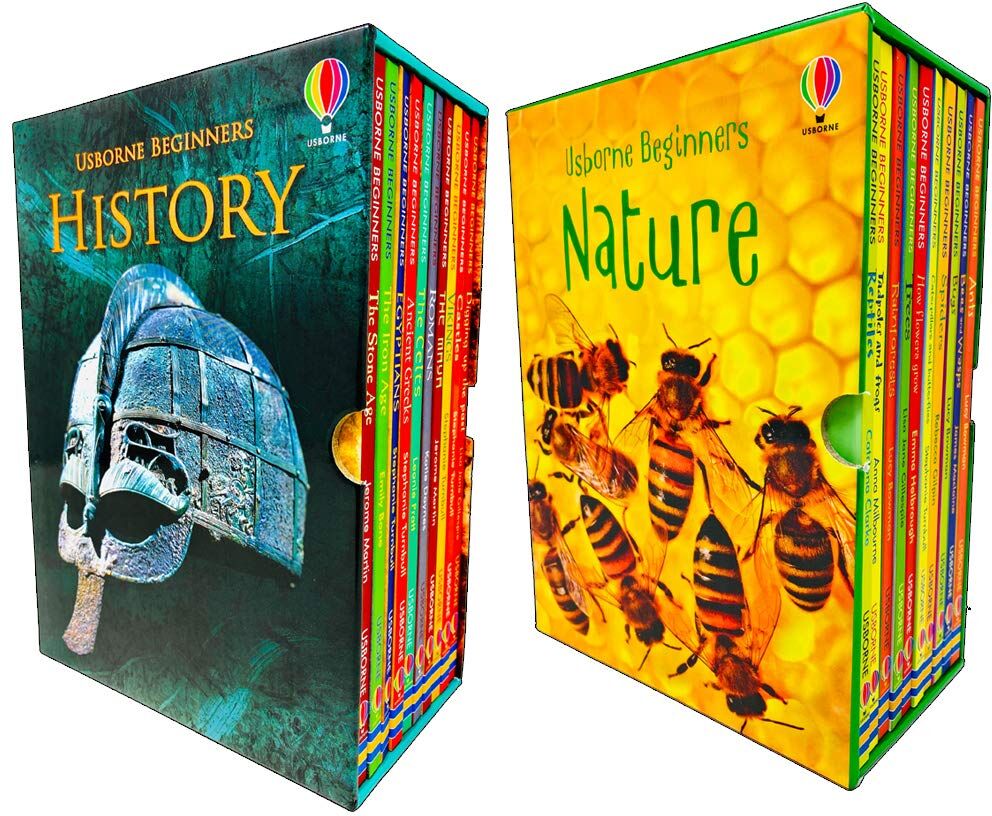
Usborne Publishing Ltd Usborne Beginners History & Usborne Beginners Nature 20 Books Collection Box SetTitles in this set: Usborne Beginners History Stone Age Iron Age Egyptians Ancient Greeks Celts Romans The Maya Vikings Castles Digging Up the Past. Usborne Beginners Nature Reptiles Tadpoles and Frogs Rainforest Trees How Flowers Grow Caterpillars and Butterflies Spiders Bugs Bees & Wasps Ants Description Stone Age This simple information book follows the history of Stone Age people and how they lived. Iron Age This simple information book charts the history of Iron Age people and how they lived, including their farming methods, the gods they prayed to and the hill forts where they lived. Egyptians Who were the ancient Egyptians? Why did they build pyramids and how were mummies made? Ancient Greeks Find out about Ancient Greece, what people wore, ate and did for fun and learn about some of the most famous philosophers and mathematicians of the age in this compelling book for beginner readers. Celts Who were the Celts exactly? Did you know they lived on top of hills? Do you have any idea how Celtic warriors made themselves look really scary in battle? Romans Who were the ancient Romans? Where did they go to eat, shop and wash? What did they do for fun? The Maya Who were the Maya? Where did they live? Why did they build tall stone temples? Vikings Find out what it was like to be a Viking, and learn about Viking homes, feasts, boats, gods and much more in this fascinating book. Castles Who lived in a castle, and what was it like? Children can find out the answers to these questions and lots more about the wonderful world of castles in this informative book. Digging Up the Past How do ancient things get buried? Who digs them up? And what do they find? Beginner readers can find answers to these questions and more in this colourful information book. Reptiles This is a fantastic brand new addition to the "Beginners" series, designed to provide an informative introduction to trees and plant-life for young readers. Tadpoles and Frogs Vivid, full colour illustrations and photographs on every page, accompanied by short, informative text. Rainforest It offers a terrific reading practice for children who prefer fact to fiction. It is developed with a reading expert from Roehampton University to help young readers grow in confidence. Trees This is a fantastic brand new addition to the 'Beginners' series, designed to provide an informative introduction to trees and plant-life for young readers. How Flowers Grow How do flowers grow in dry deserts? How do animals help to spread seeds? Which flower smells like rottng meat? Caterpillars and Butterflies Usborne Beginners are colourful information books for children beginning to read on their own. Spiders Usborne Beginners are colourful information books for children beginning to read on their own. Bugs Usborne Beginners are colourful information books for children beginning to read on their own. Bees & Wasps A slim and unintimidating book which belies its contents - a wealth of information, much of which will be...34,99 £*Shipping: 2,99 £Secure redirect to the provider
-
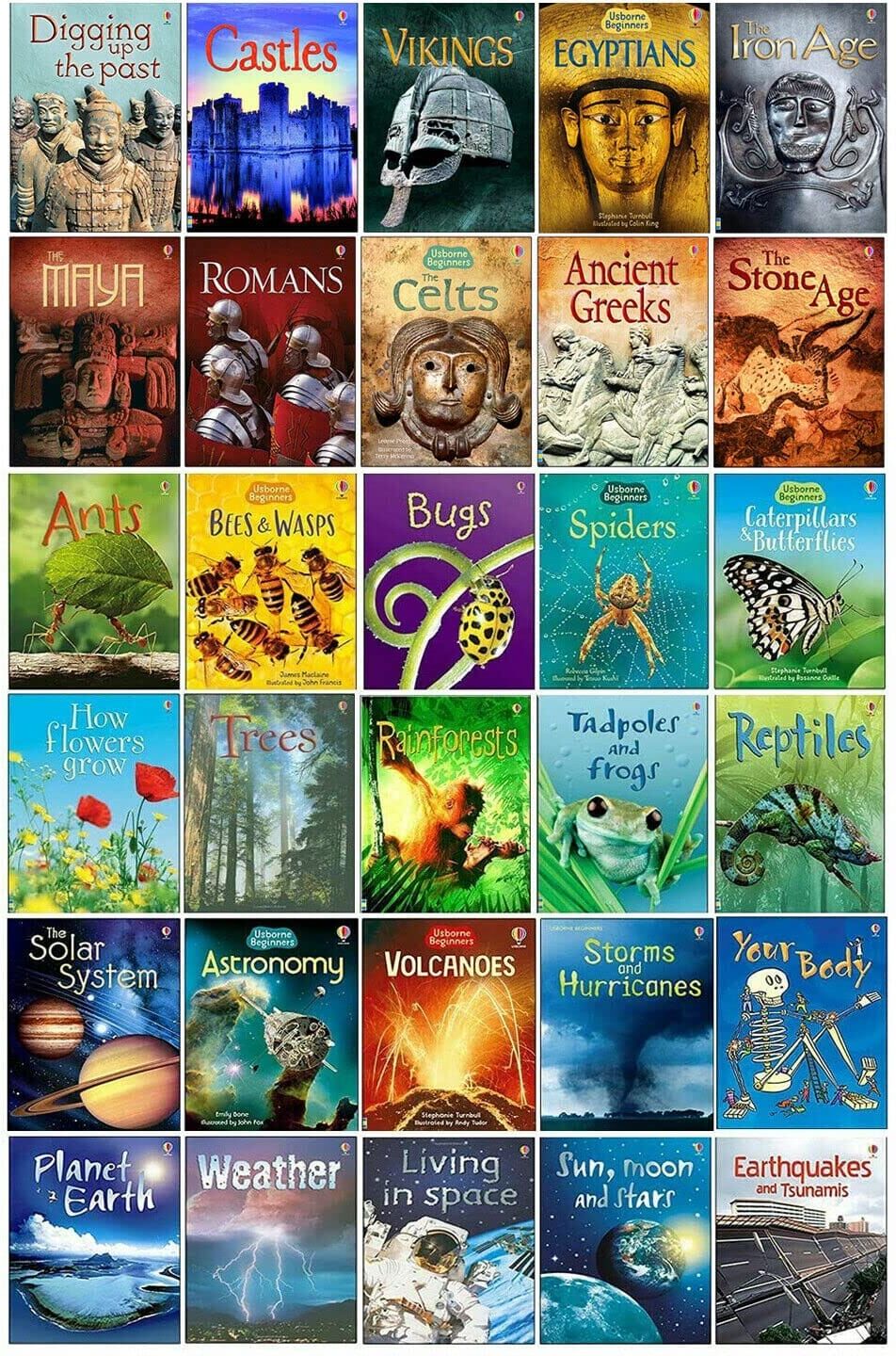
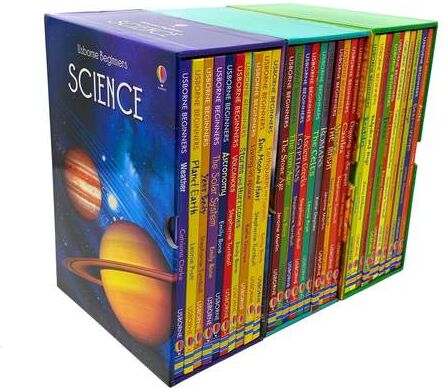
Usborne Beginners Nature, Science & History Collection 30 Books Set - Ages 4-10 - Paperback Usborne Publishing LtdTitles in This Set: Usborne Beginners Nature 10 Books: 1. Ants 2. Bees & Wasps 3. Bugs 4. Spiders 5. Tadpoles and Frogs 6. Caterpillars and Butterflies 7. How Flowers Grow 8. Trees 9. Rainforest 10. Reptiles Usborne Beginners Science 10 Books: 1. Earthquakes & Tsunamis 2. Sun Moon and Stars 3. Living in Space 4. Storms and Hurricanes 5. Volcanoes 6. Astronomy 7. The Solar System 8. Your Body 9. Planet Earth 10. Weather Usborne Beginners History 10 Books: Titles in This Set: 1. Ancient Greeks 2. Castles 3. Celts 4. Digging Up the Past 5. Egyptians 6. Iron Age 7. Maya 8. Romans 9. Stone Age 10. Vikings Description : Usborne Beginners Nature 10 Books Ants Where do ants live? What do they eat? How much weight can they carry? Little children can find out the answers to these questions and much more in this simple introduction to the world of ants. Bees & Wasps What do bees and wasps eat? What type of nests do they make? How do bees make honey? Find out the answers and lots more in this intriguing introduction to the fascinating world of bees and wasps. Bugs ''There are all kinds of different bugs. Some can jump up high. Other bugs have lots of legs.” Bugs is part of an exciting reading series for young children, with lots of pictures and very simple text. Spiders “Spiders have eight legs. Most of them have eight eyes, but some of them can’t see very well.” Learn all about spiders in this great book for children learning to read by themselves. Tadpoles and Frogs From egg to frog, find out about the entire life cycle of a frog in this easy-to-read fully illustrated book for young learners ages 4+. It comes complete with weblinks so you can see the process for yourself. Caterpillars and Butterflies A beautifully illustrated introduction to the life of butterflies and caterpillars, with easy to read text for beginner readers. The life cycle of a butterfly is shown with stunning photographs and illustrations, and there are links to carefully selected websites with videos that show butterflies emerging from their pupae. How Flowers Grow How do flowers grow in dry deserts? How do animals help to spread seeds? Which flower smells like rotting meat? Find out in this great book for young readers ages four and up. Trees How do trees use their leaves to make food? Why do they grow flowers and fruit? Which animals live inside a tree trunk and build nests in its branches? How can we help to protect trees? This book has all the answers and much more, along with photographs, step-by-step illustrations, simple text and links to websites with video clips and activities. Rainforests Learn all about the rainforest in this fantastic easy-to-read book for children 4+ beginning to strike out on their own. From towering trees to rainforest rivers, this fully-illustrated book also features links to carefully selected websites. Reptiles Learn all about the lizard world in this fully-illustrated guide, the latest in the Usborne Beginners series. From scaly skin to tongue tricks...42,75 £*Shipping: 0,00 £Secure redirect to the provider
-
Usborne Beginners Series – 30 Book Collection Box Set Children’s Educational Books (History, Nature & Science) KS1 KS2Usborne Beginners Series 30 Books Collection Box Set (History- Nature- Science) Build a strong foundation in knowledge and reading with the Usborne Beginners Series – 30 Books Collection Box Set, published by Usborne. This comprehensive educational collection introduces children to a wide range of topics across history, science, and nature, using clear language, engaging illustrations, and structured layouts designed for young learners. Perfectly suited for KS1 and KS2 pupils, these books support both curriculum learning and independent reading. From natural disasters and wildlife to historical events and scientific discoveries, the series encourages curiosity, critical thinking, and a love of learning. Description Titles in this set: History Stone Age Iron Age Egyptians Ancient Greeks Celts Romans The Maya Vikings Castles Digging Up the Past Nature Reptiles Tadpoles and Frogs Rainforest Trees How Flowers Grow Caterpillars and Butterflies Spiders Bugs Bees & Wasps Ants Science Earthquakes & Tsunamis Sun Moon and Stars Living in Space Storms and Hurricanes Volcanoes Astronomy The Solar System Your Body Planet Earth Weather Related Tags: Usborne, Usbourne42,75 £*Shipping: 0,00 £Secure redirect to the provider
-
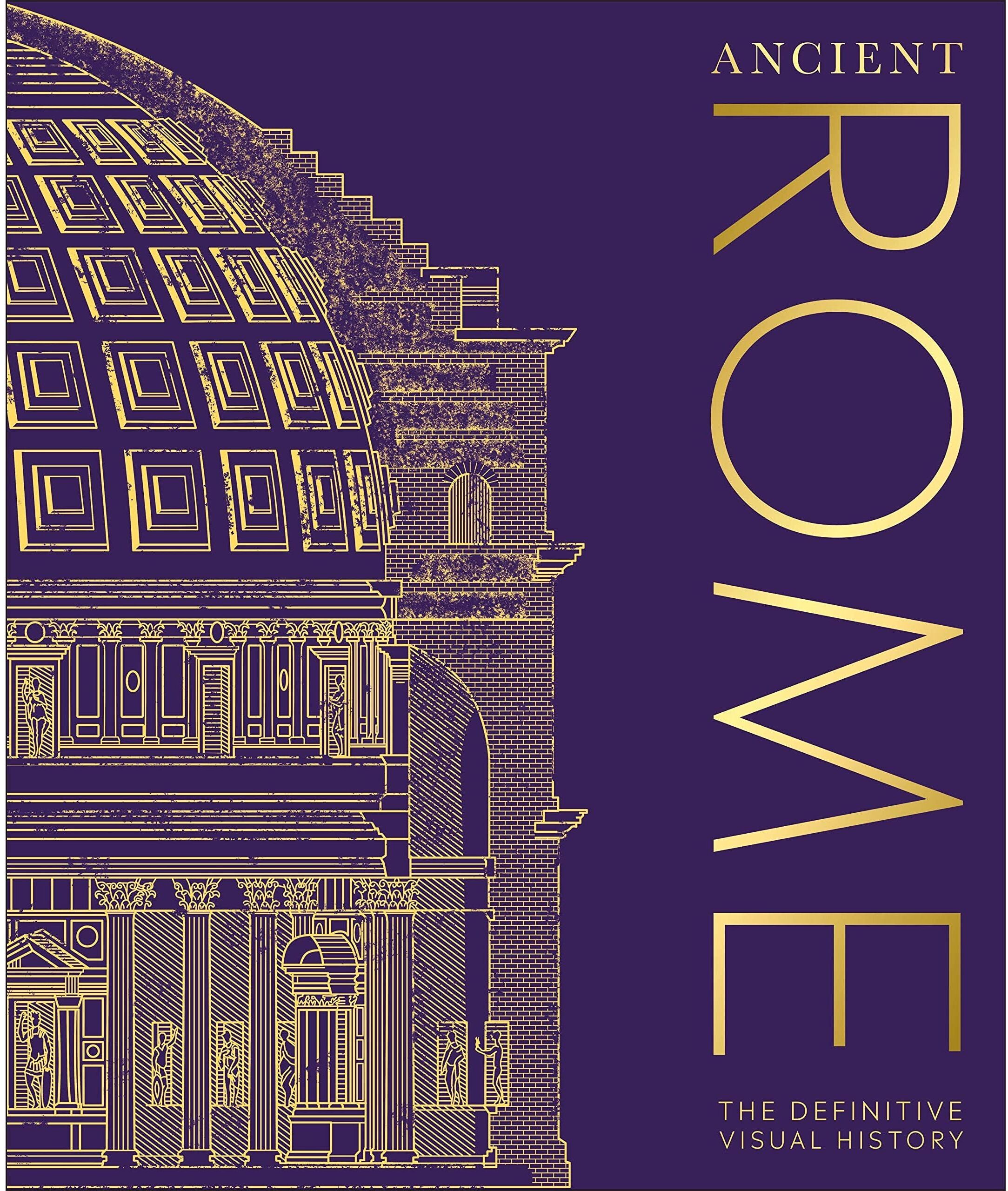
Ancient Rome: The Definitive Visual History (DK Classic History)Immerse yourself in the history of ancient Rome - from its origins as a small settlement on the Palatine Hill to its peak as an empire reigning over 90 million people, and its tumultuous decline. Covering more than 1,000 years of history, and an empire that stretched from Scotland to Syria, Ancient Rome reveals in vivid detail all of the key political, cultural, and military events that shaped the Roman Empire and explores what it was like to live in a society that laid the foundations for many aspects of the modern world. Sumptuous photography and engaging text cover every facet of life in ancient Rome, from art, entertainment, and fashion to engineering, medicine, and war, while detailed maps trace the rise of the mighty Roman Empire. Step back in time in the pages of this history book to discover:- Themed spreads explore developments in areas such as sculpture, religion, warfare, and engineering. - Includes tales of the most dramatic events and battles in Roman history, as well as profiles of influential historical and cultural figures. - An optional 80pp reference section includes sections on rulers, gods and goddesses, and key sites. Featuring Rome's greatest emperors, from Augustus to Constantine, as well as profiles of generals, historians, and influential women, Ancient Rome also delves into the fascinating stories of gladiators, bakers, and enslaved people. The most iconic buildings of Rome are brought to life with specially commissioned CGI recreations, while the stories of ordinary citizens, soldiers, and persecuted groups from across the empire are told with the help of illustrations, artefacts, and eyewitness accounts. Beautifully illustrated and unparalleled in scope, Ancient Rome is the perfect book for anyone who is interested in this defining period of world history.19,95 £*Shipping: 2,99 £Secure redirect to the provider
-
What does sources mean in history?
In history, sources refer to the materials or evidence that historians use to study and interpret the past. These sources can include written documents, artifacts, oral histories, photographs, and other forms of evidence. Historians analyze and evaluate these sources to gain a better understanding of historical events, people, and societies. It is important for historians to critically assess the reliability and bias of sources in order to construct accurate and comprehensive historical narratives. **
-
How can sources be presented in history?
Sources in history can be presented in various forms such as primary sources, secondary sources, and tertiary sources. Primary sources are original materials from the time period being studied, like letters, diaries, and photographs. Secondary sources are interpretations and analyses of primary sources, such as textbooks and scholarly articles. Tertiary sources are compilations and summaries of primary and secondary sources, like encyclopedias and bibliographies. These different types of sources provide historians with a range of perspectives and information to analyze and interpret historical events. **
-
How can one present sources in history?
One can present sources in history by clearly identifying and citing the sources used in their research. It is important to provide detailed information about the sources, such as the author, title, publication date, and any relevant context. Additionally, it is essential to evaluate the reliability and credibility of the sources to ensure the accuracy of the information presented. Using a variety of primary and secondary sources can also help provide a well-rounded and comprehensive view of the historical topic being discussed. **
-
What are primary sources in history education?
Primary sources in history education are original documents or artifacts that were created during the time period being studied. These sources provide firsthand accounts or evidence of historical events, and can include letters, diaries, speeches, photographs, newspapers, and government records. By using primary sources, students can engage directly with the past and develop critical thinking skills as they analyze and interpret the material. This allows them to gain a deeper understanding of historical events and the perspectives of people who lived during those times. **

How do you deal with sources in history and what types of sources are there?
In history, sources are dealt with by critically evaluating their reliability, credibility, and bias. There are two main types of sources: primary and secondary. Primary sources are firsthand accounts or original documents from the time period being studied, such as letters, diaries, and artifacts. Secondary sources are interpretations or analyses of primary sources, such as history books, articles, and documentaries. It is important to consider the context, perspective, and purpose of each source when using them to construct historical narratives. **
What types of sources are there in history?
In history, there are two main types of sources: primary sources and secondary sources. Primary sources are firsthand accounts or evidence from the time period being studied, such as diaries, letters, photographs, and artifacts. Secondary sources are interpretations or analyses of primary sources, such as history books, scholarly articles, and documentaries. Both types of sources are important for understanding and interpreting historical events and periods. **
Top-Angebote
Products related to Sources:
-
Named Sport Magnesium Blend Of 2 Sources 20 EnvelopesNutrition and Supplements Vitamins and minerals Named Sport Magnesium Blend Of 2 Sources 20 Envelopes Supplement based on Magnesium Glycerophosphate, Magnesium Pidolate and Vitamin B3. Magnesium is an essential mineral of fundamental importance for the function of the body: it helps reduce tiredness and fatigue and promotes muscle function, as well as contributes to protein synthesis and the normal functioning of the nervous system. Instructions for use: Take 1 sachet (3.5 g) per day to dissolve in 200 ml of water.11,87 £*Shipping: 3,99 £Secure redirect to the provider
-
Château Jean Faux Bordeaux Rouge Superieur 'Les Sources' Chateau Jean Faux 2022"Les Sources" by Chateau Jean Faux is a Bordeaux Rouge Superieur that masterfully represents the most typical characteristics of this denomination. Produced in the area of Sainte-Radegonde, just a few kilometers from the Saint-Emilion appellation, on the right bank of the Garonne River, where Merlot reigns supreme. A Chateau of ancient origin, where Pascal Collotte and his family settled in 2002, forming a deep and sincere emotional bond with this territory. This Bordeaux Superieur is made from a typical blend of the area, where Merlot plays the leading role, combined with a small percentage of Cabernet Franc. The grapes are cultivated according to the principles of certified organic and biodynamic agriculture, on clay and limestone soils with south and southwest exposures. In the cellar, the same non-interventionism adopted in the vineyard is followed, allowing the grapes to ferment spontaneously with the only addition of naturally occurring yeasts on the skins in temperature-controlled steel tanks. The malolactic fermentation takes place in Saury barriques, new for 10%, where it will also undergo aging for at least 12 months. The Bordeaux Superieur "Les Sources" by Chateau Jean Faux is characterized by a dense, fleshy, and vegetal soul, capable of convincing the most diverse palates thanks to its incomparable roundness. Visually, it presents itself with ruby garments occasionally illuminated by garnet reflections, while on the nose it exhales scents of dark hues, underbrush, red berries, wet earth, Mediterranean scrub, with herbaceous contours. The sip fills the mouth with richness and power, caressing the palate with a fine and velvety tannin, leaving a long spicy memory on the finish. A glass capable of transporting the drinker's mind to that renowned and exclusive terroir of Bordeaux.19,00 £*Shipping: 48,00 £Secure redirect to the provider
-
Usborne Publishing Ltd Usborne Beginners History & Usborne Beginners Nature 20 Books Collection Box SetTitles in this set: Usborne Beginners History Stone Age Iron Age Egyptians Ancient Greeks Celts Romans The Maya Vikings Castles Digging Up the Past. Usborne Beginners Nature Reptiles Tadpoles and Frogs Rainforest Trees How Flowers Grow Caterpillars and Butterflies Spiders Bugs Bees & Wasps Ants Description Stone Age This simple information book follows the history of Stone Age people and how they lived. Iron Age This simple information book charts the history of Iron Age people and how they lived, including their farming methods, the gods they prayed to and the hill forts where they lived. Egyptians Who were the ancient Egyptians? Why did they build pyramids and how were mummies made? Ancient Greeks Find out about Ancient Greece, what people wore, ate and did for fun and learn about some of the most famous philosophers and mathematicians of the age in this compelling book for beginner readers. Celts Who were the Celts exactly? Did you know they lived on top of hills? Do you have any idea how Celtic warriors made themselves look really scary in battle? Romans Who were the ancient Romans? Where did they go to eat, shop and wash? What did they do for fun? The Maya Who were the Maya? Where did they live? Why did they build tall stone temples? Vikings Find out what it was like to be a Viking, and learn about Viking homes, feasts, boats, gods and much more in this fascinating book. Castles Who lived in a castle, and what was it like? Children can find out the answers to these questions and lots more about the wonderful world of castles in this informative book. Digging Up the Past How do ancient things get buried? Who digs them up? And what do they find? Beginner readers can find answers to these questions and more in this colourful information book. Reptiles This is a fantastic brand new addition to the "Beginners" series, designed to provide an informative introduction to trees and plant-life for young readers. Tadpoles and Frogs Vivid, full colour illustrations and photographs on every page, accompanied by short, informative text. Rainforest It offers a terrific reading practice for children who prefer fact to fiction. It is developed with a reading expert from Roehampton University to help young readers grow in confidence. Trees This is a fantastic brand new addition to the 'Beginners' series, designed to provide an informative introduction to trees and plant-life for young readers. How Flowers Grow How do flowers grow in dry deserts? How do animals help to spread seeds? Which flower smells like rottng meat? Caterpillars and Butterflies Usborne Beginners are colourful information books for children beginning to read on their own. Spiders Usborne Beginners are colourful information books for children beginning to read on their own. Bugs Usborne Beginners are colourful information books for children beginning to read on their own. Bees & Wasps A slim and unintimidating book which belies its contents - a wealth of information, much of which will be...34,99 £*Shipping: 2,99 £Secure redirect to the provider
-
Usborne Beginners Nature, Science & History Collection 30 Books Set - Ages 4-10 - Paperback Usborne Publishing LtdTitles in This Set: Usborne Beginners Nature 10 Books: 1. Ants 2. Bees & Wasps 3. Bugs 4. Spiders 5. Tadpoles and Frogs 6. Caterpillars and Butterflies 7. How Flowers Grow 8. Trees 9. Rainforest 10. Reptiles Usborne Beginners Science 10 Books: 1. Earthquakes & Tsunamis 2. Sun Moon and Stars 3. Living in Space 4. Storms and Hurricanes 5. Volcanoes 6. Astronomy 7. The Solar System 8. Your Body 9. Planet Earth 10. Weather Usborne Beginners History 10 Books: Titles in This Set: 1. Ancient Greeks 2. Castles 3. Celts 4. Digging Up the Past 5. Egyptians 6. Iron Age 7. Maya 8. Romans 9. Stone Age 10. Vikings Description : Usborne Beginners Nature 10 Books Ants Where do ants live? What do they eat? How much weight can they carry? Little children can find out the answers to these questions and much more in this simple introduction to the world of ants. Bees & Wasps What do bees and wasps eat? What type of nests do they make? How do bees make honey? Find out the answers and lots more in this intriguing introduction to the fascinating world of bees and wasps. Bugs ''There are all kinds of different bugs. Some can jump up high. Other bugs have lots of legs.” Bugs is part of an exciting reading series for young children, with lots of pictures and very simple text. Spiders “Spiders have eight legs. Most of them have eight eyes, but some of them can’t see very well.” Learn all about spiders in this great book for children learning to read by themselves. Tadpoles and Frogs From egg to frog, find out about the entire life cycle of a frog in this easy-to-read fully illustrated book for young learners ages 4+. It comes complete with weblinks so you can see the process for yourself. Caterpillars and Butterflies A beautifully illustrated introduction to the life of butterflies and caterpillars, with easy to read text for beginner readers. The life cycle of a butterfly is shown with stunning photographs and illustrations, and there are links to carefully selected websites with videos that show butterflies emerging from their pupae. How Flowers Grow How do flowers grow in dry deserts? How do animals help to spread seeds? Which flower smells like rotting meat? Find out in this great book for young readers ages four and up. Trees How do trees use their leaves to make food? Why do they grow flowers and fruit? Which animals live inside a tree trunk and build nests in its branches? How can we help to protect trees? This book has all the answers and much more, along with photographs, step-by-step illustrations, simple text and links to websites with video clips and activities. Rainforests Learn all about the rainforest in this fantastic easy-to-read book for children 4+ beginning to strike out on their own. From towering trees to rainforest rivers, this fully-illustrated book also features links to carefully selected websites. Reptiles Learn all about the lizard world in this fully-illustrated guide, the latest in the Usborne Beginners series. From scaly skin to tongue tricks...42,75 £*Shipping: 0,00 £Secure redirect to the provider
-
Why are sources located on mountains?
Sources are often located on mountains because the elevation allows for water to flow downhill, creating natural springs. The high altitude also helps to protect the source from contamination, as the water is less likely to be affected by pollutants. Additionally, the rocky terrain of mountains can act as a natural filter, helping to purify the water as it makes its way down the slopes. **
-
Why are there sources on mountains?
There are sources on mountains because of the natural processes of precipitation and the accumulation of water. Mountains are often the first point of contact for moisture-laden air masses, leading to increased rainfall and snowfall. This water then collects in the form of streams, rivers, and lakes, providing a vital source of freshwater for both human and natural ecosystems. Additionally, the geological composition of mountains can also contribute to the presence of sources, as certain rock formations can store and release water. **
-
What does sources mean in history?
In history, sources refer to the materials or evidence that historians use to study and interpret the past. These sources can include written documents, artifacts, oral histories, photographs, and other forms of evidence. Historians analyze and evaluate these sources to gain a better understanding of historical events, people, and societies. It is important for historians to critically assess the reliability and bias of sources in order to construct accurate and comprehensive historical narratives. **
-
How can sources be presented in history?
Sources in history can be presented in various forms such as primary sources, secondary sources, and tertiary sources. Primary sources are original materials from the time period being studied, like letters, diaries, and photographs. Secondary sources are interpretations and analyses of primary sources, such as textbooks and scholarly articles. Tertiary sources are compilations and summaries of primary and secondary sources, like encyclopedias and bibliographies. These different types of sources provide historians with a range of perspectives and information to analyze and interpret historical events. **
Similar search terms for Sources
-
Usborne Beginners Series – 30 Book Collection Box Set Children’s Educational Books (History, Nature & Science) KS1 KS2Usborne Beginners Series 30 Books Collection Box Set (History- Nature- Science) Build a strong foundation in knowledge and reading with the Usborne Beginners Series – 30 Books Collection Box Set, published by Usborne. This comprehensive educational collection introduces children to a wide range of topics across history, science, and nature, using clear language, engaging illustrations, and structured layouts designed for young learners. Perfectly suited for KS1 and KS2 pupils, these books support both curriculum learning and independent reading. From natural disasters and wildlife to historical events and scientific discoveries, the series encourages curiosity, critical thinking, and a love of learning. Description Titles in this set: History Stone Age Iron Age Egyptians Ancient Greeks Celts Romans The Maya Vikings Castles Digging Up the Past Nature Reptiles Tadpoles and Frogs Rainforest Trees How Flowers Grow Caterpillars and Butterflies Spiders Bugs Bees & Wasps Ants Science Earthquakes & Tsunamis Sun Moon and Stars Living in Space Storms and Hurricanes Volcanoes Astronomy The Solar System Your Body Planet Earth Weather Related Tags: Usborne, Usbourne42,75 £*Shipping: 0,00 £Secure redirect to the provider
-
Ancient Rome: The Definitive Visual History (DK Classic History)Immerse yourself in the history of ancient Rome - from its origins as a small settlement on the Palatine Hill to its peak as an empire reigning over 90 million people, and its tumultuous decline. Covering more than 1,000 years of history, and an empire that stretched from Scotland to Syria, Ancient Rome reveals in vivid detail all of the key political, cultural, and military events that shaped the Roman Empire and explores what it was like to live in a society that laid the foundations for many aspects of the modern world. Sumptuous photography and engaging text cover every facet of life in ancient Rome, from art, entertainment, and fashion to engineering, medicine, and war, while detailed maps trace the rise of the mighty Roman Empire. Step back in time in the pages of this history book to discover:- Themed spreads explore developments in areas such as sculpture, religion, warfare, and engineering. - Includes tales of the most dramatic events and battles in Roman history, as well as profiles of influential historical and cultural figures. - An optional 80pp reference section includes sections on rulers, gods and goddesses, and key sites. Featuring Rome's greatest emperors, from Augustus to Constantine, as well as profiles of generals, historians, and influential women, Ancient Rome also delves into the fascinating stories of gladiators, bakers, and enslaved people. The most iconic buildings of Rome are brought to life with specially commissioned CGI recreations, while the stories of ordinary citizens, soldiers, and persecuted groups from across the empire are told with the help of illustrations, artefacts, and eyewitness accounts. Beautifully illustrated and unparalleled in scope, Ancient Rome is the perfect book for anyone who is interested in this defining period of world history.19,95 £*Shipping: 2,99 £Secure redirect to the provider
-
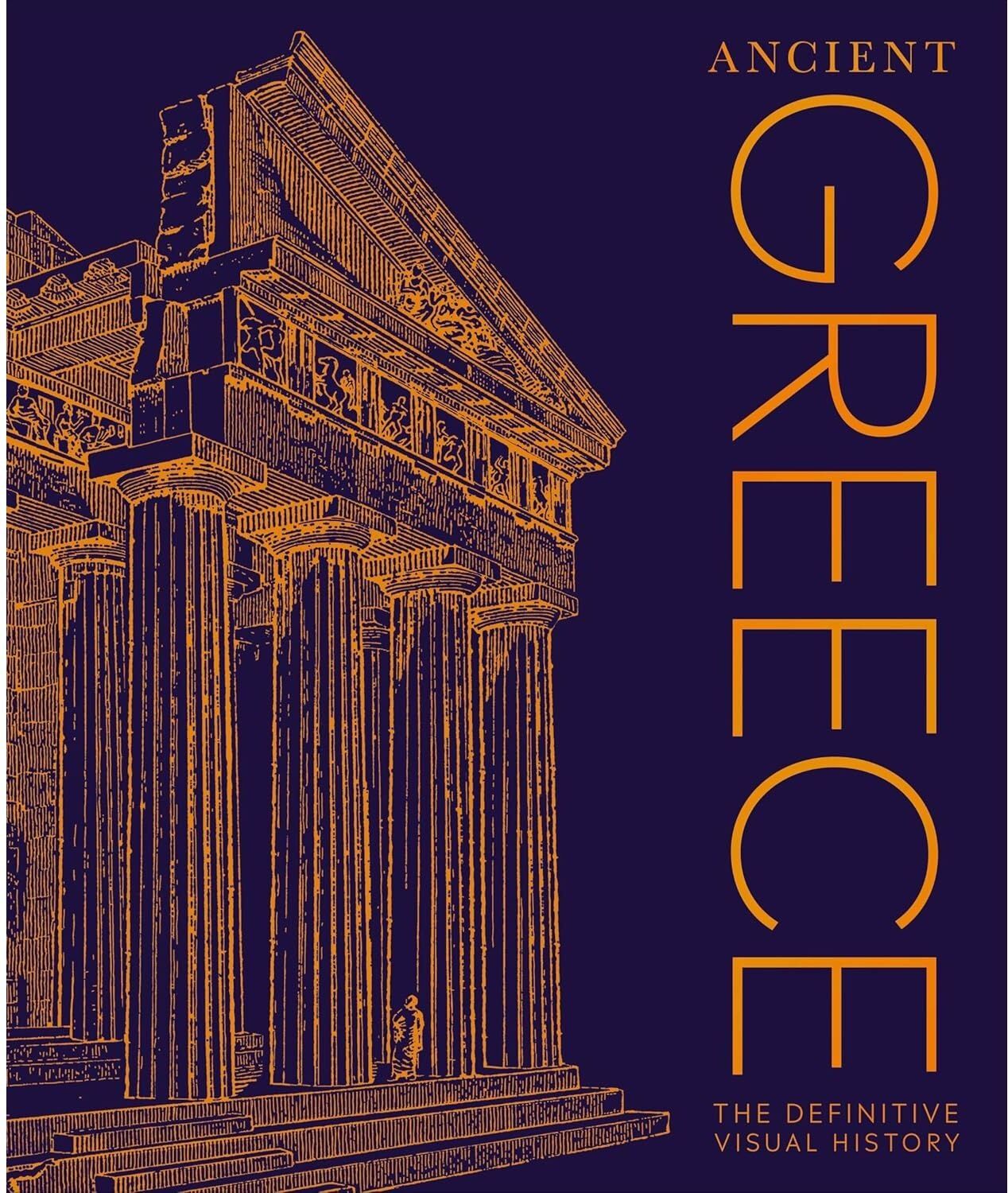
Ancient Greece: The Definitive Visual History (DK Classic History)Embark upon a fascinating journey through ancient Greece – from its rise and fall to its lasting legacy throughout the Western world. Spanning more than 3,000 years, Ancient Greece explores the tumultuous history of this glorious empire in vivid detail – from its Minoan and Mycenaean origins to the apogee of the warring city-states of Athens and Sparta, and from the death of its most charismatic leader, Alexander the Great, to its ultimate defeat by Rome. Sumptuous photography and authoritative, engaging text cover every facet of life in ancient Greece, from art, entertainment, and schools of thought to politics, medicine, and war, while the myths and religious beliefs of the ancient culture are explored and explained in depth. Greece’s military and political power shines through in fascinating maps of its legendary battles. Buried palaces and the Athenian Agora where Plato and Socrates discussed philosophy are brought back to life with stunning CGI artworks. And the stories of everyone from ordinary citizens to lawmakers and the first Olympic athletes are retold through eyewitness accounts and original artefacts.19,99 £*Shipping: 2,99 £Secure redirect to the provider
-
Kidicraft Corgi Cromwell IV 1000 Piece Military History Jigsaw Puzzle - Military HistoryImmerse yourself in military history with the Kidicraft Corgi Cromwell IV 1000 Piece Jigsaw Puzzle. This meticulously crafted puzzle pays tribute to the legendary Cromwell IV tank, a symbol of British military engineering and valor during World War II. Each piece captures the essence of the Cromwell IV tank, featuring its distinctive design, markings, and the spirit of wartime courage. With 1000 pieces to assemble, this puzzle offers a challenge for both beginners and experienced puzzlers. The puzzle is a celebration of the Cromwell IV's historical importance and a great way to learn about this remarkable armored vehicle.9,79 £*Shipping: 3,95 £Secure redirect to the provider
-
How can one present sources in history?
One can present sources in history by clearly identifying and citing the sources used in their research. It is important to provide detailed information about the sources, such as the author, title, publication date, and any relevant context. Additionally, it is essential to evaluate the reliability and credibility of the sources to ensure the accuracy of the information presented. Using a variety of primary and secondary sources can also help provide a well-rounded and comprehensive view of the historical topic being discussed. **
-
What are primary sources in history education?
Primary sources in history education are original documents or artifacts that were created during the time period being studied. These sources provide firsthand accounts or evidence of historical events, and can include letters, diaries, speeches, photographs, newspapers, and government records. By using primary sources, students can engage directly with the past and develop critical thinking skills as they analyze and interpret the material. This allows them to gain a deeper understanding of historical events and the perspectives of people who lived during those times. **
-
How do you deal with sources in history and what types of sources are there?
In history, sources are dealt with by critically evaluating their reliability, credibility, and bias. There are two main types of sources: primary and secondary. Primary sources are firsthand accounts or original documents from the time period being studied, such as letters, diaries, and artifacts. Secondary sources are interpretations or analyses of primary sources, such as history books, articles, and documentaries. It is important to consider the context, perspective, and purpose of each source when using them to construct historical narratives. **
-
What types of sources are there in history?
In history, there are two main types of sources: primary sources and secondary sources. Primary sources are firsthand accounts or evidence from the time period being studied, such as diaries, letters, photographs, and artifacts. Secondary sources are interpretations or analyses of primary sources, such as history books, scholarly articles, and documentaries. Both types of sources are important for understanding and interpreting historical events and periods. **
* All prices are inclusive of VAT and, if applicable, plus shipping costs. The offer information is based on the details provided by the respective shop and is updated through automated processes. Real-time updates do not occur, so deviations can occur in individual cases. ** Note: Parts of this content were created by AI.