Buy pernitz.co.at ?
We are moving the project
pernitz.co.at .
Are you interested in purchasing the domain
pernitz.co.at ?
domain@kv-gmbh.de · 0541-91531010
Buy pernitz.co.at ?
Is a terrarium an ecosystem?
Yes, a terrarium can be considered an ecosystem. It is a self-contained environment where living organisms interact with each other and their surroundings. The plants inside the terrarium produce oxygen through photosynthesis, while the soil and microorganisms help break down organic matter. This creates a balanced ecosystem within the enclosed space. **
What characterizes a stable ecosystem?
A stable ecosystem is characterized by a balance between the various species and their interactions, as well as a consistent flow of energy and nutrients. This balance allows for the ecosystem to maintain its structure and function over time, without experiencing significant disruptions or collapses. Additionally, a stable ecosystem will exhibit resilience in the face of disturbances, as it is able to recover and adapt to changes in its environment. Overall, a stable ecosystem is able to support a diverse array of species and maintain its ecological processes in a sustainable manner. **

Similar search terms for Ecosystem
Top-Angebote
Products related to Ecosystem:
-
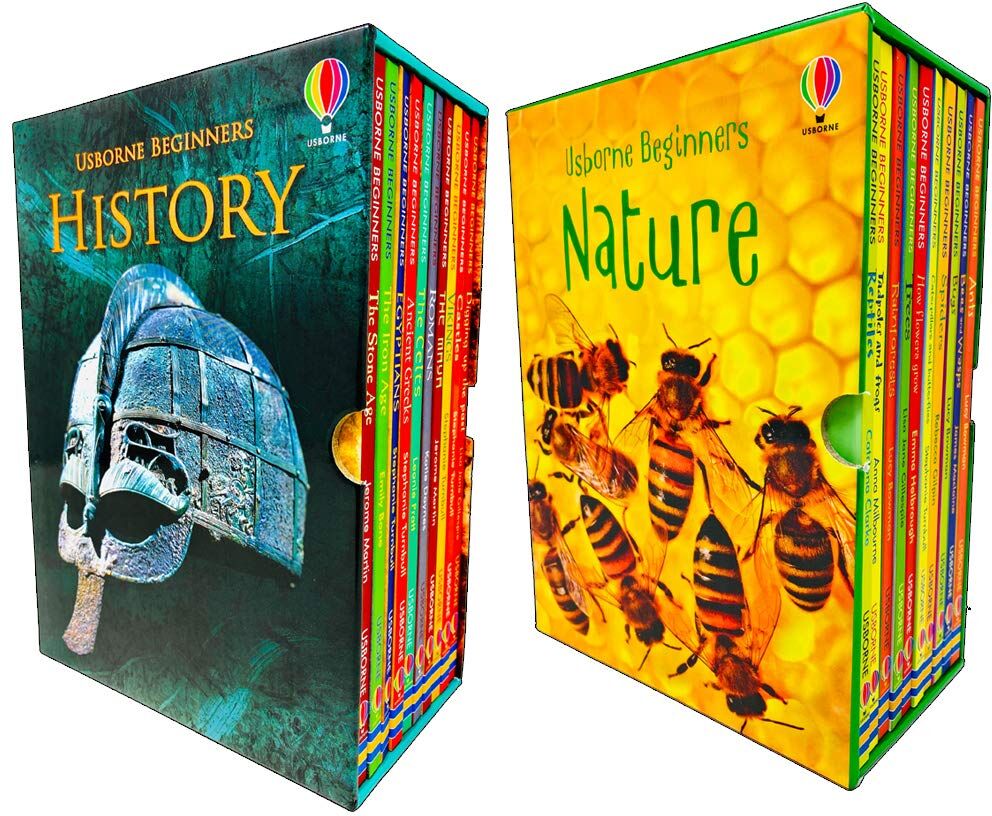
Usborne Publishing Ltd Usborne Beginners History & Usborne Beginners Nature 20 Books Collection Box SetTitles in this set: Usborne Beginners History Stone Age Iron Age Egyptians Ancient Greeks Celts Romans The Maya Vikings Castles Digging Up the Past. Usborne Beginners Nature Reptiles Tadpoles and Frogs Rainforest Trees How Flowers Grow Caterpillars and Butterflies Spiders Bugs Bees & Wasps Ants Description Stone Age This simple information book follows the history of Stone Age people and how they lived. Iron Age This simple information book charts the history of Iron Age people and how they lived, including their farming methods, the gods they prayed to and the hill forts where they lived. Egyptians Who were the ancient Egyptians? Why did they build pyramids and how were mummies made? Ancient Greeks Find out about Ancient Greece, what people wore, ate and did for fun and learn about some of the most famous philosophers and mathematicians of the age in this compelling book for beginner readers. Celts Who were the Celts exactly? Did you know they lived on top of hills? Do you have any idea how Celtic warriors made themselves look really scary in battle? Romans Who were the ancient Romans? Where did they go to eat, shop and wash? What did they do for fun? The Maya Who were the Maya? Where did they live? Why did they build tall stone temples? Vikings Find out what it was like to be a Viking, and learn about Viking homes, feasts, boats, gods and much more in this fascinating book. Castles Who lived in a castle, and what was it like? Children can find out the answers to these questions and lots more about the wonderful world of castles in this informative book. Digging Up the Past How do ancient things get buried? Who digs them up? And what do they find? Beginner readers can find answers to these questions and more in this colourful information book. Reptiles This is a fantastic brand new addition to the "Beginners" series, designed to provide an informative introduction to trees and plant-life for young readers. Tadpoles and Frogs Vivid, full colour illustrations and photographs on every page, accompanied by short, informative text. Rainforest It offers a terrific reading practice for children who prefer fact to fiction. It is developed with a reading expert from Roehampton University to help young readers grow in confidence. Trees This is a fantastic brand new addition to the 'Beginners' series, designed to provide an informative introduction to trees and plant-life for young readers. How Flowers Grow How do flowers grow in dry deserts? How do animals help to spread seeds? Which flower smells like rottng meat? Caterpillars and Butterflies Usborne Beginners are colourful information books for children beginning to read on their own. Spiders Usborne Beginners are colourful information books for children beginning to read on their own. Bugs Usborne Beginners are colourful information books for children beginning to read on their own. Bees & Wasps A slim and unintimidating book which belies its contents - a wealth of information, much of which will be...34,99 £*Shipping: 2,99 £Secure redirect to the provider
-
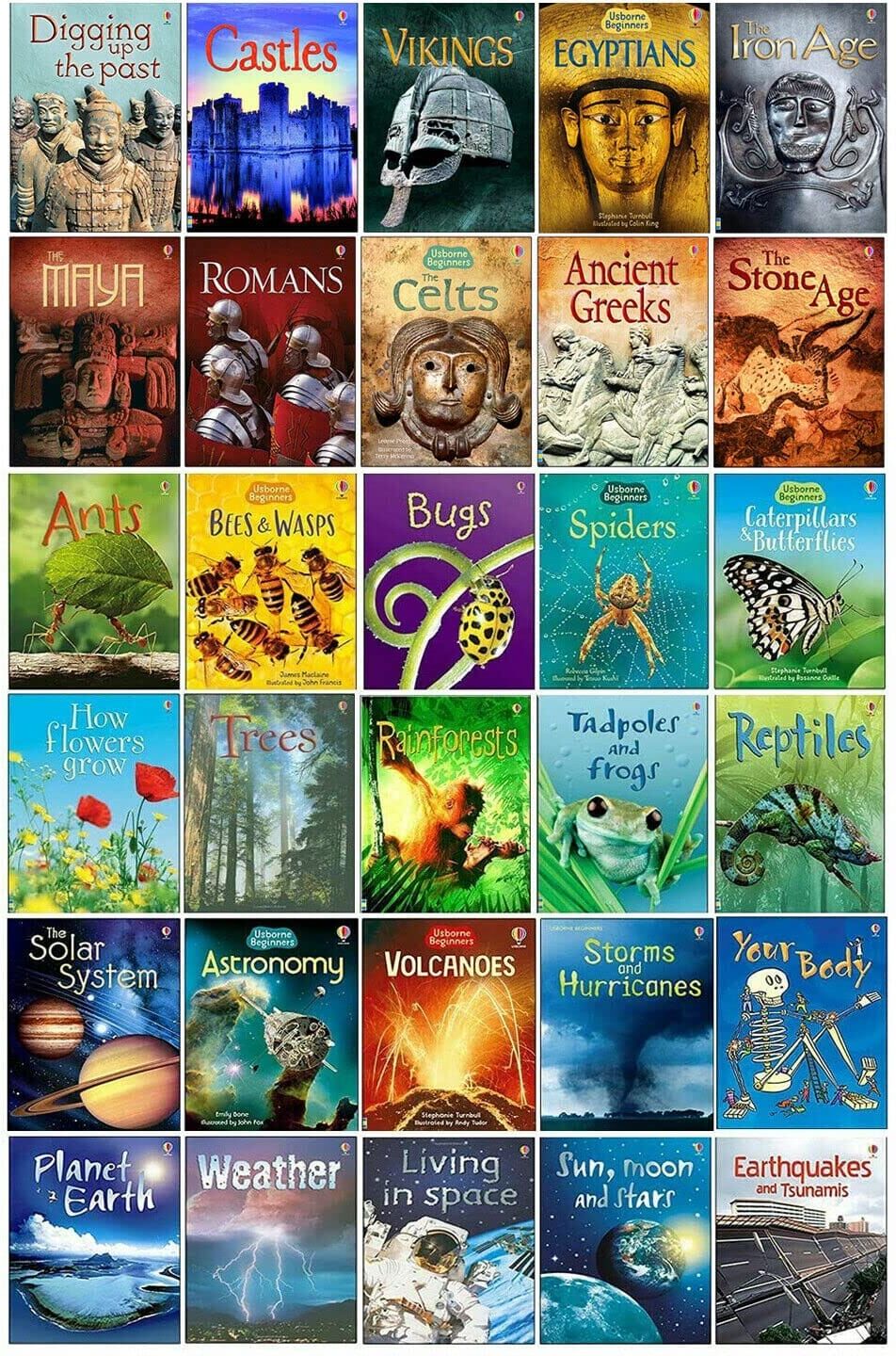
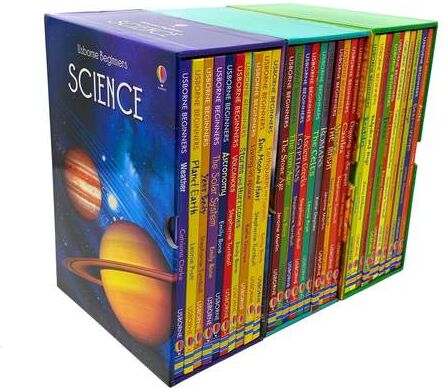
Usborne Beginners Nature, Science & History Collection 30 Books Set - Ages 4-10 - Paperback Usborne Publishing LtdTitles in This Set: Usborne Beginners Nature 10 Books: 1. Ants 2. Bees & Wasps 3. Bugs 4. Spiders 5. Tadpoles and Frogs 6. Caterpillars and Butterflies 7. How Flowers Grow 8. Trees 9. Rainforest 10. Reptiles Usborne Beginners Science 10 Books: 1. Earthquakes & Tsunamis 2. Sun Moon and Stars 3. Living in Space 4. Storms and Hurricanes 5. Volcanoes 6. Astronomy 7. The Solar System 8. Your Body 9. Planet Earth 10. Weather Usborne Beginners History 10 Books: Titles in This Set: 1. Ancient Greeks 2. Castles 3. Celts 4. Digging Up the Past 5. Egyptians 6. Iron Age 7. Maya 8. Romans 9. Stone Age 10. Vikings Description : Usborne Beginners Nature 10 Books Ants Where do ants live? What do they eat? How much weight can they carry? Little children can find out the answers to these questions and much more in this simple introduction to the world of ants. Bees & Wasps What do bees and wasps eat? What type of nests do they make? How do bees make honey? Find out the answers and lots more in this intriguing introduction to the fascinating world of bees and wasps. Bugs ''There are all kinds of different bugs. Some can jump up high. Other bugs have lots of legs.” Bugs is part of an exciting reading series for young children, with lots of pictures and very simple text. Spiders “Spiders have eight legs. Most of them have eight eyes, but some of them can’t see very well.” Learn all about spiders in this great book for children learning to read by themselves. Tadpoles and Frogs From egg to frog, find out about the entire life cycle of a frog in this easy-to-read fully illustrated book for young learners ages 4+. It comes complete with weblinks so you can see the process for yourself. Caterpillars and Butterflies A beautifully illustrated introduction to the life of butterflies and caterpillars, with easy to read text for beginner readers. The life cycle of a butterfly is shown with stunning photographs and illustrations, and there are links to carefully selected websites with videos that show butterflies emerging from their pupae. How Flowers Grow How do flowers grow in dry deserts? How do animals help to spread seeds? Which flower smells like rotting meat? Find out in this great book for young readers ages four and up. Trees How do trees use their leaves to make food? Why do they grow flowers and fruit? Which animals live inside a tree trunk and build nests in its branches? How can we help to protect trees? This book has all the answers and much more, along with photographs, step-by-step illustrations, simple text and links to websites with video clips and activities. Rainforests Learn all about the rainforest in this fantastic easy-to-read book for children 4+ beginning to strike out on their own. From towering trees to rainforest rivers, this fully-illustrated book also features links to carefully selected websites. Reptiles Learn all about the lizard world in this fully-illustrated guide, the latest in the Usborne Beginners series. From scaly skin to tongue tricks...42,75 £*Shipping: 0,00 £Secure redirect to the provider
-
Usborne Beginners Series – 30 Book Collection Box Set Children’s Educational Books (History, Nature & Science) KS1 KS2Usborne Beginners Series 30 Books Collection Box Set (History- Nature- Science) Build a strong foundation in knowledge and reading with the Usborne Beginners Series – 30 Books Collection Box Set, published by Usborne. This comprehensive educational collection introduces children to a wide range of topics across history, science, and nature, using clear language, engaging illustrations, and structured layouts designed for young learners. Perfectly suited for KS1 and KS2 pupils, these books support both curriculum learning and independent reading. From natural disasters and wildlife to historical events and scientific discoveries, the series encourages curiosity, critical thinking, and a love of learning. Description Titles in this set: History Stone Age Iron Age Egyptians Ancient Greeks Celts Romans The Maya Vikings Castles Digging Up the Past Nature Reptiles Tadpoles and Frogs Rainforest Trees How Flowers Grow Caterpillars and Butterflies Spiders Bugs Bees & Wasps Ants Science Earthquakes & Tsunamis Sun Moon and Stars Living in Space Storms and Hurricanes Volcanoes Astronomy The Solar System Your Body Planet Earth Weather Related Tags: Usborne, Usbourne42,75 £*Shipping: 0,00 £Secure redirect to the provider
-
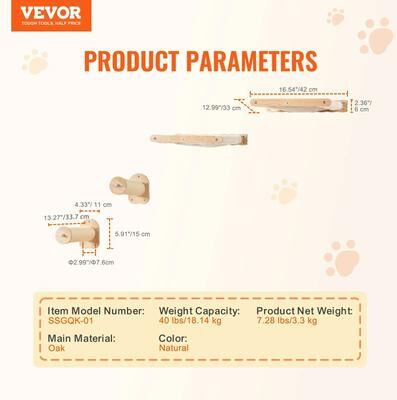
Uplift Essentials Wall Mounted Cat Climbing Jungle Ecosystem 3pcs SetAn indoor lifestyle can occasionally leave highly active cats feeling understimulated, leading to restless afternoon boredom, midnight pacing, or unwanted scratching on household furniture. Naturally expand your companion's vertical territory and...200,97 $*Shipping: 0,00 $Secure redirect to the provider
-
Can an ecosystem be created?
Yes, an ecosystem can be created through a process called ecological restoration. This involves restoring a degraded or damaged ecosystem to its original state or creating a new ecosystem in a previously non-natural area. This can be done by reintroducing native plant and animal species, managing the landscape to promote natural processes, and allowing the ecosystem to develop and function on its own. While it may not be an exact replica of a natural ecosystem, it can still provide important ecological functions and benefits. **
-
What is an interesting ecosystem?
An interesting ecosystem is one that is diverse and dynamic, with a wide variety of species interacting and coexisting in complex ways. It may also have unique adaptations and specialized niches that allow for the survival of specific species. Additionally, an interesting ecosystem may have a delicate balance that is easily disrupted, making it particularly vulnerable to human impact and environmental changes. Overall, an interesting ecosystem is one that provides a rich and intricate web of life to study and appreciate. **
-
What is net ecosystem production?
Net ecosystem production (NEP) is the difference between the total amount of carbon dioxide that is taken up by photosynthesis and the total amount that is released through respiration and decomposition within an ecosystem. It represents the net carbon balance of an ecosystem, indicating whether the ecosystem is a carbon sink (absorbing more carbon than it releases) or a carbon source (releasing more carbon than it absorbs). NEP is an important measure of the overall carbon dynamics and climate impact of an ecosystem. **
-
What is a new smartphone ecosystem?
A new smartphone ecosystem refers to the interconnected network of hardware, software, and services that work together to provide a seamless and integrated user experience on a smartphone. This includes the operating system, app store, cloud services, and other digital platforms that support the functionality and connectivity of the device. A new smartphone ecosystem may also involve partnerships with third-party developers, content providers, and other technology companies to expand the range of features and capabilities available to users. Overall, a new smartphone ecosystem aims to create a cohesive and user-friendly environment that enhances the overall value and utility of the smartphone for consumers. **
What has disappeared from the ecosystem?
Many species have disappeared from ecosystems due to factors such as habitat destruction, pollution, climate change, and overexploitation. This loss of biodiversity has had significant impacts on ecosystem functioning and stability. For example, the disappearance of certain pollinators can lead to reduced plant reproduction, while the loss of top predators can disrupt food webs and lead to overpopulation of certain species. Overall, the disappearance of species from ecosystems has led to imbalances and disruptions that have negative consequences for the health and sustainability of these ecosystems. **
How do you characterize an ecosystem?
An ecosystem can be characterized as a community of living organisms, such as plants, animals, and microorganisms, interacting with each other and their physical environment. It includes both biotic (living) and abiotic (non-living) components, such as soil, water, and climate. Ecosystems can vary in size and complexity, from a small pond to a vast tropical rainforest. They are dynamic and constantly changing, with energy and nutrients flowing through the system, and are often interconnected with other ecosystems. **
Top-Angebote
Products related to Ecosystem:
-
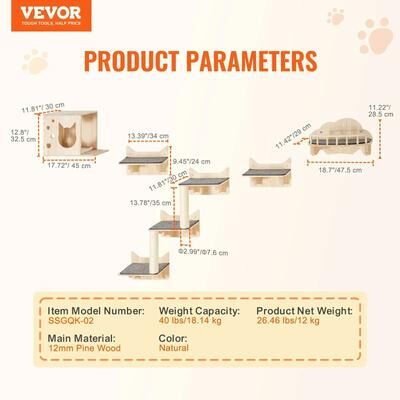
Uplift Essentials Wall Mounted Cat Climbing Jungle Ecosystem 7pcs SetAn indoor lifestyle can occasionally leave highly active cats feeling understimulated, leading to restless afternoon boredom, midnight pacing, or unwanted scratching on household furniture. Naturally expand your companion's vertical territory and...368,97 $*Shipping: 0,00 $Secure redirect to the provider
-
Uplift Essentials Smart App Automated Pet Feeder & Hydration Ecosystem fountainLeaving your pets home alone during a long workday or weekend trip can lead to extreme stress, overeating, or accidental dehydration if their bowls run empty. Standard pet dishes can also collect dust and breed bacteria. Take complete command of...125,97 $*Shipping: 0,00 $Secure redirect to the provider
-
Usborne Publishing Ltd Usborne Beginners History & Usborne Beginners Nature 20 Books Collection Box SetTitles in this set: Usborne Beginners History Stone Age Iron Age Egyptians Ancient Greeks Celts Romans The Maya Vikings Castles Digging Up the Past. Usborne Beginners Nature Reptiles Tadpoles and Frogs Rainforest Trees How Flowers Grow Caterpillars and Butterflies Spiders Bugs Bees & Wasps Ants Description Stone Age This simple information book follows the history of Stone Age people and how they lived. Iron Age This simple information book charts the history of Iron Age people and how they lived, including their farming methods, the gods they prayed to and the hill forts where they lived. Egyptians Who were the ancient Egyptians? Why did they build pyramids and how were mummies made? Ancient Greeks Find out about Ancient Greece, what people wore, ate and did for fun and learn about some of the most famous philosophers and mathematicians of the age in this compelling book for beginner readers. Celts Who were the Celts exactly? Did you know they lived on top of hills? Do you have any idea how Celtic warriors made themselves look really scary in battle? Romans Who were the ancient Romans? Where did they go to eat, shop and wash? What did they do for fun? The Maya Who were the Maya? Where did they live? Why did they build tall stone temples? Vikings Find out what it was like to be a Viking, and learn about Viking homes, feasts, boats, gods and much more in this fascinating book. Castles Who lived in a castle, and what was it like? Children can find out the answers to these questions and lots more about the wonderful world of castles in this informative book. Digging Up the Past How do ancient things get buried? Who digs them up? And what do they find? Beginner readers can find answers to these questions and more in this colourful information book. Reptiles This is a fantastic brand new addition to the "Beginners" series, designed to provide an informative introduction to trees and plant-life for young readers. Tadpoles and Frogs Vivid, full colour illustrations and photographs on every page, accompanied by short, informative text. Rainforest It offers a terrific reading practice for children who prefer fact to fiction. It is developed with a reading expert from Roehampton University to help young readers grow in confidence. Trees This is a fantastic brand new addition to the 'Beginners' series, designed to provide an informative introduction to trees and plant-life for young readers. How Flowers Grow How do flowers grow in dry deserts? How do animals help to spread seeds? Which flower smells like rottng meat? Caterpillars and Butterflies Usborne Beginners are colourful information books for children beginning to read on their own. Spiders Usborne Beginners are colourful information books for children beginning to read on their own. Bugs Usborne Beginners are colourful information books for children beginning to read on their own. Bees & Wasps A slim and unintimidating book which belies its contents - a wealth of information, much of which will be...34,99 £*Shipping: 2,99 £Secure redirect to the provider
-
Usborne Beginners Nature, Science & History Collection 30 Books Set - Ages 4-10 - Paperback Usborne Publishing LtdTitles in This Set: Usborne Beginners Nature 10 Books: 1. Ants 2. Bees & Wasps 3. Bugs 4. Spiders 5. Tadpoles and Frogs 6. Caterpillars and Butterflies 7. How Flowers Grow 8. Trees 9. Rainforest 10. Reptiles Usborne Beginners Science 10 Books: 1. Earthquakes & Tsunamis 2. Sun Moon and Stars 3. Living in Space 4. Storms and Hurricanes 5. Volcanoes 6. Astronomy 7. The Solar System 8. Your Body 9. Planet Earth 10. Weather Usborne Beginners History 10 Books: Titles in This Set: 1. Ancient Greeks 2. Castles 3. Celts 4. Digging Up the Past 5. Egyptians 6. Iron Age 7. Maya 8. Romans 9. Stone Age 10. Vikings Description : Usborne Beginners Nature 10 Books Ants Where do ants live? What do they eat? How much weight can they carry? Little children can find out the answers to these questions and much more in this simple introduction to the world of ants. Bees & Wasps What do bees and wasps eat? What type of nests do they make? How do bees make honey? Find out the answers and lots more in this intriguing introduction to the fascinating world of bees and wasps. Bugs ''There are all kinds of different bugs. Some can jump up high. Other bugs have lots of legs.” Bugs is part of an exciting reading series for young children, with lots of pictures and very simple text. Spiders “Spiders have eight legs. Most of them have eight eyes, but some of them can’t see very well.” Learn all about spiders in this great book for children learning to read by themselves. Tadpoles and Frogs From egg to frog, find out about the entire life cycle of a frog in this easy-to-read fully illustrated book for young learners ages 4+. It comes complete with weblinks so you can see the process for yourself. Caterpillars and Butterflies A beautifully illustrated introduction to the life of butterflies and caterpillars, with easy to read text for beginner readers. The life cycle of a butterfly is shown with stunning photographs and illustrations, and there are links to carefully selected websites with videos that show butterflies emerging from their pupae. How Flowers Grow How do flowers grow in dry deserts? How do animals help to spread seeds? Which flower smells like rotting meat? Find out in this great book for young readers ages four and up. Trees How do trees use their leaves to make food? Why do they grow flowers and fruit? Which animals live inside a tree trunk and build nests in its branches? How can we help to protect trees? This book has all the answers and much more, along with photographs, step-by-step illustrations, simple text and links to websites with video clips and activities. Rainforests Learn all about the rainforest in this fantastic easy-to-read book for children 4+ beginning to strike out on their own. From towering trees to rainforest rivers, this fully-illustrated book also features links to carefully selected websites. Reptiles Learn all about the lizard world in this fully-illustrated guide, the latest in the Usborne Beginners series. From scaly skin to tongue tricks...42,75 £*Shipping: 0,00 £Secure redirect to the provider
-
Is a terrarium an ecosystem?
Yes, a terrarium can be considered an ecosystem. It is a self-contained environment where living organisms interact with each other and their surroundings. The plants inside the terrarium produce oxygen through photosynthesis, while the soil and microorganisms help break down organic matter. This creates a balanced ecosystem within the enclosed space. **
-
What characterizes a stable ecosystem?
A stable ecosystem is characterized by a balance between the various species and their interactions, as well as a consistent flow of energy and nutrients. This balance allows for the ecosystem to maintain its structure and function over time, without experiencing significant disruptions or collapses. Additionally, a stable ecosystem will exhibit resilience in the face of disturbances, as it is able to recover and adapt to changes in its environment. Overall, a stable ecosystem is able to support a diverse array of species and maintain its ecological processes in a sustainable manner. **
-
Can an ecosystem be created?
Yes, an ecosystem can be created through a process called ecological restoration. This involves restoring a degraded or damaged ecosystem to its original state or creating a new ecosystem in a previously non-natural area. This can be done by reintroducing native plant and animal species, managing the landscape to promote natural processes, and allowing the ecosystem to develop and function on its own. While it may not be an exact replica of a natural ecosystem, it can still provide important ecological functions and benefits. **
-
What is an interesting ecosystem?
An interesting ecosystem is one that is diverse and dynamic, with a wide variety of species interacting and coexisting in complex ways. It may also have unique adaptations and specialized niches that allow for the survival of specific species. Additionally, an interesting ecosystem may have a delicate balance that is easily disrupted, making it particularly vulnerable to human impact and environmental changes. Overall, an interesting ecosystem is one that provides a rich and intricate web of life to study and appreciate. **
Similar search terms for Ecosystem
-
Usborne Beginners Series – 30 Book Collection Box Set Children’s Educational Books (History, Nature & Science) KS1 KS2Usborne Beginners Series 30 Books Collection Box Set (History- Nature- Science) Build a strong foundation in knowledge and reading with the Usborne Beginners Series – 30 Books Collection Box Set, published by Usborne. This comprehensive educational collection introduces children to a wide range of topics across history, science, and nature, using clear language, engaging illustrations, and structured layouts designed for young learners. Perfectly suited for KS1 and KS2 pupils, these books support both curriculum learning and independent reading. From natural disasters and wildlife to historical events and scientific discoveries, the series encourages curiosity, critical thinking, and a love of learning. Description Titles in this set: History Stone Age Iron Age Egyptians Ancient Greeks Celts Romans The Maya Vikings Castles Digging Up the Past Nature Reptiles Tadpoles and Frogs Rainforest Trees How Flowers Grow Caterpillars and Butterflies Spiders Bugs Bees & Wasps Ants Science Earthquakes & Tsunamis Sun Moon and Stars Living in Space Storms and Hurricanes Volcanoes Astronomy The Solar System Your Body Planet Earth Weather Related Tags: Usborne, Usbourne42,75 £*Shipping: 0,00 £Secure redirect to the provider
-
Uplift Essentials Wall Mounted Cat Climbing Jungle Ecosystem 3pcs SetAn indoor lifestyle can occasionally leave highly active cats feeling understimulated, leading to restless afternoon boredom, midnight pacing, or unwanted scratching on household furniture. Naturally expand your companion's vertical territory and...200,97 $*Shipping: 0,00 $Secure redirect to the provider
-
Uplift Essentials Wall Mounted Cat Climbing Jungle Ecosystem 5pcs SetAn indoor lifestyle can occasionally leave highly active cats feeling understimulated, leading to restless afternoon boredom, midnight pacing, or unwanted scratching on household furniture. Naturally expand your companion's vertical territory and...378,97 $*Shipping: 0,00 $Secure redirect to the provider
-
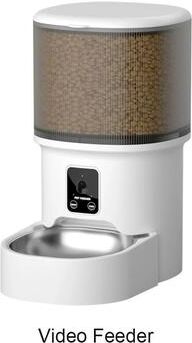
Uplift Essentials Smart App Automated Pet Feeder & Hydration Ecosystem video FeederLeaving your pets home alone during a long workday or weekend trip can lead to extreme stress, overeating, or accidental dehydration if their bowls run empty. Standard pet dishes can also collect dust and breed bacteria. Take complete command of...153,97 $*Shipping: 0,00 $Secure redirect to the provider
-
What is net ecosystem production?
Net ecosystem production (NEP) is the difference between the total amount of carbon dioxide that is taken up by photosynthesis and the total amount that is released through respiration and decomposition within an ecosystem. It represents the net carbon balance of an ecosystem, indicating whether the ecosystem is a carbon sink (absorbing more carbon than it releases) or a carbon source (releasing more carbon than it absorbs). NEP is an important measure of the overall carbon dynamics and climate impact of an ecosystem. **
-
What is a new smartphone ecosystem?
A new smartphone ecosystem refers to the interconnected network of hardware, software, and services that work together to provide a seamless and integrated user experience on a smartphone. This includes the operating system, app store, cloud services, and other digital platforms that support the functionality and connectivity of the device. A new smartphone ecosystem may also involve partnerships with third-party developers, content providers, and other technology companies to expand the range of features and capabilities available to users. Overall, a new smartphone ecosystem aims to create a cohesive and user-friendly environment that enhances the overall value and utility of the smartphone for consumers. **
-
What has disappeared from the ecosystem?
Many species have disappeared from ecosystems due to factors such as habitat destruction, pollution, climate change, and overexploitation. This loss of biodiversity has had significant impacts on ecosystem functioning and stability. For example, the disappearance of certain pollinators can lead to reduced plant reproduction, while the loss of top predators can disrupt food webs and lead to overpopulation of certain species. Overall, the disappearance of species from ecosystems has led to imbalances and disruptions that have negative consequences for the health and sustainability of these ecosystems. **
-
How do you characterize an ecosystem?
An ecosystem can be characterized as a community of living organisms, such as plants, animals, and microorganisms, interacting with each other and their physical environment. It includes both biotic (living) and abiotic (non-living) components, such as soil, water, and climate. Ecosystems can vary in size and complexity, from a small pond to a vast tropical rainforest. They are dynamic and constantly changing, with energy and nutrients flowing through the system, and are often interconnected with other ecosystems. **
* All prices are inclusive of VAT and, if applicable, plus shipping costs. The offer information is based on the details provided by the respective shop and is updated through automated processes. Real-time updates do not occur, so deviations can occur in individual cases. ** Note: Parts of this content were created by AI.